Chemical Degradation
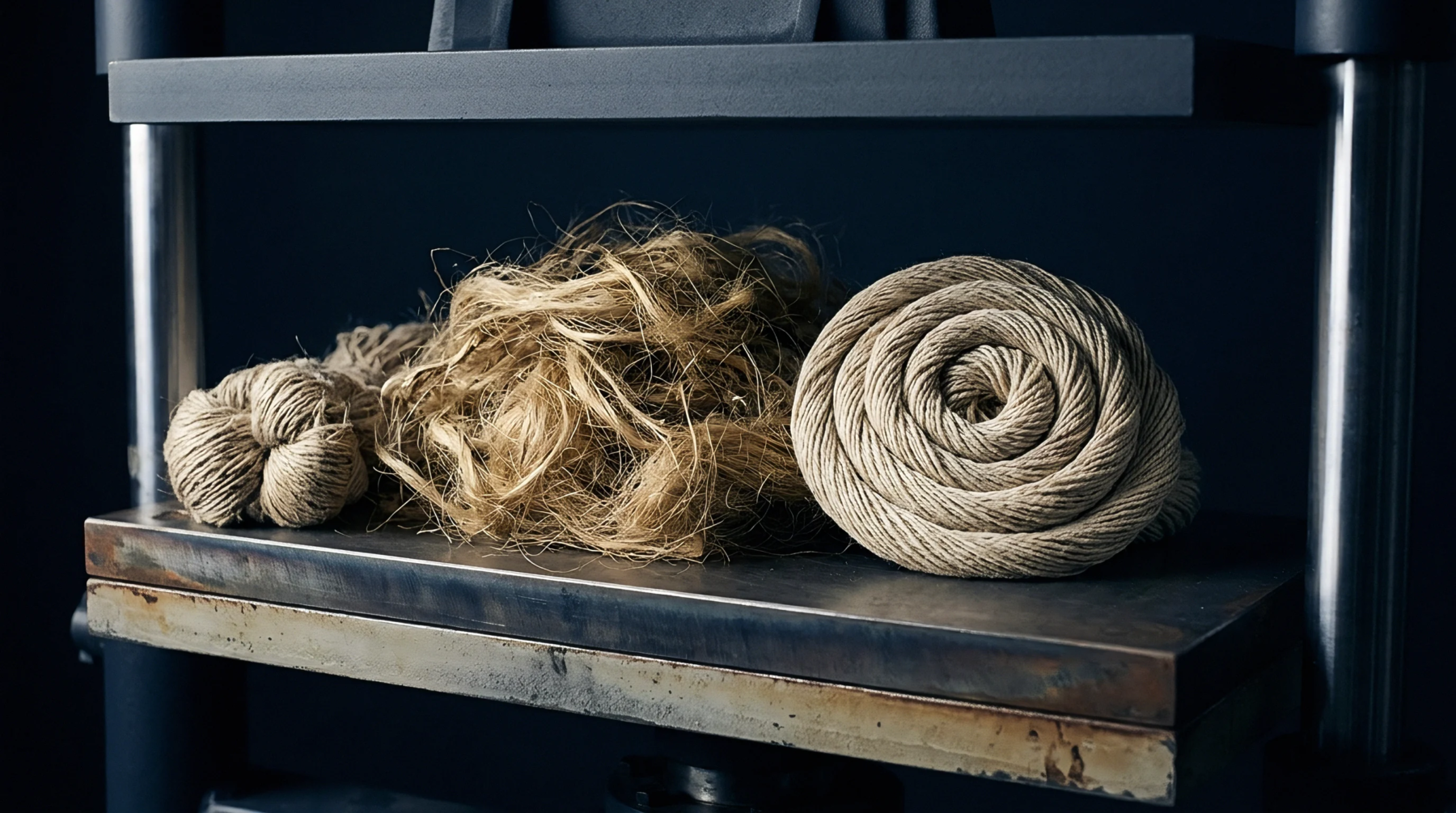
Pectin extraction from flax stems involves the enzymatic or chemical breakdown of intercellular adhesives between individual plant cells. Middle lamella dissolution describes the selective removal of these pectic polysaccharides that bind adjacent bast fibre cells into bundles. Removing this cement layer allows for the subsequent mechanical separation of technical fibres required for spinning high quality linen yarns.
Separation efficiency depends upon maintaining cell wall integrity while eliminating the cementing matrix.
Processing Impact
Technical operators manage this phase during the retting of raw flax stalks to ensure fibre bundles release without damaging the structural cellulose. Insufficient treatment leaves behind rigid clumps that hinder drafting machines during primary processing stages. Excessive exposure leads to over-retted material where weakening of the fibre walls reduces tensile strength and increases breakage rates during weaving.
Quality control laboratories monitor these shifts by measuring residual pectic content against established production benchmarks. Buyers verify adherence to these standards through microscopic analysis of representative fibre samples.
Economic Consequence
Exported linen lots derive their market value from the precise attainment of separation targets that follow successful middle lamella dissolution. Fibre lots exhibiting structural damage fail to meet the rigorous specifications required for fine gauge spinning and suffer significant price discounts as a result. Consistent chemical control across the entire retting cycle minimizes waste and ensures that final fabric output meets the physical requirements of global textile importers.
Production yields are directly linked to the success of this delicate transition between raw stalk and usable industrial fibre.