Mass Sensitivity
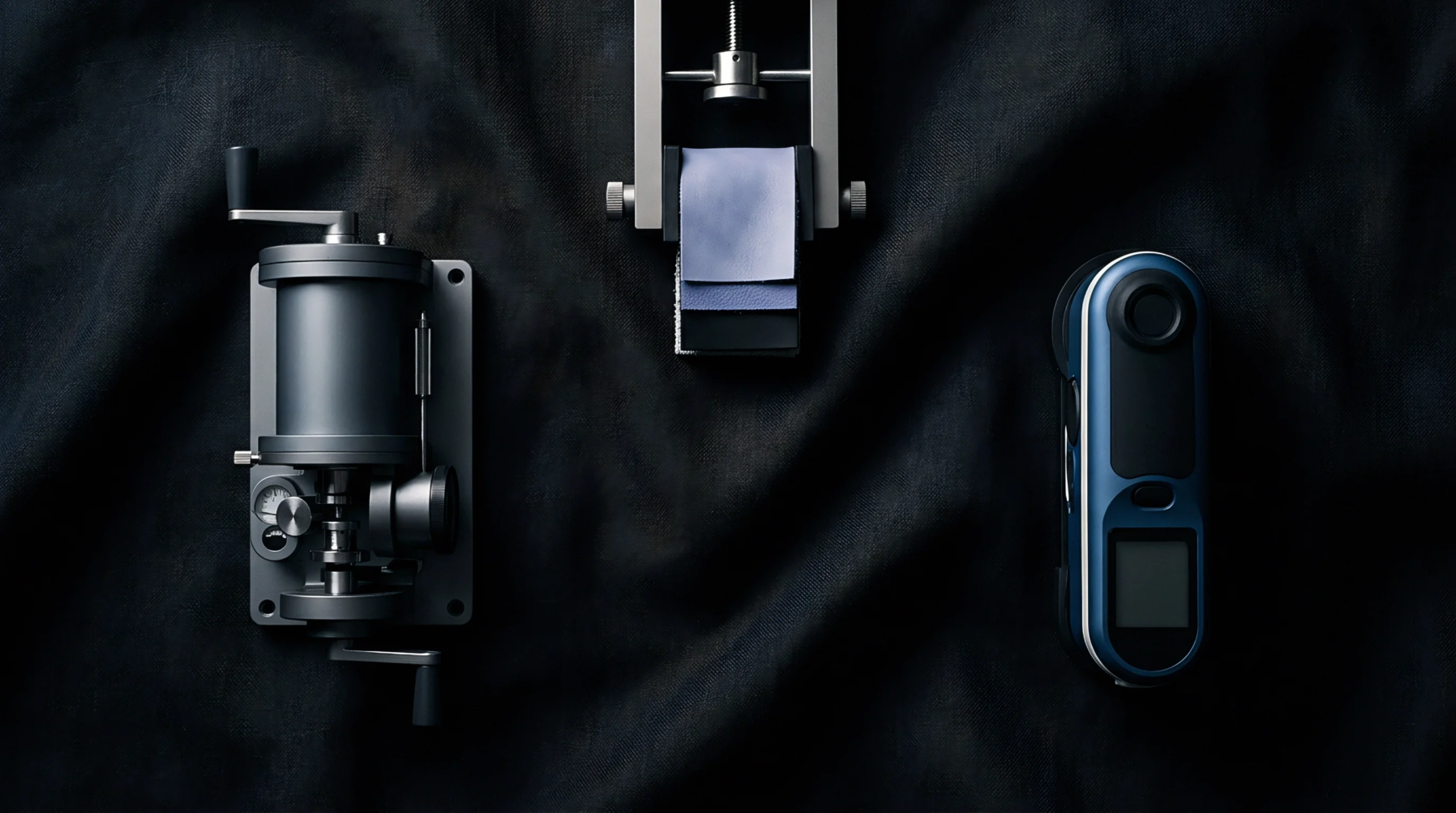
An analytical device provides high-resolution data on mass fluctuations within a closed chamber to verify the moisture content or residue levels of processed flax fibres during the drying stage. A micro-balance detects mass changes down to the microgram level, which allows quality controllers to determine when a batch reaches the precise weight required for storage or further mechanical processing. This equipment operates by suspending a fibre sample inside an airtight furnace enclosure where heat removes excess hydration.
The sensor calculates the weight loss over a set period to quantify the precise evaporation rate. Technicians rely on these values to adjust the heat output of the drying tunnel. Accurate dry weight measurements prevent degradation of the natural polymers found in long-line flax, as excessive thermal exposure ruins the flexibility of the raw material.
Calibrated Accuracy
Precise monitoring ensures that every batch meets the moisture requirements specified in the technical file for export quality linens. If a batch contains more hydration than the established limit, the weight readings demonstrate a failure to meet the buyer’s acceptance criteria for dry weight. Operators adjust the temperature cycles to correct these deviations before the fibres proceed to the carding stage.
Each reading provides a trace of the drying history for individual lots, ensuring that the factory maintains consistent standards across varied production cycles. Proper drying preserves the structural integrity of the fibre bundles while preventing fungal growth during long-term shipment in sealed containers. Measurement protocols differ between raw fibre grades intended for spinning and finished fabric pieces tested for finishing chemical retention.
The device remains the primary tool for verifying compliance with international dry mass standards, as other methods lack the necessary precision to capture minor fluctuations in volatile organic compounds or residual moisture.
Operational Range
Internal components of the device require periodic adjustment to prevent drift when environmental conditions inside the mill fluctuate. High humidity levels in the surrounding air occasionally interfere with the delicate sensors unless the enclosure stays pressurized. Maintaining a stable temperature around the housing preserves the longevity of the instrument and reduces the frequency of recalibration.
Proper weight verification reduces waste during the final spinning phase.