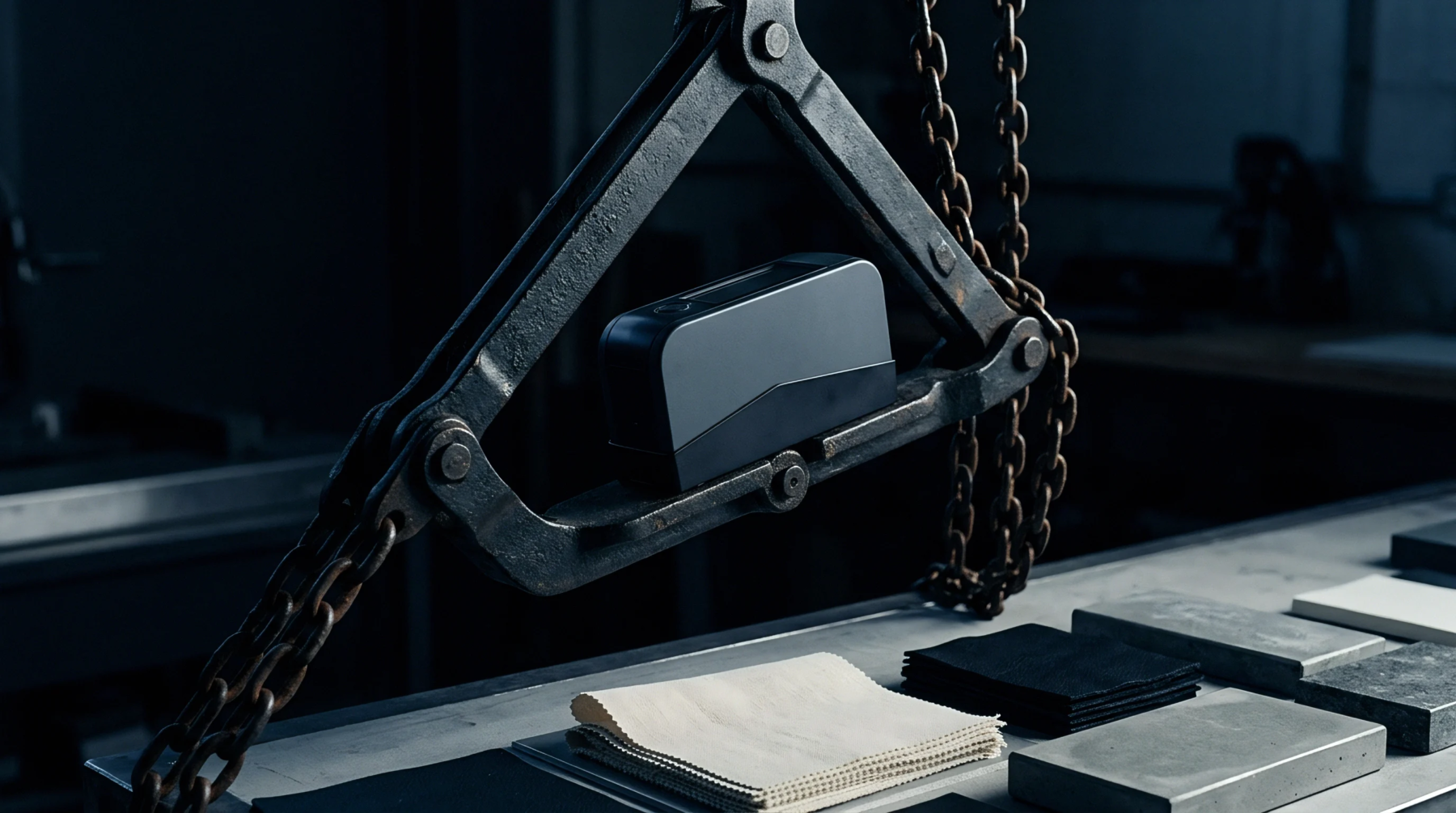
Loom Limit
Hard physical obstructions prevent the carriage or reed from traveling beyond a calibrated point during the assembly of linen textiles. A mechanical stop functions as an immutable barrier to maintain the consistency of warp tension and shed geometry. It fixes the spatial boundary for moving parts by converting kinetic energy into a sudden cessation of motion.
Engineers place these components at the extreme ends of the batten stroke to protect the reed from hitting the cloth fell with excessive force.
Motion Regulation
Constant contact with the frame ensures that repetitive industrial cycles remain within tolerances defined for specific yarn counts. Precision adjustments of this hardware minimize the risk of broken flax fibers caused by inconsistent beat up. The device locks into position using threaded fasteners or keyed slots that resist the vibration inherent in high speed production lines.
Maintaining the integrity of the stop prevents irregular cloth density that would otherwise degrade the quality grade of a finished batch.
Constraint Geometry
Designers select hardened steel alloys for these parts because the impact frequency exceeds millions of cycles annually in a standard weaving facility. Surface wear on the contact face indicates a need for recalibration or component replacement during routine maintenance intervals. A worn barrier allows the batten to travel further than the required distance, creating variations in pick spacing that manifest as visual defects in the linen surface.
Proper alignment of the assembly determines the accuracy of the entire textile structure.