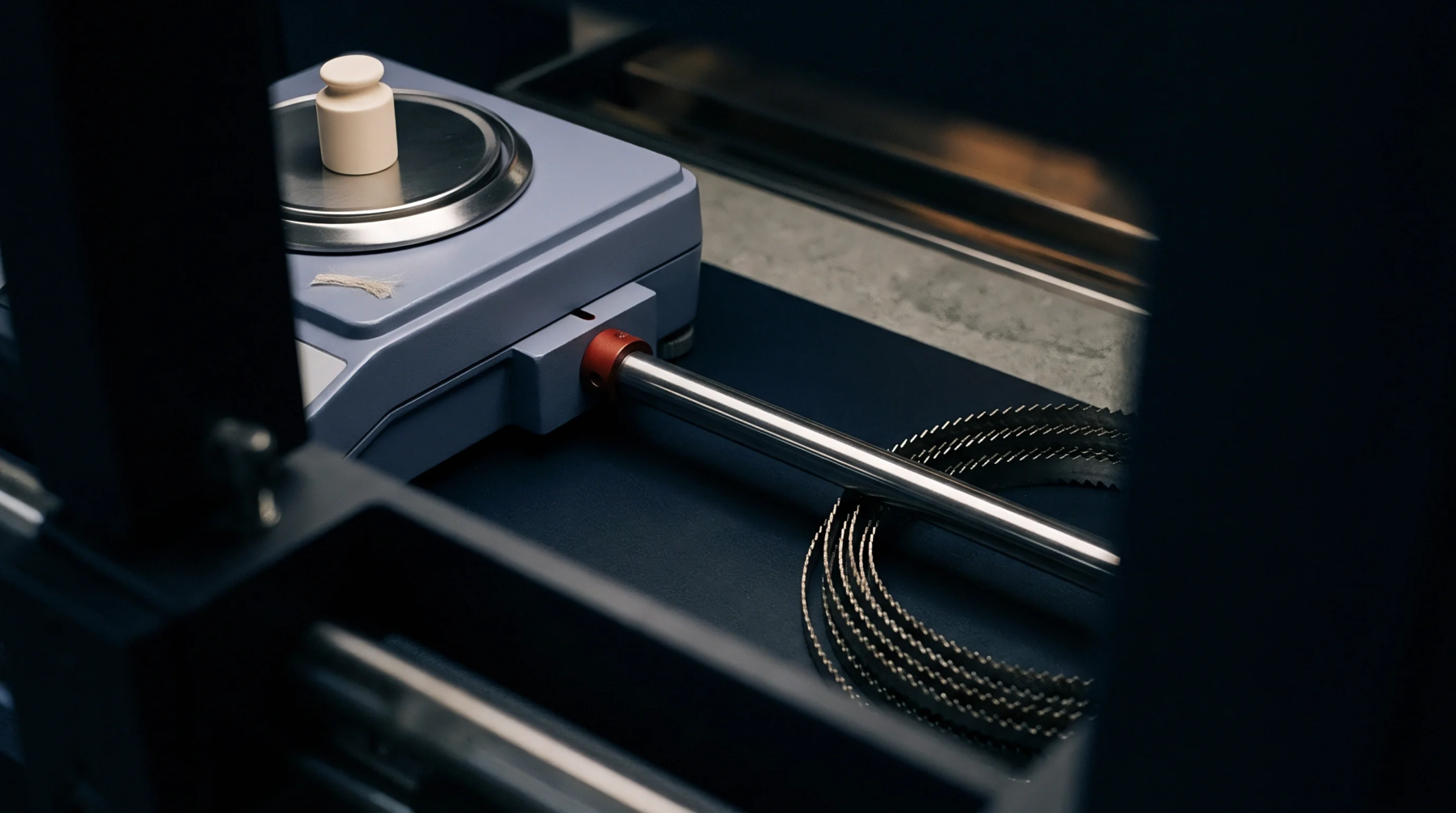
Linear Density
The physical property of yarn or fabric that expresses its weight over a standard unit of length determines the thickness, hand, and commercial classification of a textile product. Measuring the mass per linear metre of a manufactured fabric allows flax mills to monitor whether the interlacing density and yarn weights comply with design parameters. This value is determined by weighing a full-width roll of fabric of a measured length and then dividing the weight by that length.
It is the primary measurement used to describe the weight of linen fabrics in commercial transactions, separating lightweight apparel fabrics from heavy home textiles.
Fabric Grading
Ensuring consistency in the mass per linear metre is a critical task during the manufacturing and finishing stages of linen production. Variations in this weight can lead to fabric rejection by garment manufacturers who require uniform thickness for automated cutting and sewing. Finishing processes such as calendering and washing can modify the fabric length, which consequently alters this linear mass.
Quality Control
Linen mills record this parameter in the final shipment documentation to guarantee that the fabric meets the specified requirements. Comparing the actual mass per linear metre with the buyer’s tolerance limits prevents shipping defective rolls. This verification step is a staple of mill-level quality assurance.