Production Throughput
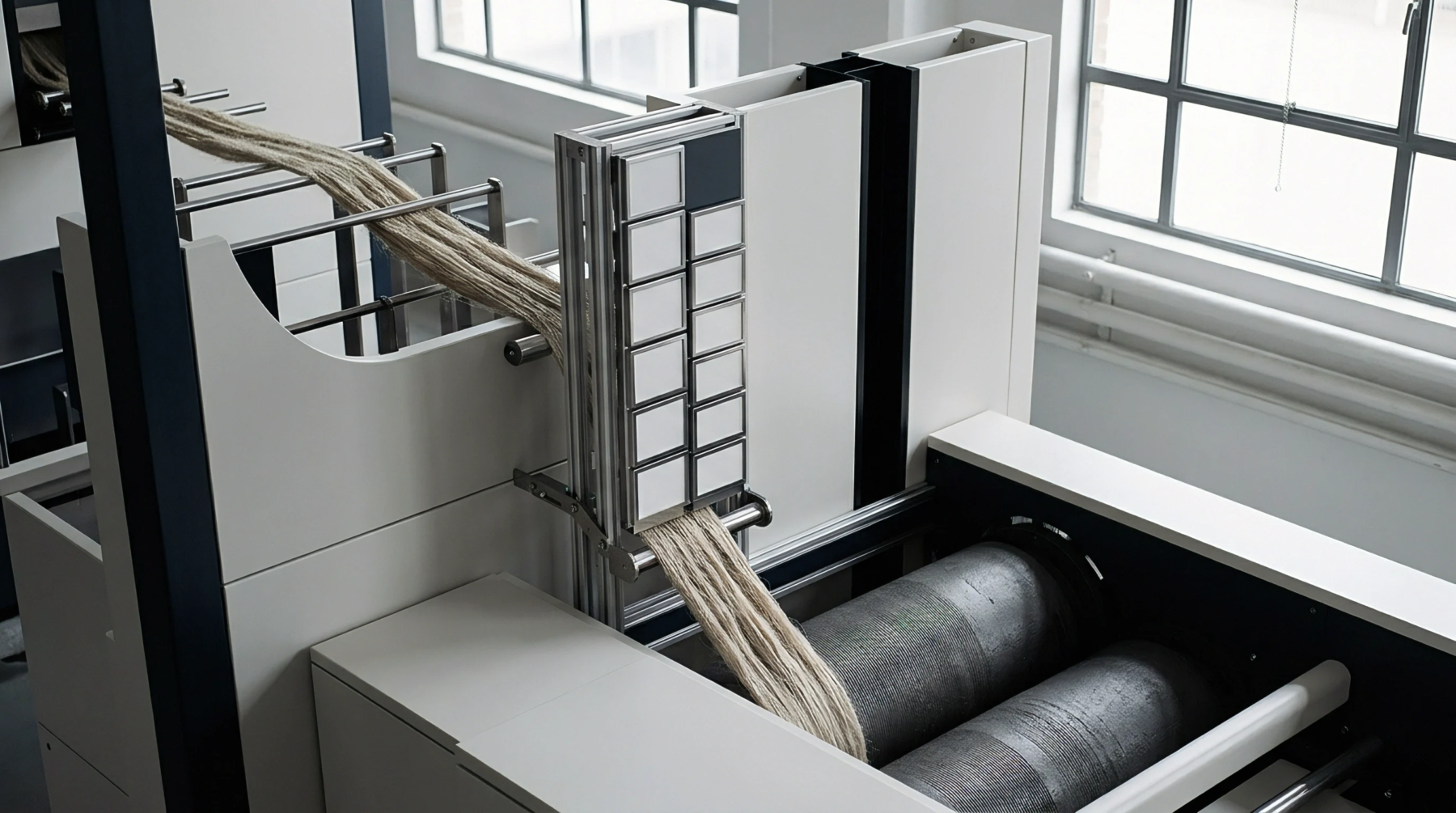
Sensor data from weaving machines tracks the exact number of picks per minute and verifies mechanical cycles against pre-set performance thresholds. Loom telemetry aggregates these high-frequency signals to identify deviation from optimal cloth tension during the shedding motion. Precise timing of the shuttle or rapier transit determines the integrity of the selvedge and the consistency of the pick density across the entire width of the fabric.
Deviations observed here correlate directly with potential defects in the finished linen rolls.
Hardware Connectivity
Ethernet cables link individual controllers to a centralized diagnostic server that logs error codes alongside machine vibration metrics. Loom telemetry functions by mapping these voltages against established hardware life cycles to predict component fatigue before breakage occurs. Maintenance technicians monitor these digital feeds to schedule greasing intervals or replace worn bushings without halting the entire floor production.
Stalling prevents the accumulation of downtime because replacements happen during planned shift gaps.
Data Verification
Batch logs from the finishing stage cross-reference these machine performance records to ensure the yarn integrity remained within tolerance throughout the conversion process. Loom telemetry provides the audit trail required when buyers perform laboratory testing on finished linen to check for warp streaks or uneven weight distribution. Discrepancies between the predicted pick count from the diagnostic stream and the actual count measured on the finished bolt trigger an investigation into machine calibration settings.
This secondary validation cycle confirms the reliability of the production data.