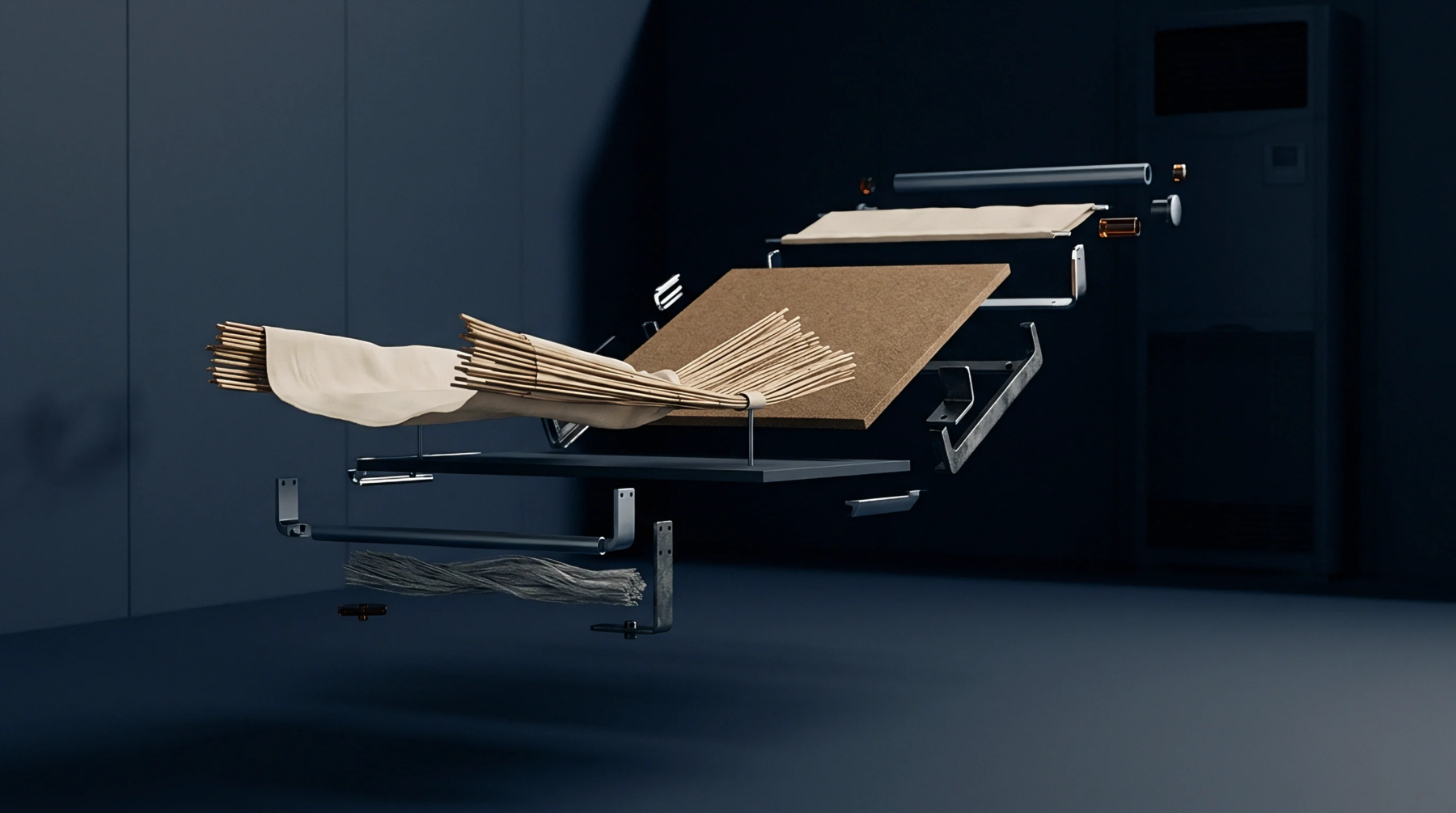
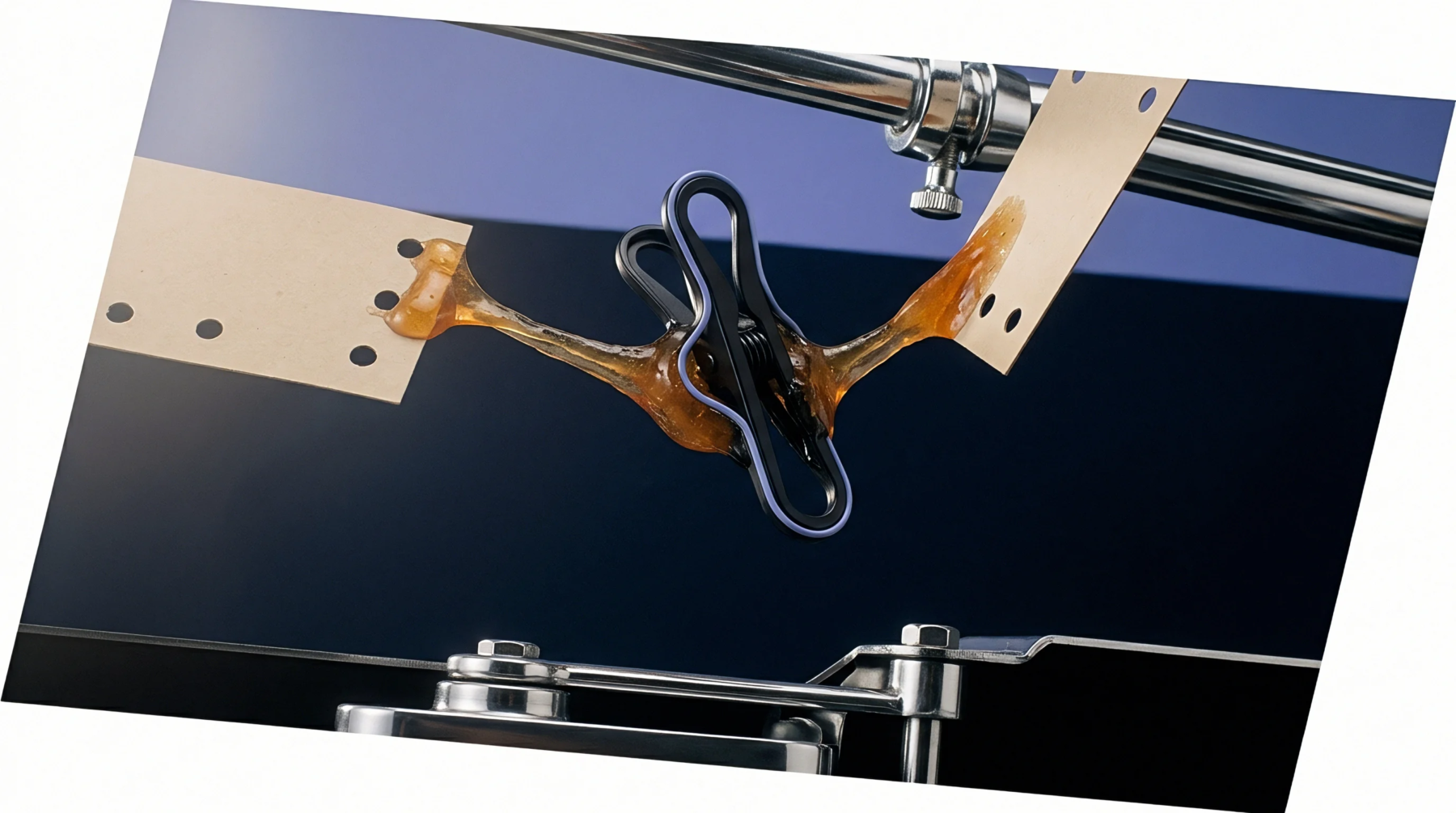
Warp Shrinkage
Linen production in Chinese mills relies upon strict baseline controls during finishing to ensure that ISO 5077 dimensional change remains within acceptable limits before bolts leave the warehouse. Flax fibre grades undergo sorting for natural elasticity, while finished fabric grades face rigorous tension tests. The mill inspection sheet records these measurements against the strict acceptance criteria set by the export buyer rather than relying on internal factory tolerances.
Residual stress from wet spinning and mechanical drying creates a high potential for relaxation when the cloth hits water. Workers measure square samples before and after a standard aqueous wash cycle to calculate area loss. Temperature variation during the drying tunnel directly affects the severity of warp contraction.
Finishing Protocol
Operators adjust the stentering frames to counteract residual yarn tension during the final heat setting stage. Steam boxes soften the cellulose structure before mechanical overfeeding forces the warp threads into a relaxed state. Tension sensors mounted on the rollers regulate torque to prevent excessive stretching during winding.
Exceeding speed limits during bleaching damages the pectin layers binding the individual bast fibres together, which subsequently increases the risk of unpredictable shrinkage during garment laundering. Laboratory technicians audit randomly selected bolts from every commercial batch to verify consistency across different looms.
Buyer Tolerance
Export contracts demand strict adherence to agreed maximum limits for both warp and filling movement. Garment manufacturers reject fabric rolls that exceed the specified percentage because erratic shrinkage ruins automated cutting layouts and garment symmetry. Independent testing houses issue certificates verifying that the material complies with global garment standards.
Final export clearance depends entirely on passing this last physical audit without exception.