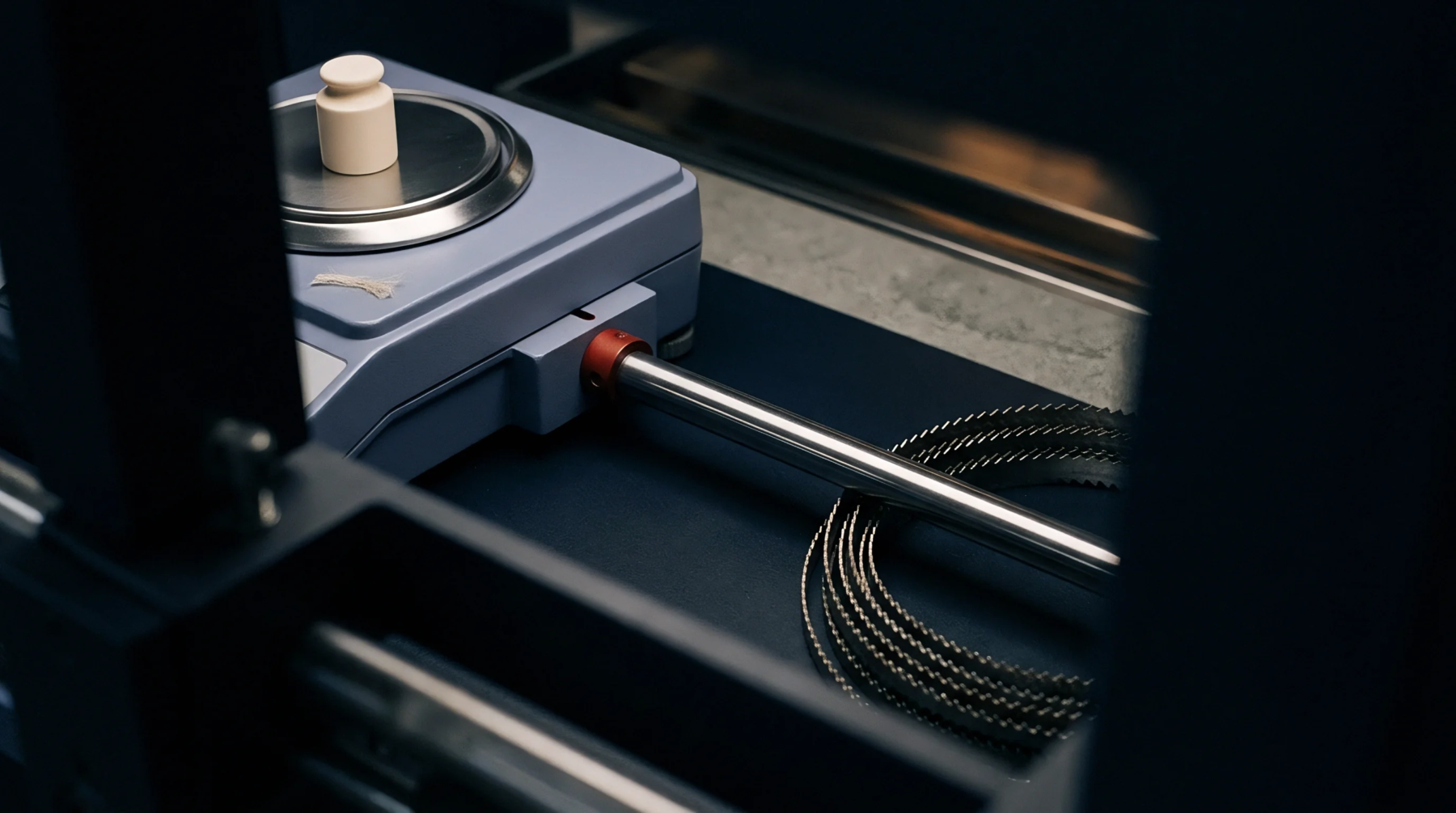
Testing Reliability
Statistical comparisons measure the consistency of material test results across different testing facilities using identical flax samples. Assessing inter-laboratory reproducibility ensures that the fiber properties measured at a Chinese spinning mill match the acceptance tests conducted at a European buyer’s laboratory. Quality managers document these comparison trials in the Annual Inter-Laboratory Verification Report.
High consistency is required to prevent disputes over moisture content or fiber fineness.
Calibration Alignment
Standardizing the testing equipment across multiple locations requires regular cross-checks with reference materials under controlled conditions. When inter-laboratory reproducibility is maintained, both the mill and the buyer can trust the reported fiber strength measurements. This alignment reduces the risk of shipment rejection based on conflicting test results.
The difference between laboratory averages is recorded in the Calibration Balance Sheet to highlight any drift in machine sensitivity. Routine test rounds are conducted quarterly to verify that the air conditioning and relative humidity controls in each facility are functioning identically, since moisture changes affect flax tensile tests.
Method Standardization
Variations in laboratory environments or operator methods can cause discrepancies in measured linen properties. Implementing strict testing protocols according to international standards eliminates these variables and brings both laboratories into agreement. This method ensures that fiber grading remains consistent throughout the global supply chain.