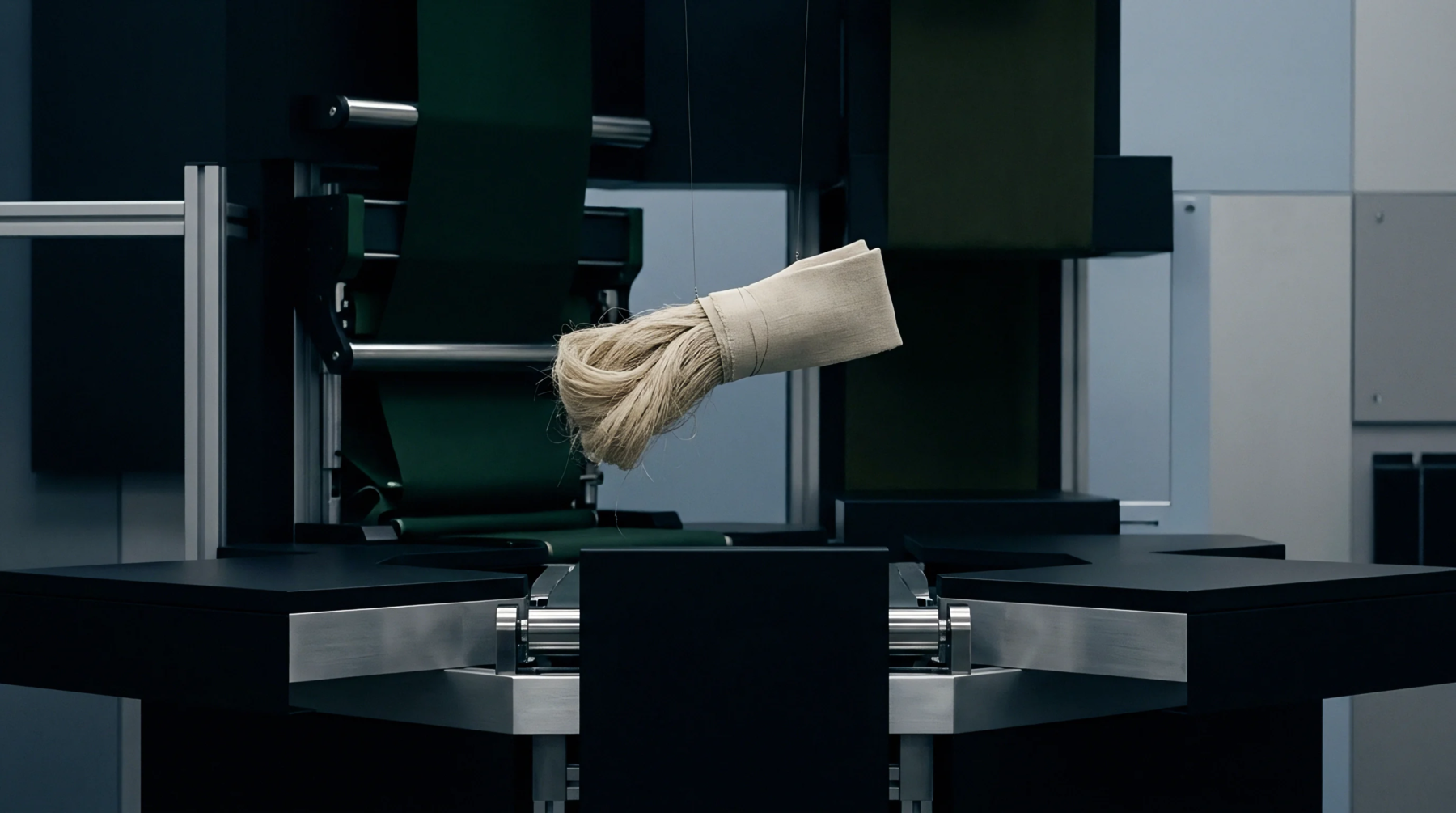
Chemical Scouring
Purification of bast fiber bundles requires the selective dissolution of non-cellulosic polysaccharides that hold the fiber network together. This chemical removal process is hemicellulose extraction, which alters the stiffness and spinning behavior of the raw flax. The reaction takes place primarily during the alkaline scouring phase of roving preparation.
It determines the softness and spinning limit of the resulting linen yarns.
Extraction Mechanism
Alkaline solutions at high temperatures break the ester linkages that bind hemicellulose to lignin and crystalline cellulose. This chemical reaction drives the hemicellulose extraction process by rendering the branched polymers soluble in water. In typical mill operations, sodium hydroxide at a concentration of fifteen grams per liter removes a calculated portion of these amorphous sugars without damaging the structural cellulose.
Insufficient removal leaves the roving too stiff for fine wet spinning, while excessive extraction degrades yarn strength. The balance determines the hand and drape of the finished linen fabric.
Industrial Treatment
Industrial flax processing manages the dissolved organic matter in the wastewater stream to meet national environmental standards. The byproduct stream from the hemicellulose extraction contains concentrated sugars and organic acids that increase the chemical oxygen demand of the mill effluent. Treatment facilities must neutralize this liquid and precipitate the dissolved polymers before discharge.
This management represents a substantial operational cost for modern spinning plants.