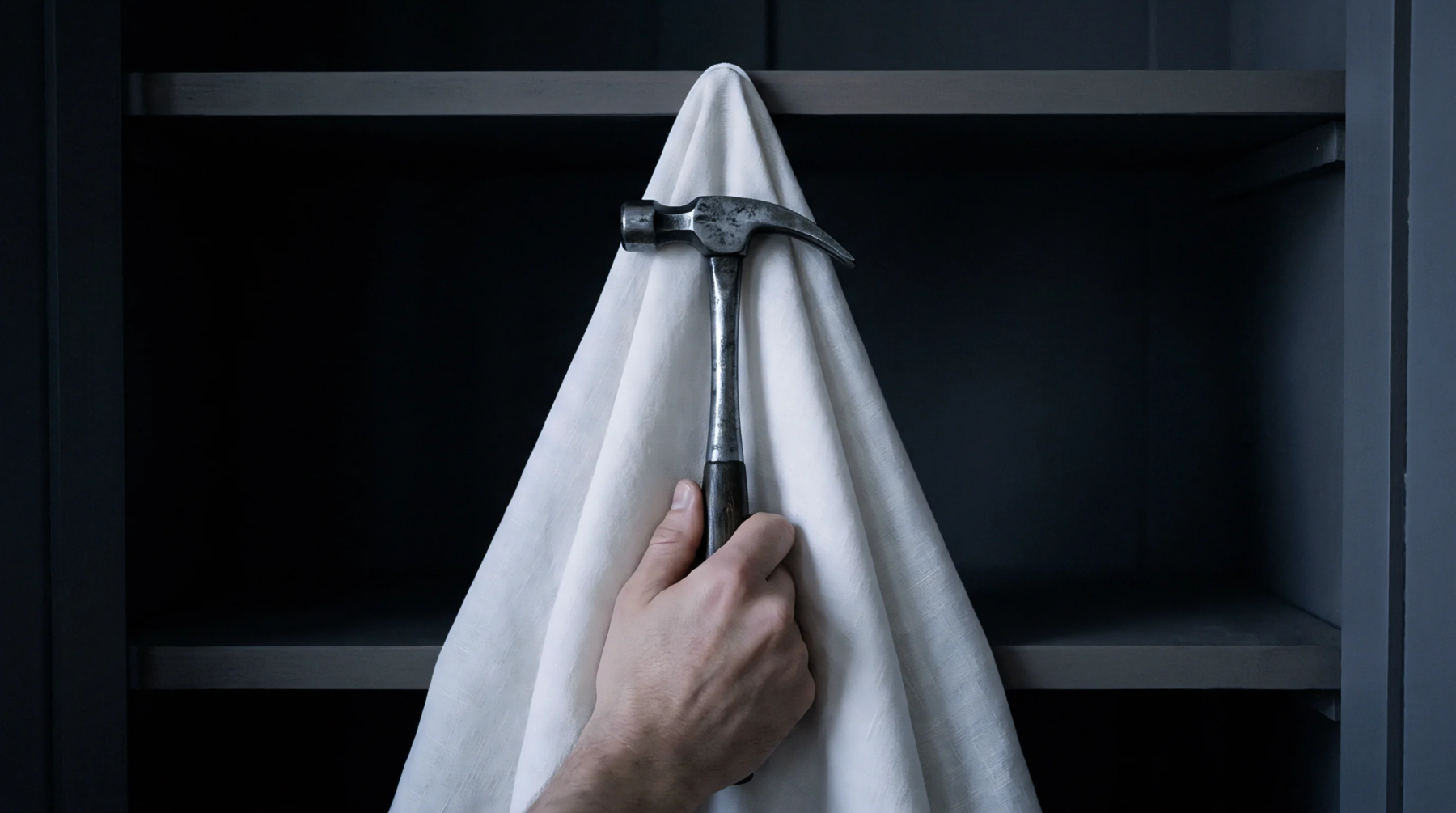
Work Station
An inclined, backlit inspection board provides the primary physical platform for examining woven fabric as it comes off the loom. Before the linen cloth undergoes bleaching or dyeing, it passes over the greige inspection perch where a technician reviews it for weaving defects. This initial evaluation is recorded on the loom-state docket.
While the mill uses this stage to catch loom errors and assign weaver bonuses, the buyer’s audit team reviews the same data on the greige roll report to forecast finished cloth yield. Unprocessed linen is notoriously stiff, making this early physical handling essential for detecting structural flaws before they are set during finishing.
Quality Inspection
Manual and visual assessment of the raw fabric occurs during this stage of the production process. The technician pulls the linen cloth over the illuminated surface at a controlled speed to identify warp breaks and weft miss-picks. The density and frequency of these irregularities determine whether the roll is graded as first-quality or second-quality greige.
This fabric grade is stamped on the roll header before it is sent to the wet processing area.
Fabric Defect
Correcting mistakes early in the manufacturing sequence prevents wasteful chemical processing of unusable material. Any fabric roll containing more than twenty points per hundred square meters on this board is held for manual mending or rejected entirely. This threshold is defined in the factory’s standard operating procedure for woven goods.
The final repair status is signed off by the weave room supervisor.