Mechanical Separation
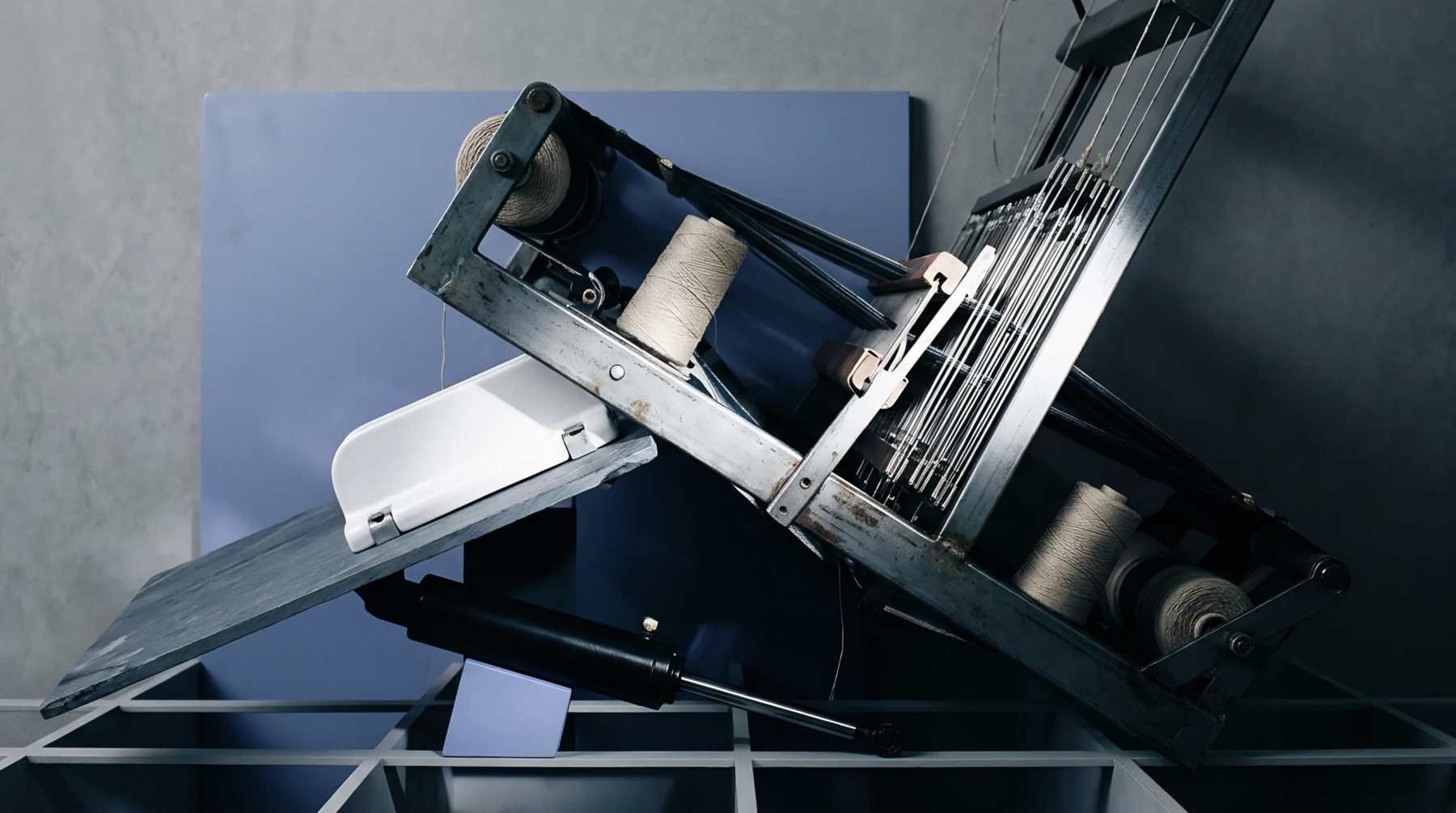
Mechanical force separates woody core remnants from the long vegetable stalks following retting. Flax scutching removes these brittle outer shives through the repetitive impact of rotating metal or wooden blades. This primary transformation stage dictates the yield of usable line fibre that moves toward the hackling phase.
Proper operation ensures the integrity of the bast strands by minimizing breakage during the high speed beating of the material.
Product Calibration
Technical quality assessment follows the output of the scutching machines to verify the balance of fibre against short waste. Mills generate a mill quality report that documents the weight ratio of cleaned line to shive residue found in each batch. This internal assessment differs from buyer acceptance criteria which focus on tensile strength and the absence of residual lignin.
Consistent output allows the spinning facility to project yarn yields accurately. Failure to regulate the blade clearance causes fiber damage that carries forward into the spinning process.
Trade Requirements
Export standards specify strict moisture limits and contamination tolerances for the output collected from the scutching floor. International buyers verify these properties by checking the cleanliness of the bales against a standardized fibre grading index before finalizing payment. Discrepancies between the mill grade and the import classification often result in financial adjustments based on the lower value detected.
Rigorous cleaning at this junction governs the economic potential of the crop for every subsequent actor in the linen production line.