Attenuation Process
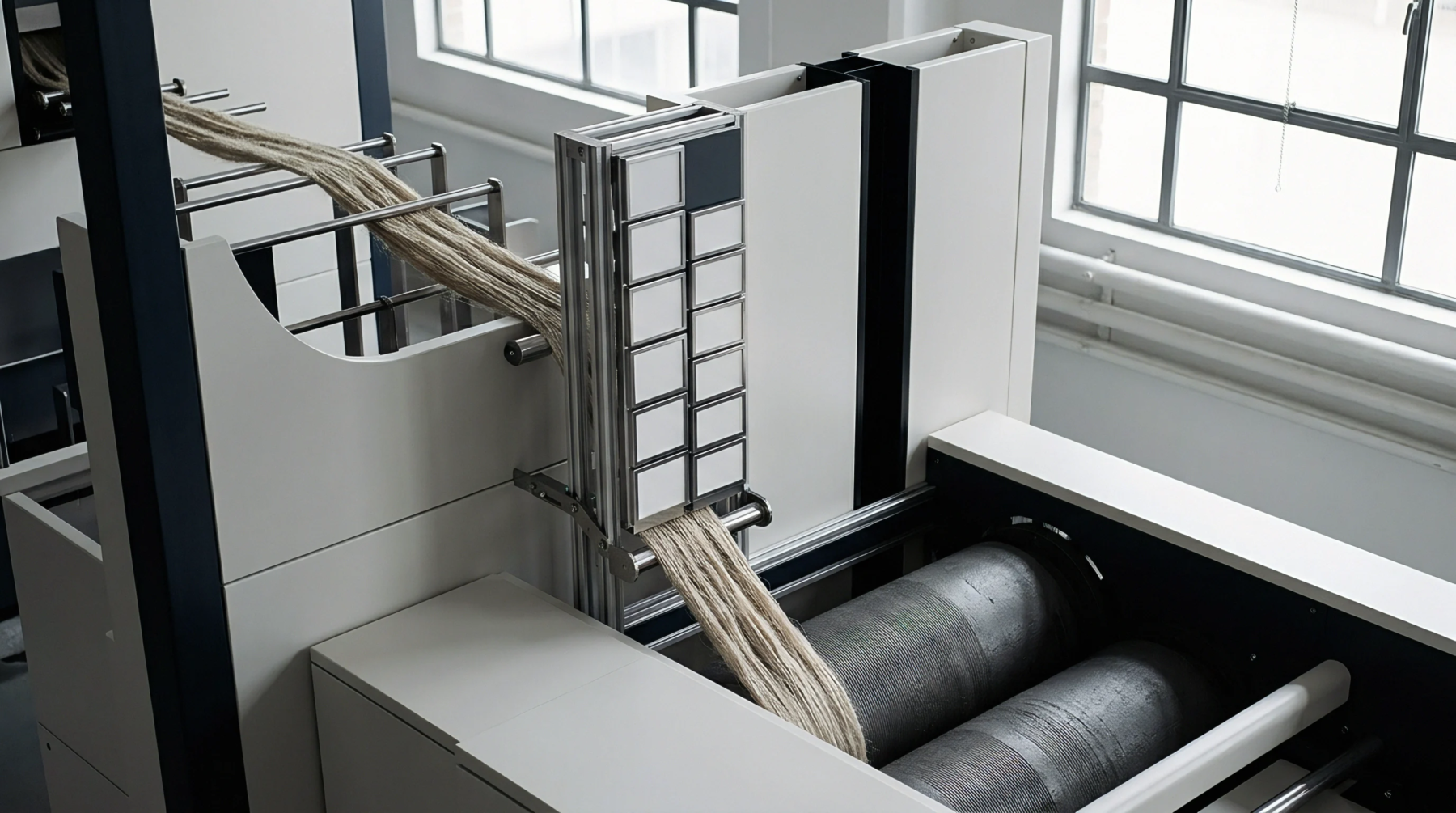
Sequential drafting rollers operating with hot water immersion soften inter-fiber pectin to allow controlled linear thinning of twisted sliver strands. Flax roving attenuation converts thick roving into fine yarn strands immediately before final twist insertion on wet ring spinning frames. Machine setting logs record draft ratios on spinning room control sheets to enforce yarn count accuracy.
Hot water basins soften residual hemicellulose adhesives inside the roving, enabling smooth fiber slippage under mechanical draft forces. This attenuation measurement ceases to apply once twist insertion secures fiber orientation at the spindle traveler.
Roving Deformation
Water bath temperature and immersion duration control the plasticization level of bast fiber bundles entering the drafting rollers. When flax roving attenuation occurs unevenly due to hot water spots or worn rubber roller covers, yarn thick-and-thin defects form continuously along the spinning line. Operators adjust water temperature controls and replace worn top aprons whenever yarn weight monitors detect mass variations.
Maintenance technicians log component replacements in wet spinning line journals to track equipment performance.
Yarn Limit
Buyer purchase orders stipulate maximum permitted yarn mass variance across all delivered linen spools. Flax roving attenuation establishes the final linear mass density and determines yarn count precision. Quality certificates record roving draft figures and lea count variation coefficients before clearing yarn lots for export packaging.