Weft Density Limit
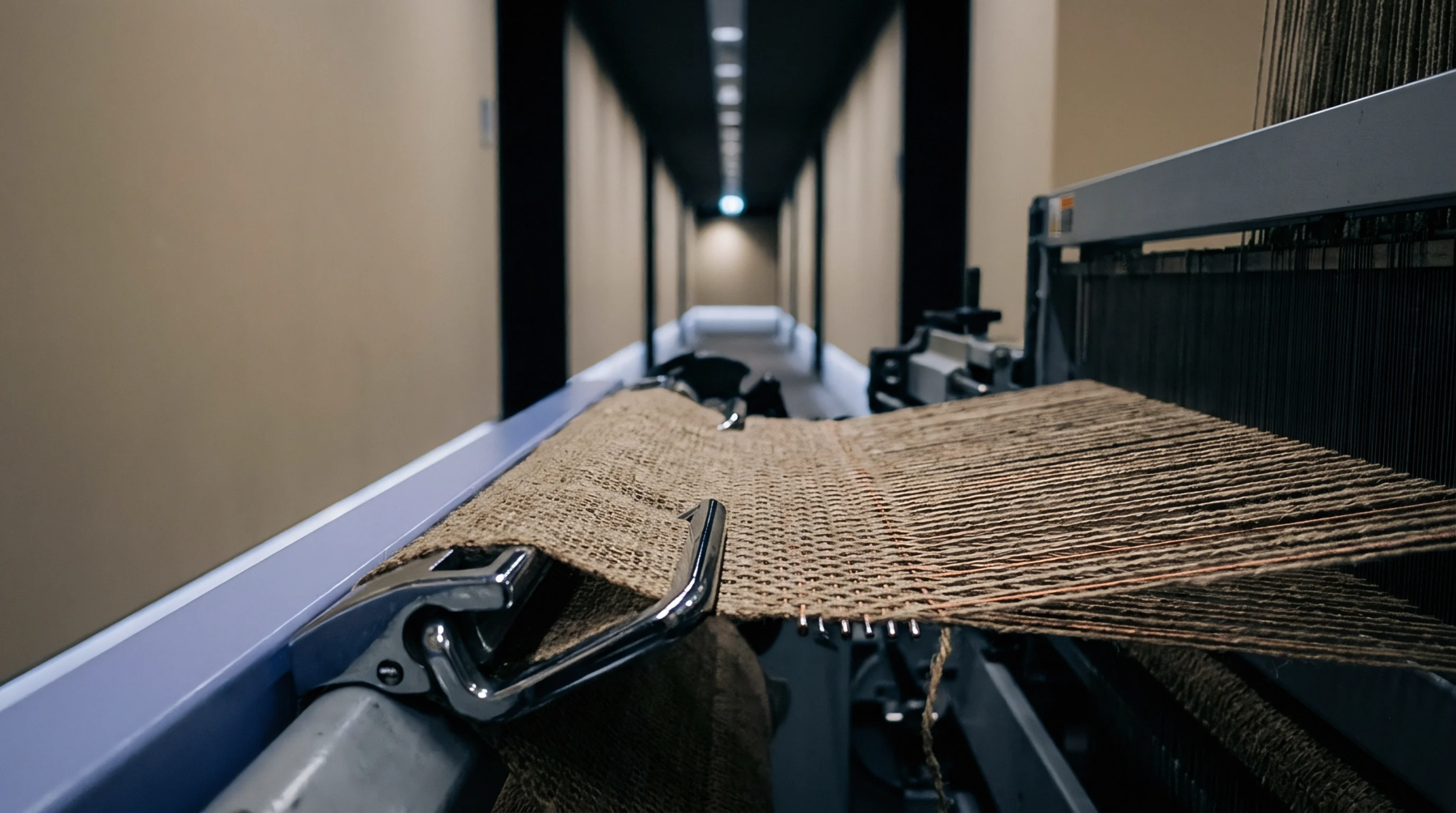
Wet processing in Chinese flax mills requires strict control over flax filling insertion rates during loom operation. Modern rapier looms maintain a constant pick count per centimeter through synchronized electronic let-off mechanisms. High velocity shuttle movements can destabilize wet spun yarn if tension compensation fails along the selvedge.
Quality control departments record these operational parameters in daily production logbooks alongside relative humidity readings. Inspectors separate intrinsic fibre defects from mechanical irregularities before granting export clearance for finished sheeting batches.
Shed Geometry Matrix
Shed opening heights directly influence how flax filling insertion proceeds across the harness frames without abrading adjacent warp threads. Warp tension differentials demand precise timing adjustments when heavy wet spun yarns cross the fall line at high speeds. Loom technicians evaluate shadow diagrams to verify that the drop wires do not impede shuttle passage through the lower shed layer.
Factory specifications dictate specific clearance limits for each metric count produced on jacquard machinery. Mill managers audit these alignment records weekly to prevent warp breakages during high speed production runs.
Export Grade Threshold
Buyer contracts establish strict limits for acceptable fault counts per hundred square meters of grey linen fabric destined for European markets. Third party testing houses inspect random samples from each finished lot using standardized illumination boxes in climate controlled laboratories. Defect classifications distinguish between inherent vegetable matter entrapment and weaving faults caused by improper shuttle deceleration.
Final acceptance depends on whether the measured pick density matches the purchase order specifications within acceptable tolerance margins.