Processing Threshold
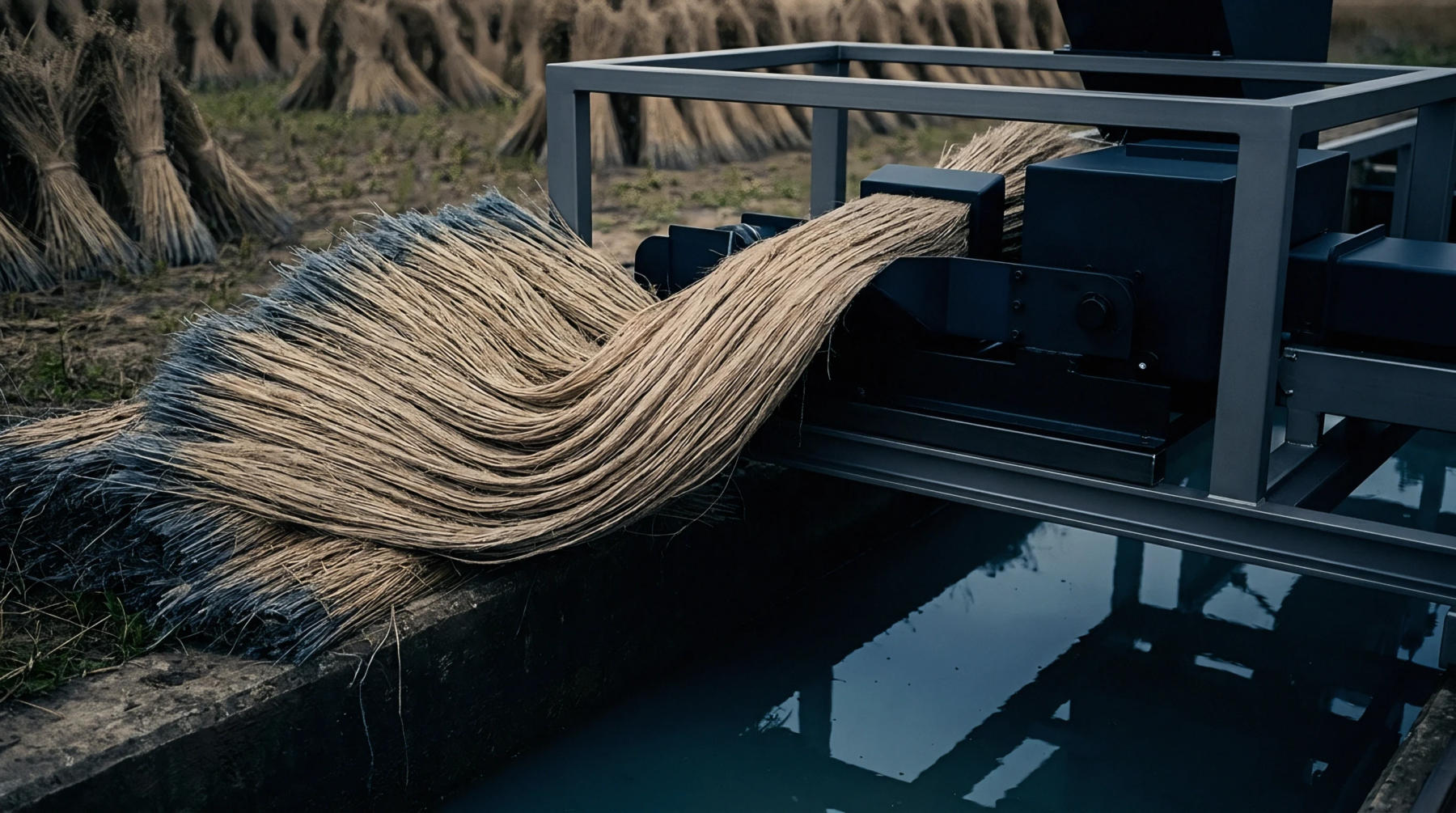
Performance metric establishing the maximum allowable percentage of raw material removed during the scutching and hackling stages of flax preparation. Mills set a specific fiber loss tolerance to balance the removal of shive and short fibers against the financial yield of the long line fiber. This threshold appears on technical production orders to guide machine operators during the initial mechanical cleaning of the straw.
Economic Yield
Calculating the acceptable waste requires a comparison between the cost of the raw flax and the expected grade of the output. When a batch contains high levels of woody matter, the fiber loss tolerance may be adjusted upward to ensure the final sliver meets the cleanliness requirements for fine yarn counts. Excessive waste beyond this limit triggers an immediate review of the machine settings or the retting quality of the incoming straw.
Such adjustments prevent the loss of usable long fibers that are necessary for high strength applications.
Cleaning Standard
Laboratory staff monitor the actual waste levels by weighing input and output at each hackling frame. If the measured loss exceeds the predetermined fiber loss tolerance, the mill supervisor investigates whether the pins are too aggressive or if the fiber is overly brittle. Documenting these variances ensures that the procurement department understands the real yield from each supplier.