Loom Operation
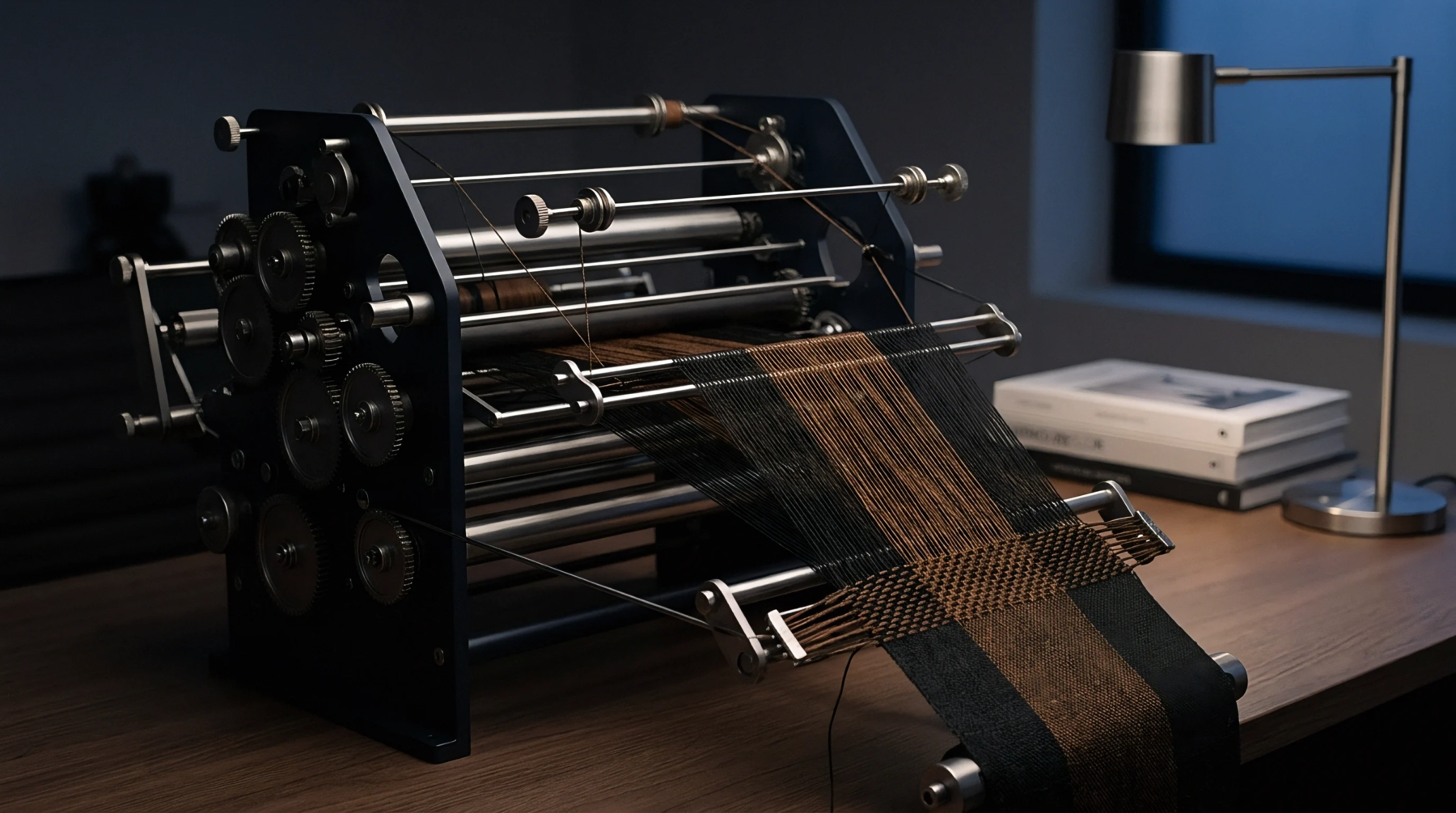
Fabric manufacturing processes that utilize two independent warp beams allow for the creation of textiles with varied structural densities. Implementing dual beam weaving enables the production of linen fabrics that combine heavy ground yarns with finer decorative elements. This configuration is standard for pique fabrics or certain corded linen styles found in upscale upholstery.
Technical Configuration
The arrangement places one beam above the other on the loom frame, each equipped with its own let off mechanism and tension roller. When the loom cycles, the dual beam weaving process draws different lengths of yarn from each source according to the weave design. If the secondary yarn requires significantly more length per pick than the ground yarn, a standard single beam setup would fail due to uneven yarn consumption.
Production Management
Managing the replenishment of two beams requires careful planning to minimize downtime since the beams rarely reach depletion at the same moment. Mill managers track the remaining meterage on each beam to coordinate changeovers and maintain high loom efficiency. Because this method involves more complex threading and setup procedures, it typically commands a higher processing fee than single beam weaving.
This specialized technique expands the range of textures achievable with inelastic natural fibres.