Linear Reduction
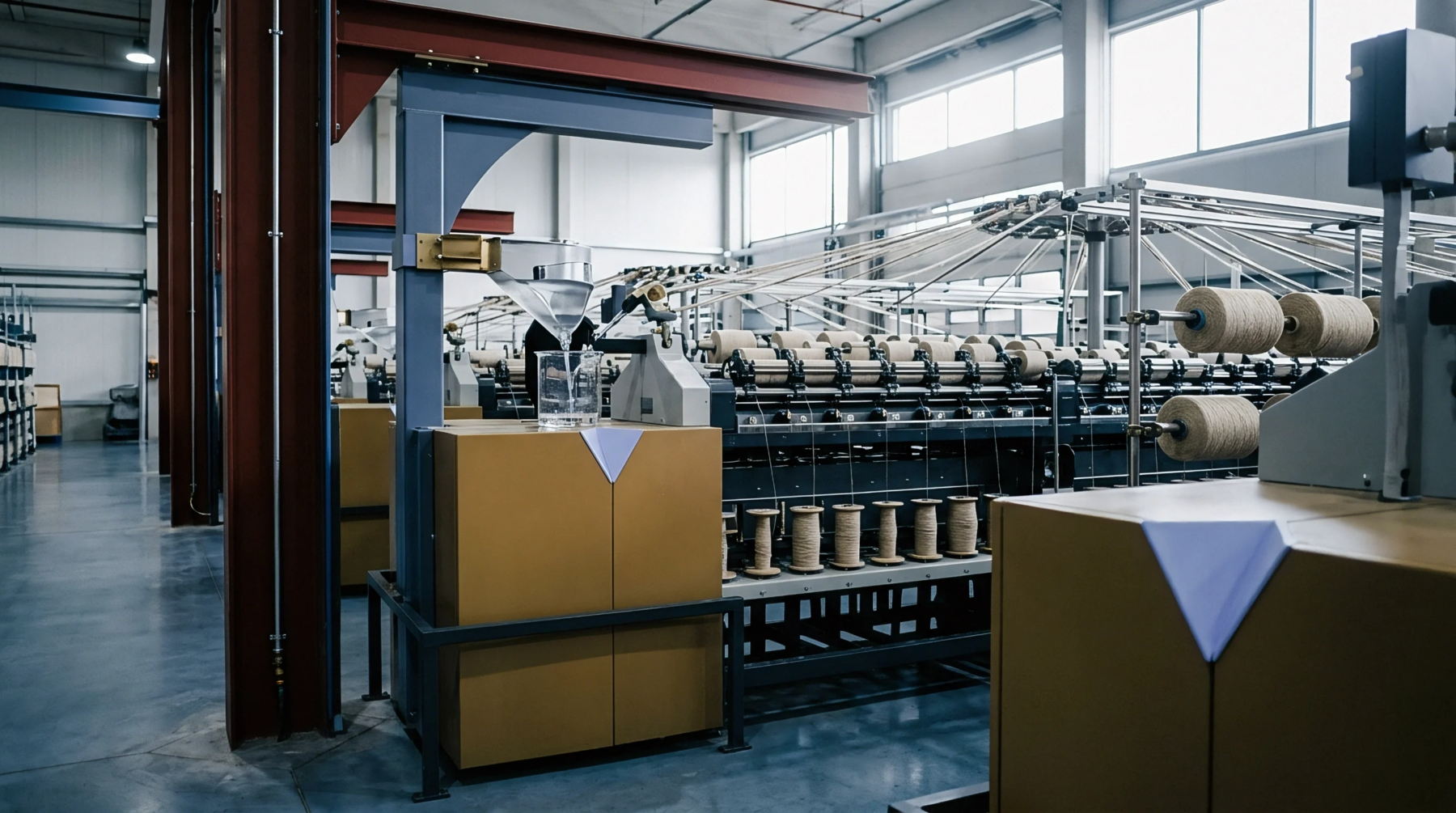
Mechanical elongation thins the fibre strand by pulling it through rollers rotating at different surface velocities to achieve a specific count. The resulting draft ratio attenuation transforms a heavy sliver into a fine roving or a roving into a finished yarn. This ratio is the primary calculation used to determine the final density of the linen product.
Velocity Gradient
Calculation of the degree of thinning is performed by dividing the speed of the front delivery roller by the speed of the back feed roller. A draft ratio attenuation of fifteen indicates that the output strand is fifteen times longer than the input. The limit of this attenuation is reached when the number of fibres in the cross section becomes too low to maintain the integrity of the strand.
In Chinese linen mills the draft settings are documented on the spinning plan and verified by weighing lengths of the delivered material at the start of each production run.
Regularity Impact
Fibres must be controlled by pins as they pass through the drafting zone to ensure they move at the correct speed. Without this control the draft ratio attenuation would be uneven and the yarn would contain frequent breaks. Technicians adjust the reach between the rollers to account for the specific length of the flax.