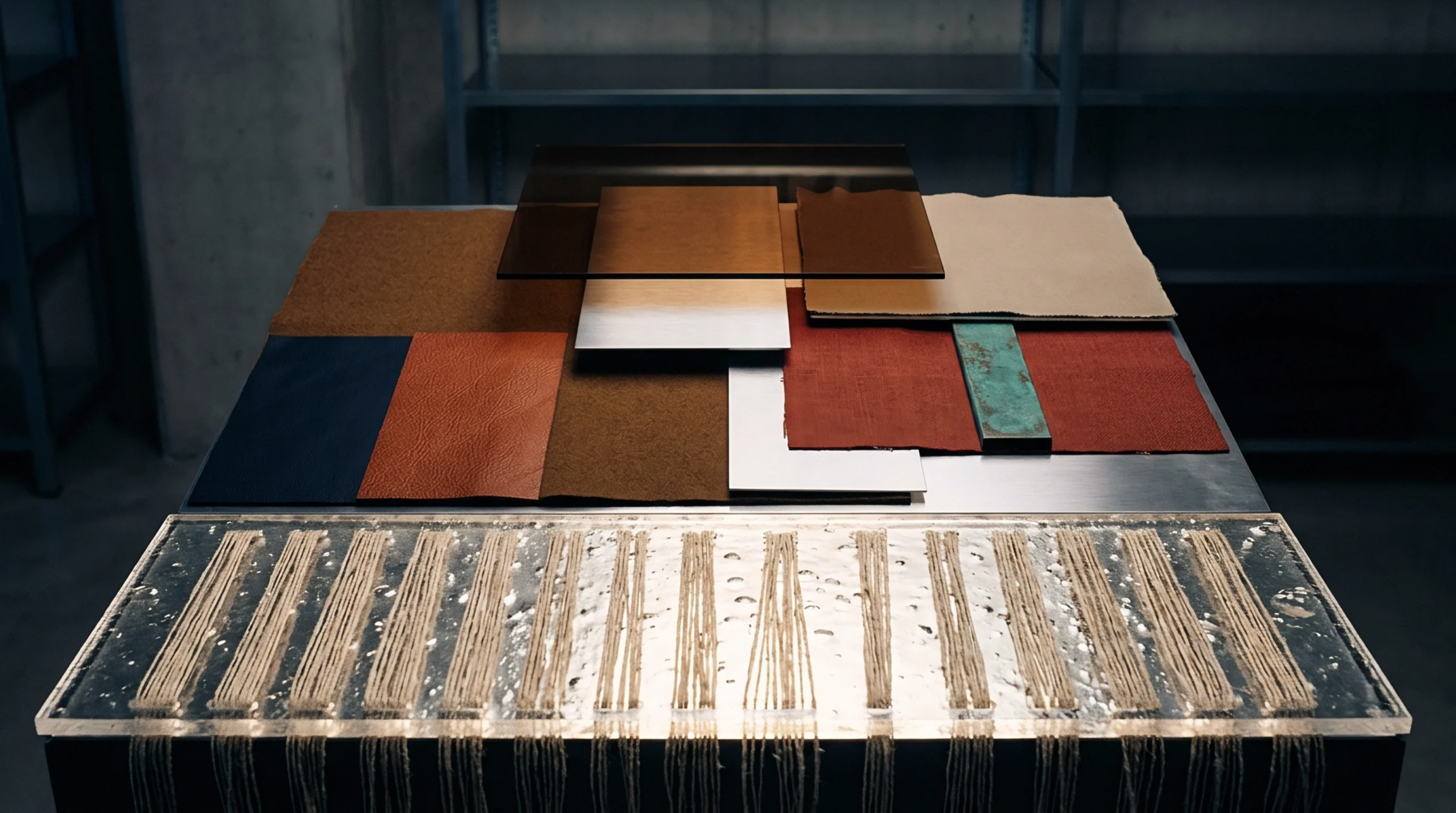
Tension Disparity
Adjustments in loom harness geometry establish different heights for upper and lower warp sheets during the loom cycle. This asymmetric shedding strain alters the relative extension of the warp yarns as they divide to form the shed. By keeping one sheet under lower tension, the loom allows hairy flax yarns to separate more cleanly without clinging.
The imbalance helps to prevent yarn breakage during high-speed operation.
Loom Configuration
Mechanical settings of the harness frames and the back rest dictate the specific paths of the yarns. Mill operators measure asymmetric shedding strain by checking the tension levels of the top and bottom sheets during shed open states. In Chinese spinning and loom facilities, this configuration is registered on loom setup sheets to maintain consistent friction profiles.
Adjusting the back rest height remains the primary method for setting this parameter, which holds the warp tension in check while the rapier passes. Too much height variation can cause the yarn to slip out of the heddle eye, which triggers a loom stop.
Structural Impact
Asymmetrical tension distributions directly influence the appearance of the finished linen cloth. When the bottom sheet is kept tighter, the warp yarn tension at the moment of beat up creates a flatter face on the fabric. Such differences can cause minor unevenness in dye uptake if not controlled across the loom width.
Therefore, the setup sheets must match the target fabric structure to prevent variations across loom batches.