Mechanical Timing
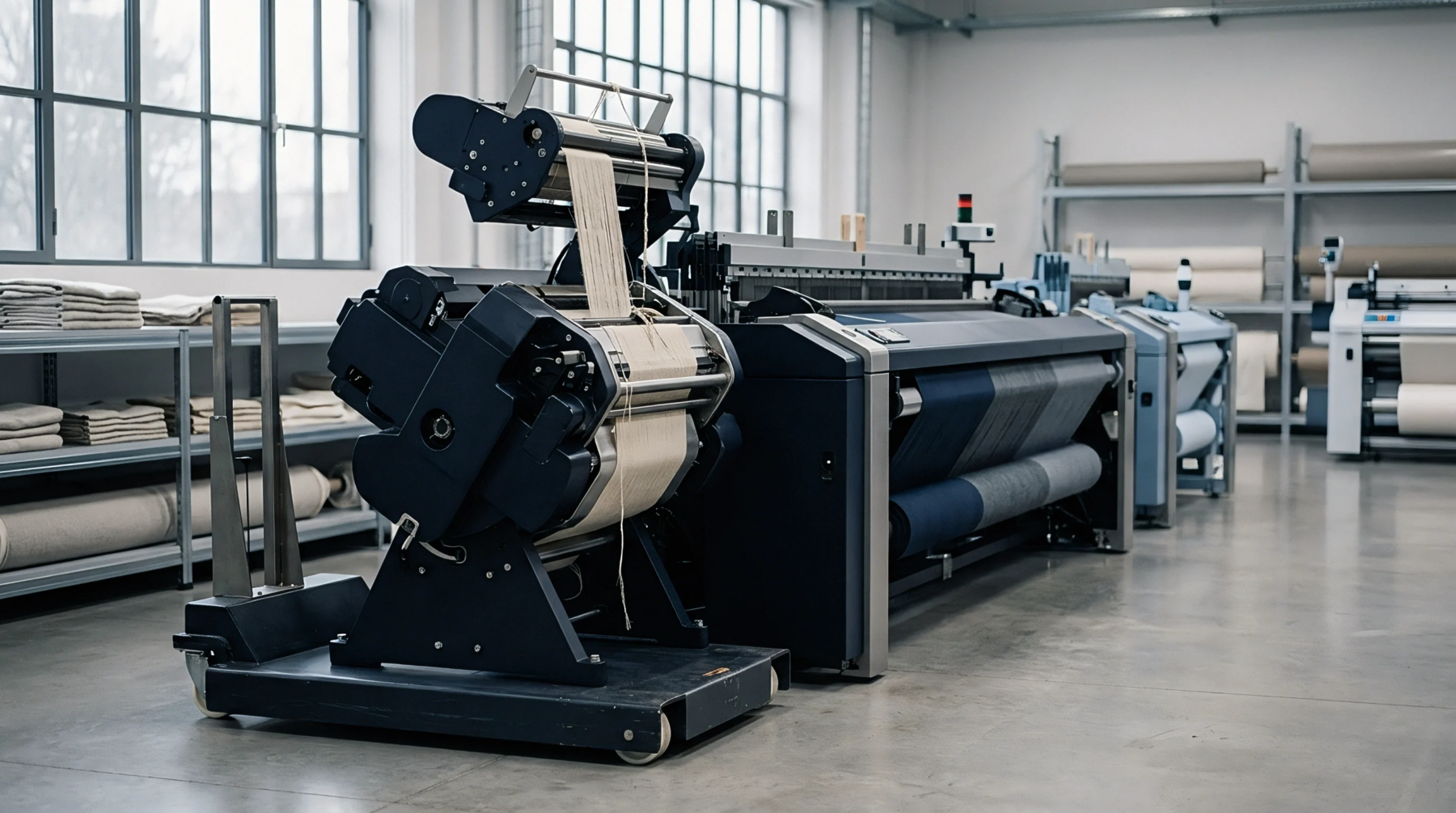
Air jet shedding kinematics represents the precise temporal synchronization of nozzle activation and needle movement during the insertion phase within automated linen production lines. Engineers utilize this data to record the exact duration of compressed air pulses against the displacement path of the warp yarns. The measurement defines the window for pneumatic shuttle velocity and stops applying once the weft reaches the opposite reed edge.
Manufacturers document these figures in the machine log to ensure that airflow intensity matches the flax fibre density of the batch. Precise calibration prevents yarn slippage or breakage caused by mistimed pressure surges.
Insertion Velocity
High speed optical sensors monitor how air jet shedding kinematics dictate the flight path of the pick across the loom bed. Deviations in the mechanical sequence alter the tension profile of the warp, forcing immediate adjustments to the digital control module. A fabric grade depends upon the stability of these crossings, as uneven velocity produces variations in the density of the final textile.
Stable output requires consistent pressure from the main and auxiliary valves along the entire breadth of the reed. Minor errors in the synchronization cycle increase the frequency of stoppage alarms for the weaving department. Technicians evaluate this performance against the original loom manufacturer specifications to guarantee that the hardware maintains the required output quality for export contracts.
Process Verification
Consistency across multiple shifts confirms that air jet shedding kinematics align with the documented factory settings for long line flax processing. Auditors examine the log files from the controller to compare the actual valve discharge timings against the preset thresholds for the specific fibre grade in production. This verification distinguishes the mill own quality standard from the specific acceptance criteria defined by the buyer in the purchase agreement.
Any drift in the measured timing suggests a mechanical degradation in the pneumatic valves or a change in the internal diameter of the air supply lines. Proper alignment of these variables ensures the structural integrity of the woven cloth remains within the tolerance range established by the industry. Standardizing this movement across the fleet reduces the variance in fabric weight per square meter across different production runs.