Weft Propulsion
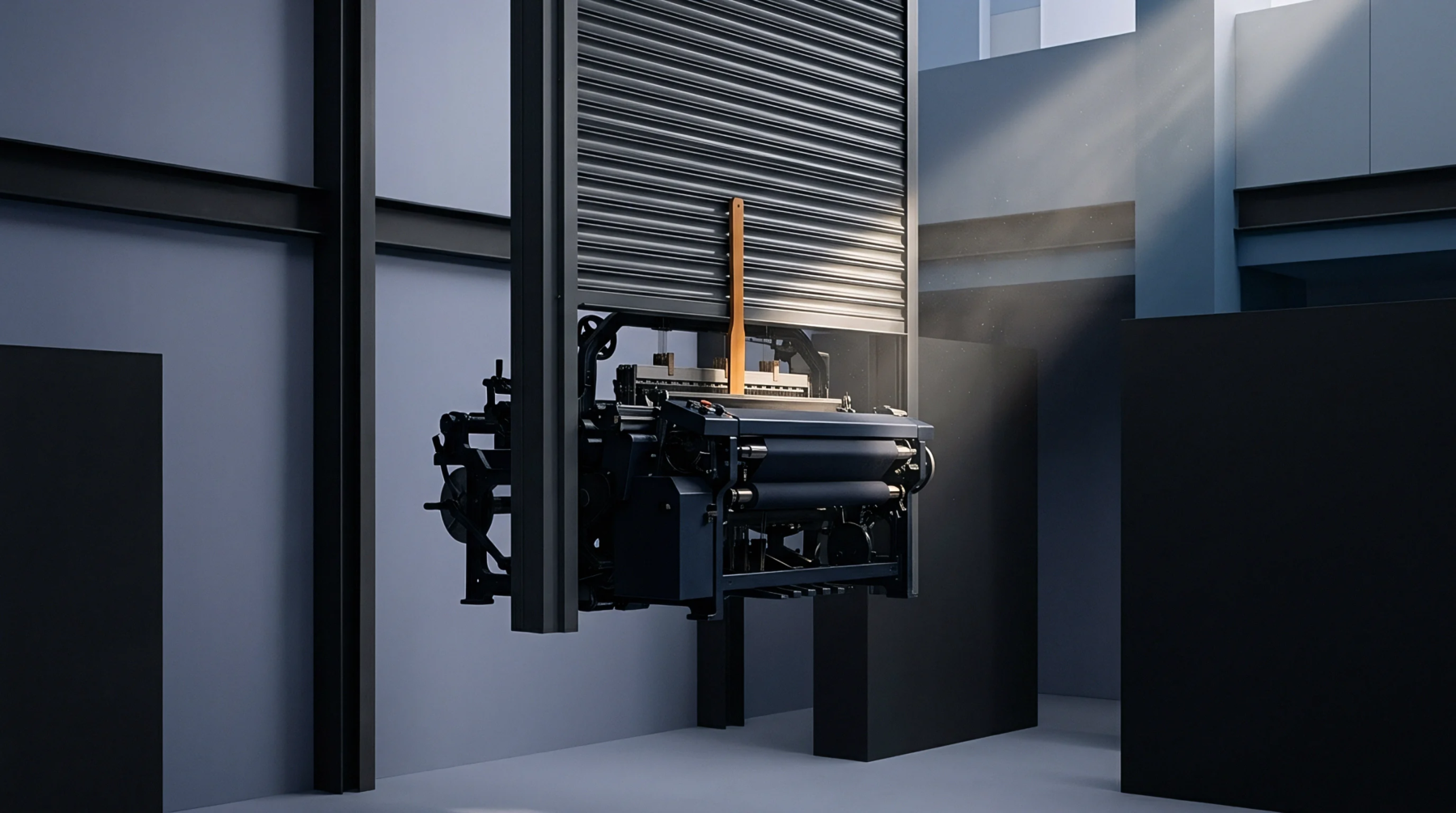
Weaving technology utilizes a compressed stream of air to project the weft yarn through the warp shed. In high-speed linen manufacturing, air jet pick insertion provides a rapid method for the transport of fine flax yarns. The technique remains highly dependent on yarn uniformity to prevent structural damage from the sudden pneumatic force.
Aerodynamic Flow
The mechanism utilizes a main nozzle at the entrance of the shed to initiate the movement of the weft before relay nozzles situated along the profile reed maintain its speed. This sequential firing of air valves ensures that the flax yarn traverses the full width of the loom without losing momentum or collapsing. Tension remains highly dependent on nozzle pressure, demanding constant surveillance to prevent the fibers from unravelling or breaking mid-flight.
When the pressure is calibrated incorrectly, the tip of the weft yarn can untwist, creating loose fibers that block the reed channel.
Fabric Suitability
Linen yarn presents natural surface irregularities and slubs that disrupt the aerodynamic drag during propulsion. This restricts air jet pick insertion to high-quality combed linen of uniform diameter. When low-grade flax with frequent thick points is processed on these looms, the aerodynamic resistance fluctuates wildly and causes filling stops.