Inter Thread Shear Yield Point Calibration in Conditioned Linen Sheds
Calibrating shed moisture regain standardizes inter-thread crossover friction, preventing fell line instability and reducing greige fabric defect costs.

Moisture
Atmospheric Equilibrium in Weaving Sheds
Flax fibers absorb ambient moisture rapidly. Environmental water vapor directly alters the crystalline cellulose architecture inside spun linen yarn, changing both internal hydrogen bonding and the surface friction coefficient. In high-speed weaving sheds, managing relative humidity keeps yarn moisture regain within a narrow 8.5 to 10.5 percent window by weight.
Falling below this range reduces fiber extensibility and causes brittle warp end breaks during shedding tension. Exceeding it swells the flax pectin matrix, increasing inter-yarn friction and shifting the mechanical shear point where warp and weft threads slide over one another at crossover points.
Water content modifies lumen cell walls. When flax fibers hit atmospheric equilibrium at 65 percent relative humidity and 20 degrees Celsius, the inter-thread shear yield point stabilizes, allowing predictable thread packing during beat-up. Shift shed conditions, and this equilibrium alters within minutes.
A 10 percent drop in humidity stiffens the yarn, preventing threads from nesting tightly against the reed beat-up plane. This added rigidity demands higher shedding force, increasing friction against standard drop wires and heddle eyes.

Viscoelastic Response of Flax Yarns
Flax yarn behavior under dynamic stress depends heavily on fiber orientation and binder pectin state. Unlike synthetic filaments or crimped wool, linen yarn lacks natural elasticity; it shows a steep initial modulus followed by micro-yield sliding. Moisture serves as a plasticizer inside the amorphous regions of the flax fiber wall.
As water penetrates the fiber bundle, the yield stress needed for lateral inter-thread displacement drops linearly with higher moisture regain.
Under dynamic shedding motions, shear resistance dictates warp thread displacement as warp and weft threads press together under normal contact loads ranging from 5 to 25 newtons per square centimeter. Calibrating inter-thread shear yield points requires keeping shed conditioning within tight tolerances. If shed temperature strays by more than 2 degrees Celsius, evaporation from the running warp sheet changes the surface friction coefficient before the yarn reaches the fell of the cloth.
Conditioned linen yarn tested at 65 percent relative humidity exhibits an inter-thread shear yield stress of 4.2 megapascals under a normal contact pressure of 12 kilopascals.
Maintaining warp moisture equilibrium prevents lateral yarn migration long before mechanical shedding forces peak.

Interface
Crossover Mechanics and Yarn Contact Geometry
Surface traction where warp and weft meet dictates how the cloth structure consolidates during beat-up. In plain weave linen, every crossover point acts as a localized shear interface shaped by thread geometry, twist multiplier, and surface hairiness. Microscopic fiber entanglements from hairy yarn raise initial shear resistance.
Higher warp twist yields rounder yarn, shrinking the physical contact area and reducing the force required to slide threads along the fell line.
When the loom reed strikes the cloth fell, warp tension rises instantaneously to peaks between 180 and 320 newtons per meter of width, shifting thread contact points. The normal force generated at yarn intersections forces flattened fiber bundles to deform laterally. The ratio of warp cover factor to weft cover factor determines whether the weft yields laterally or the warp deflects vertically.
Standard plain weave constructions with 16 ends per centimeter and 16 picks per centimeter using 26 Nm linen yarn generate distinct interfacial shear yield thresholds based on yarn lubricant content and sizing chemistry.
| Yarn Sizing Composition | Warp Tension (N/m) | Static Friction Coefficient | Dynamic Friction Coefficient | Shear Yield Point (kPa) |
|---|---|---|---|---|
| Native Flax Pectin (Unsized) | 200 | 0.42 | 0.35 | 14.8 |
| Modified Native Starch (3% Add-on) | 200 | 0.31 | 0.26 | 11.2 |
| Polyvinyl Alcohol Blend (2% Add-on) | 200 | 0.24 | 0.19 | 8.6 |
| Carboxymethyl Cellulose (2.5% Add-on) | 200 | 0.28 | 0.22 | 9.9 |
Inter-Thread Friction Factors
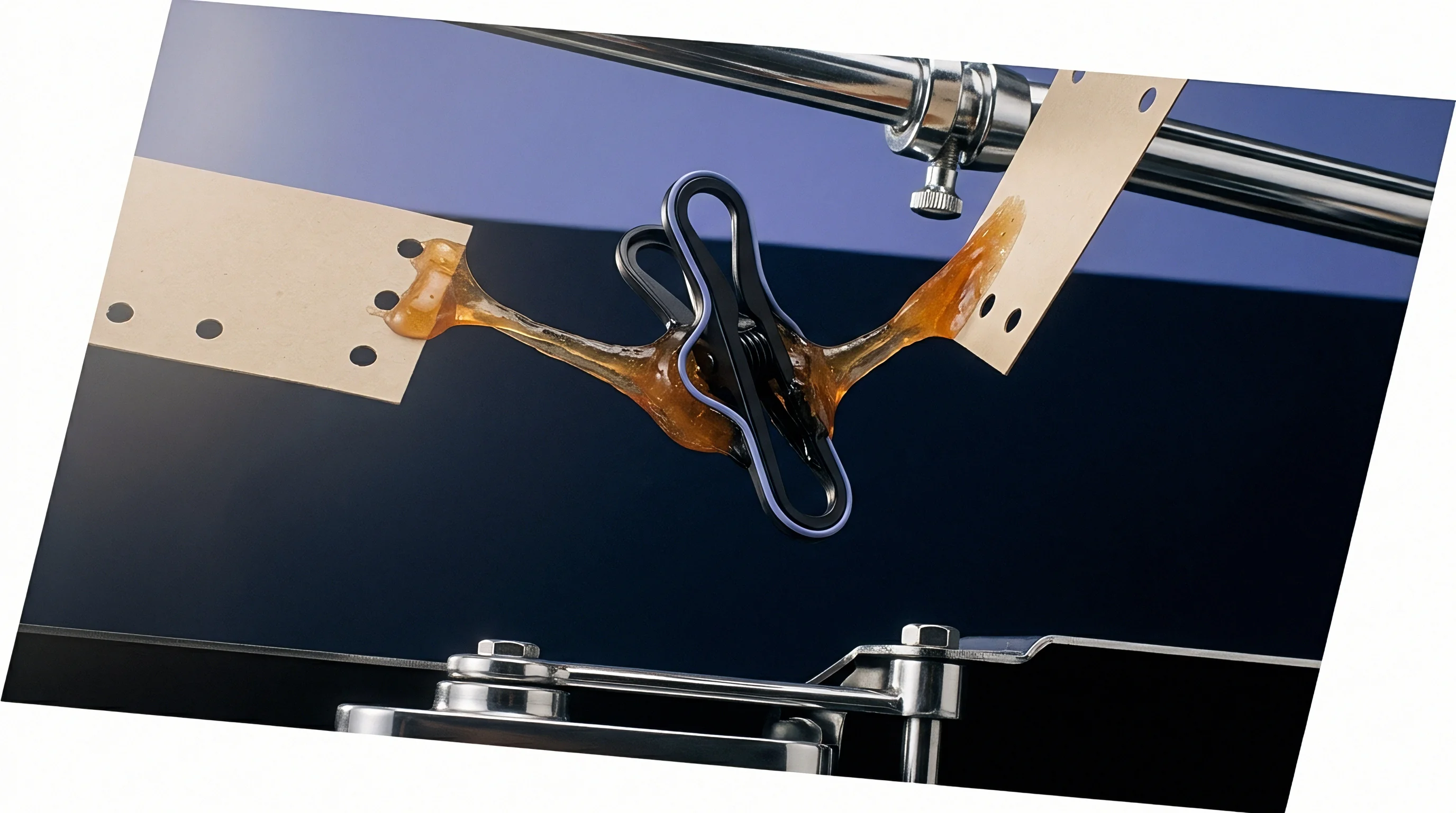
Sizing agents alter fiber surface traction. Polyvinyl alcohol and modified starch formulations smooth the outer sheath of the yarn, lowering both static and dynamic inter-thread friction coefficients. While reduced friction prevents warp breakage in the harness frame, excessively low friction allows thread displacement after beat-up, leading to uneven pick distribution and reed marks in the greige fabric.
Calibrating the inter-thread shear yield point ensures that threads slide into place during reed collision but remain fixed once shedding tension relaxes.
Fabric density changes warp pick spacing. The balance between surface sizing lubricity and internal fiber friction dictates whether high-density linen weaves can be produced without reed line defects. Factors controlling crossover yield behavior include:
- Yarn twist factor determines bundle tightness and contact area, where higher twist reduces contact surface while raising yarn compression resistance.
- Sizing add-on percentage controls outer surface smoothness and prevents fiber filamentation during high-frequency harness movement.
- Warp beam tension setting applies baseline normal force across warp threads, shifting the initial resistance required to initiate thread slip.
- Shed opening angle dictates the peak normal stress applied to warp threads during harness lift cycle.
Warp streak defects frequently stem from uncalibrated crossover friction rather than inherent fiber lot variance.

Dynamics

Which Environmental Variables Alter Crossover Shear Thresholds?
Relative humidity, ambient shed temperature, and air velocity across the loom race modify yarn surface moisture in real time. Air currents from overhead air-conditioning ducts accelerate surface drying of the top warp sheet, introducing localized moisture differentials across the warp beam. A moisture gradient of 1.5 percent between the left side and right side of the loom beam shifts the inter-thread shear yield point by up to 18 percent, leading to uneven beat-up compression across the reed width.
Loom speed affects dynamic force peaks. Modern rapier looms operating at 450 picks per minute generate cyclic strain frequencies of 7.5 hertz. Air-jet looms running at 700 picks per minute exceed 11.6 hertz.
At high frequency, the viscoelastic recovery time of flax fiber bundles is shorter than the cycle period. Fiber bundles behave as rigid elastic solids, raising the dynamic shear yield stress required to settle each pick against the fabric fell.
Compliance with ISO 7211-2 pick counting tolerances invalidates mill scrap claims when shed relative humidity deviates more than 4 percent from target calibration.
Worked Calibration Procedure for Inter-Thread Shear Point
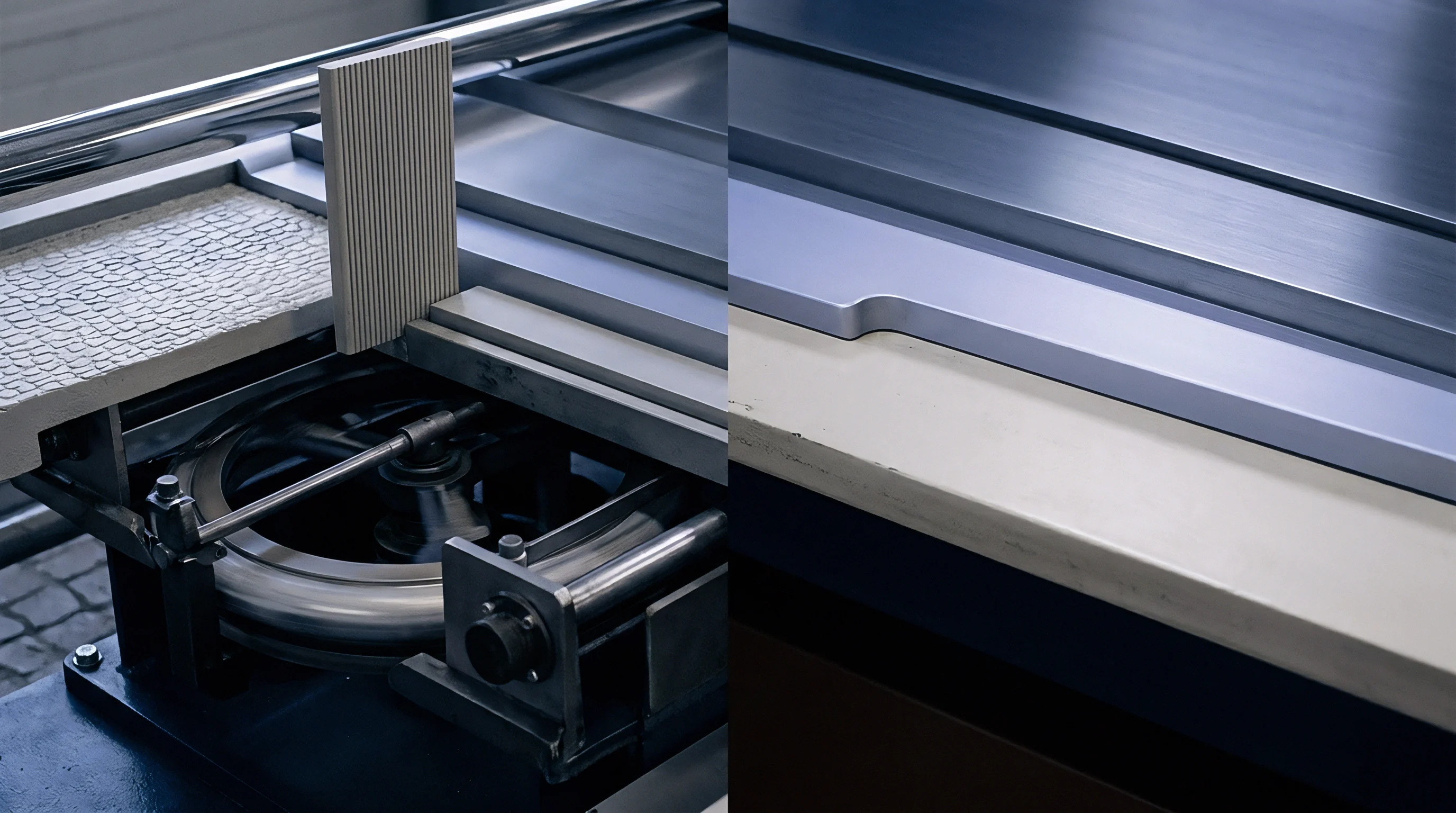
Calibrating the shear yield threshold of conditioned linen warps under shed conditions follows a standardized measurement sequence on the production loom frame.
- Mount a 100-millimeter section of the running warp sheet into a calibrated biaxial tension transducer positioned between the drop wires and back rest roller.
- Set shed conditioning systems to 68 percent relative humidity and 21 degrees Celsius, allowing the yarn beam to equalize for 4 hours prior to loom start.
- Apply a static normal load of 15 kilopascals to the overlapping warp-weft junction using an inline micro-shear mechanical head.
- Increase tangential displacement force at a constant rate of 0.5 millimeters per second until thread slip initiates along the weave axis.
- Record the peak tangential force at initial movement to calculate static shear yield stress using standard contact area formulations.
- Repeat measurements across five positions across the cloth width to verify shear yield uniformity across the beam.
Unconditioned yarn fails under cyclic stress. Data derived from dynamic shed measurements demonstrates the relationship between shed relative humidity, loom operating speed, and resulting shear yield points across common linen loom types.
| Loom Mechanism | Picks per Minute | Target Shed RH (%) | Warp Peak Tension (N) | Measured Shear Yield Stress (MPa) | Efficiency (%) |
|---|---|---|---|---|---|
| Flexible Rapier | 380 | 65 | 210 | 4.1 | 92.4 |
| Flexible Rapier | 450 | 68 | 245 | 3.8 | 89.1 |
| Air-Jet Insertion | 600 | 72 | 280 | 3.2 | 86.5 |
| Air-Jet Insertion | 720 | 75 | 310 | 2.9 | 81.2 |
| Single Rigid Rapier | 320 | 62 | 195 | 4.6 | 94.8 |
Inserting ISO 13937-2 tear propagation minimums into purchase agreements shifts the cost of shed humidity drift entirely back to the weaver.


Strain

Deformation Behavior during Reed Beat-Up
Mechanical impact during reed beat-up subjects yarn crossover points to intense short-duration shear strain. As the reed pushes the newly inserted weft pick against the fabric fell, the warp threads undergo dynamic extension while the weft pick undergoes lateral compression. The resistance of the weft pick to sliding along the warp ends dictates the final pick density per centimeter.
If the inter-thread shear yield point exceeds the structural yield limit of the yarn, fiber shear damage occurs, fracturing outer bast fibrils and generating slub-like surface defects.
Reed beat up compresses pick density. When the shear yield point is calibrated correctly through precise humidity and sizing selection, the weft pick glides smoothly into place without distorting adjacent warp ends. If thread friction is too low, the elasticity of the warp sheet pulls the pick back away from the fell as the reed recedes, producing open pick faults and density variations.
Controlling the dynamic shear yield point stabilizes fell position during high-speed insertion.
Unconditioned flax fibers undergo abrupt shear slipping during beat-up when surface wax lubricates the yarn crossover contacts.
Greige Fabric Fault Identification
Defect counts escalate past critical limits. Poorly calibrated inter-thread shear thresholds generate distinct physical fabric defects during weaving operations, visible under standard four-point light table inspection specified by ASTM D5430.
- Reed mark lineation occurs when high crossover shear yield forces prevent warp ends from spreading evenly after passing through reed dents.
- Pick distortion bands form when unstable inter-thread friction allows groups of weft picks to shift laterally during cloth take-up roll winding.
- Warp end grouping results from low crossover shear resistance, permitting adjacent ends to bunch together into common shed openings.
- Fell line bounce develops when excessive crossover shear resistance prevents the weft pick from seating, forcing the entire fell line to oscillate under reed impact.
Running dry linen beams through high-speed rapier sheds causes systemic pick distortion and raises greige fabric rejection rates to double-digit figures.

Valuation
Loom Capacity Economics and Loom-Hour Overhead
Landed cost reflects lost weaving capacity. Production economics in linen mills center on loom efficiency percentages and speed thresholds dictated by yarn quality and shed conditioning. Unscheduled loom stops caused by warp end breaks or pick mispicks increase the effective loom-hour cost charged to a woven cloth order.
Operating high-speed rapiers under uncalibrated humidity conditions increases yarn break rates from a standard target of 1.2 stops per 100,000 picks to over 4.5 stops per 100,000 picks.
Cost calculations must account for fixed machine overhead, direct labor, humidification energy, and greige fabric scrap allowances. A mill running 50 rapier looms on 220 g/m² linen fabric incurs fixed costs regardless of yield output. Calibrating inter-thread shear yield points permits higher loom speeds and reduces defect rates, translating directly into lower per-meter unit costs on final invoices.
Warp thread lateral displacement stabilizes when moisture equilibrium matches the mechanical shedding frequency of the loom.
| Shed Operating Condition | Efficiency (%) | PPM Setting | Daily Yield (m/loom) | Loom-Hour Cost ($/h) | Landed Cost ($/m) |
|---|---|---|---|---|---|
| Uncalibrated RH (55-60%) | 78.2 | 380 | 142.5 | 28.50 | 4.80 |
| Standard Mill Baseline (62-65%) | 88.5 | 420 | 178.6 | 28.50 | 3.83 |
| Precision Calibrated RH (68%) | 94.1 | 450 | 203.2 | 28.50 | 3.36 |
| High Humidity Oversaturated (78%) | 82.4 | 400 | 158.2 | 28.50 | 4.32 |

Purchase Order Technical Specification Rules
Sourcing practices buying conditioned linen fabrics must embed precise environmental and mechanical test parameters into technical specifications before booking loom beams. Contract clauses must stipulate exact limits for greige fabric dimensional stability, pick distribution tolerances, and allowable defect points under standard ASTM grading frameworks.
- Relative humidity operating window specifies that the weaving mill maintains shed atmospheric conditions between 66 percent and 70 percent RH during warp execution.
- Maximum end break rate establishes a threshold of 1.5 warp stops per 100,000 picks, above which the buyer retains the right to audit loom shed logbooks.
- Crossover shear yield range defines an acceptable laboratory shear yield stress between 3.5 MPa and 4.5 MPa under ISO 13934 testing protocols.
- Four-point defect penalty clause enforces price deductions of 15 percent for greige rolls exceeding 28 penalty points per 100 square meters.
Whether continuous inline laser monitoring of thread crossover displacement can replace manual shear calibration remains an open empirical question for high-speed weaving operations.