Raw Flax Straw Physical Classification Criteria for Scutching
Physical classification of raw flax straw requires strict limits on stem diameter, moisture content, and retting degree to maximize long-fiber extraction.


Straw
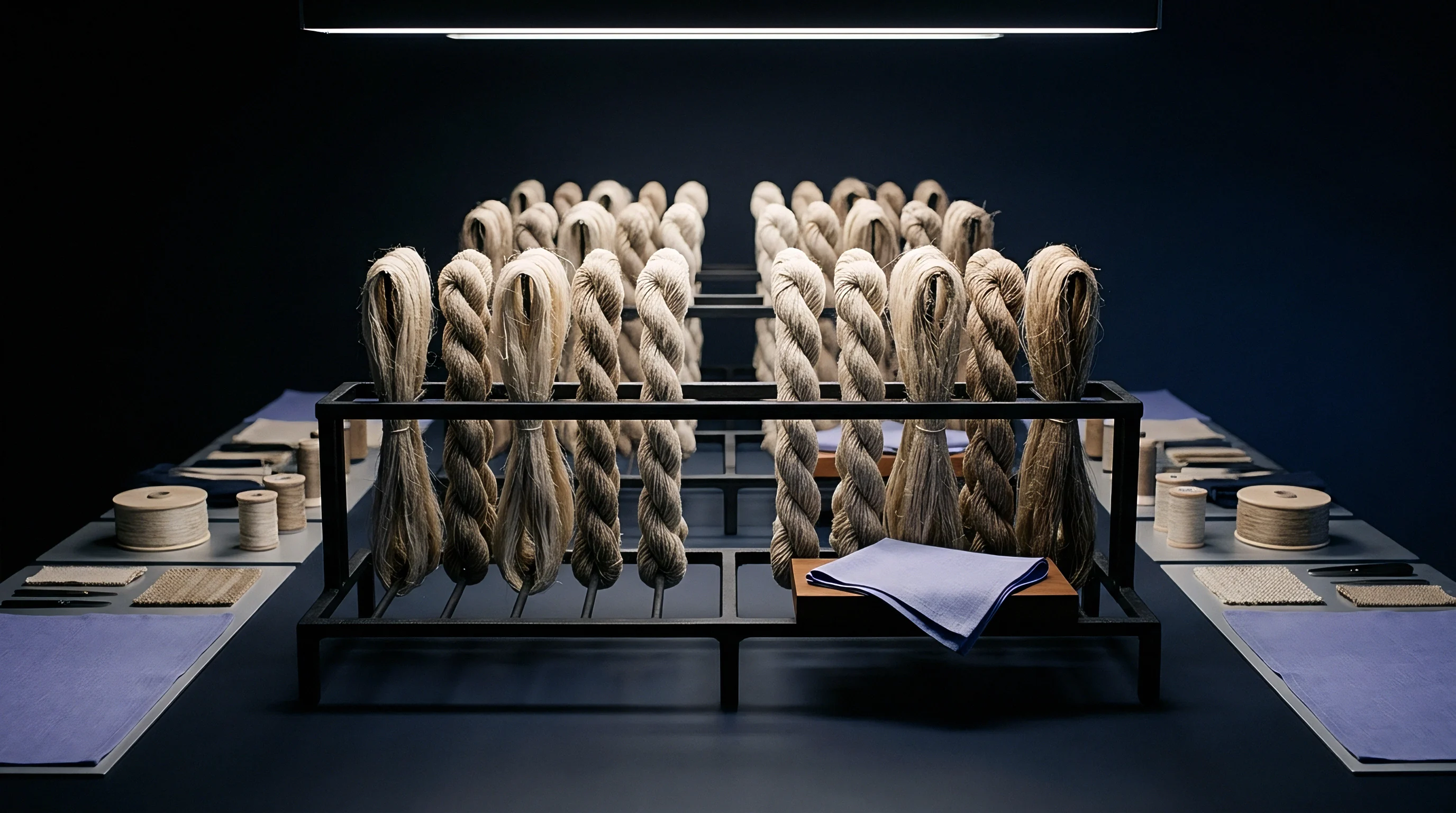
Morphological Targets for Industrial Turbine Extraction
Physical variations in flax stalks entering a mechanical scutching plant dictate long-fiber recovery long before stems reach the turbine rollers. Harvested stems averaging between 800 millimeter and 1,000 millimeter in height yield optimal continuous long fiber. Mid-stem diameter governs mechanical resistance through the breaker rollers: stems measuring between 1.5 millimeter and 2.2 millimeter carry the right ratio of cortical tissue to woody core, allowing complete shive detachment without snapping prematurely.
Root-end alignment across a harvested swath directly drives turbine gripping efficiency. If cutter bars or pulling belts deposit stalks with root ends misaligned by more than 50 millimeter, the turbines cannot maintain uniform clamping pressure along the stem length. These misaligned stalks slip through the scutching aprons, turning potential long fiber into low-value tow and waste.
Branching height is just as critical. Industrial fiber cultivars must show no lateral branching within the lower 700 millimeter of the stalk, where seed-head branching disrupts fiber bundle continuity and creates uneven wall thickness in the bast region.
| Physical Stem Attribute | Optimal Intake Specification | Sub-Optimal Parameter Range | Scutching Yield Impact |
|---|---|---|---|
| Stalk Length | 850 mm to 950 mm | Less than 650 mm | Long-fiber yield drops by 35 percent due to clamp slippage |
| Mid-Stem Diameter | 1.5 mm to 2.0 mm | Greater than 2.8 mm | Coarse fiber bundles; shive adhesion increases by 18 percent |
| Root-End Deviation | Under 25 mm variance | Greater than 60 mm variance | Tow output increases by 8 percentage points relative to long fiber |
| Lodgement Defect Rate | Zero bent stems | Greater than 12 percent bent stems | Turbine blade wrapping; machine downtime increases by 22 percent |
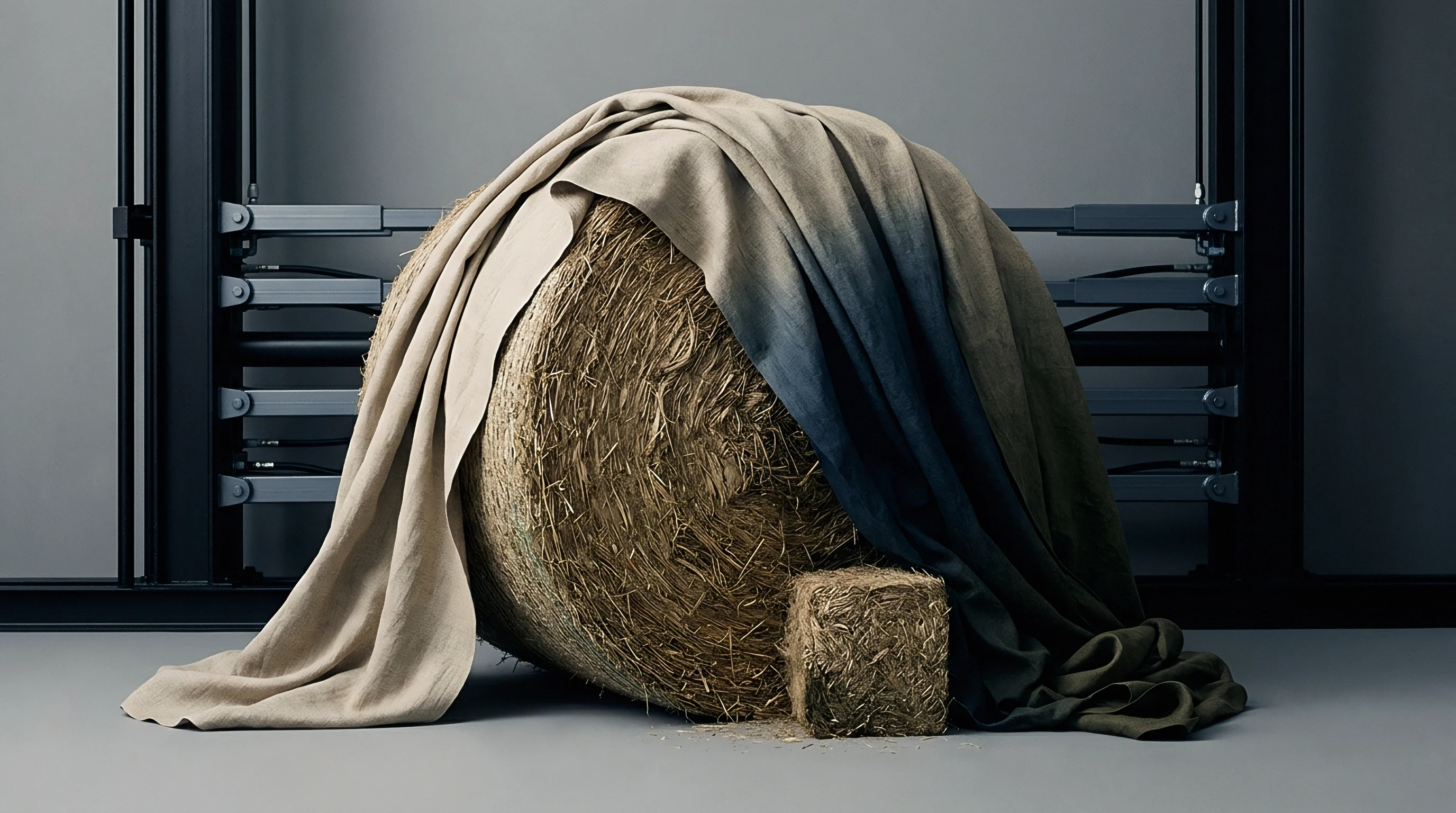
Stem Curvature and Mechanical Processing Hazards
Lodged crops yield stalks with permanent bends exceeding 30 degrees from the main axis, making it hard to align them parallel on the scutcher feed table. Passing through breaker rollers, these curved stems experience uneven compression that crushes the central xylem without cleanly fracturing the outer phloem shell. The resulting ribbon fragments resist separation during beating, leaving high concentrations of un-scutched stem sections in the final output.
Stalks exceeding 2.5 millimeter in diameter develop thickened cell walls in the woody core. Shattering this tougher core takes higher mechanical energy, sending mechanical shock straight into the bast fiber ribbons. The fibers break at structural weak points, converting high-value long flax into short, disorganized fibers.
To protect line throughput, sourcing specifications set strict limits on stem diameter variance across every incoming lot.
Field trials show stem diameter variations above 0.5 millimeter across a single bale increase scutching fiber breakage by 14 percent under standard turbine speeds.
Batches containing more than 15 percent lodged or severely bent stems face mandatory price deductions or outright rejection at the scutcher intake gate.

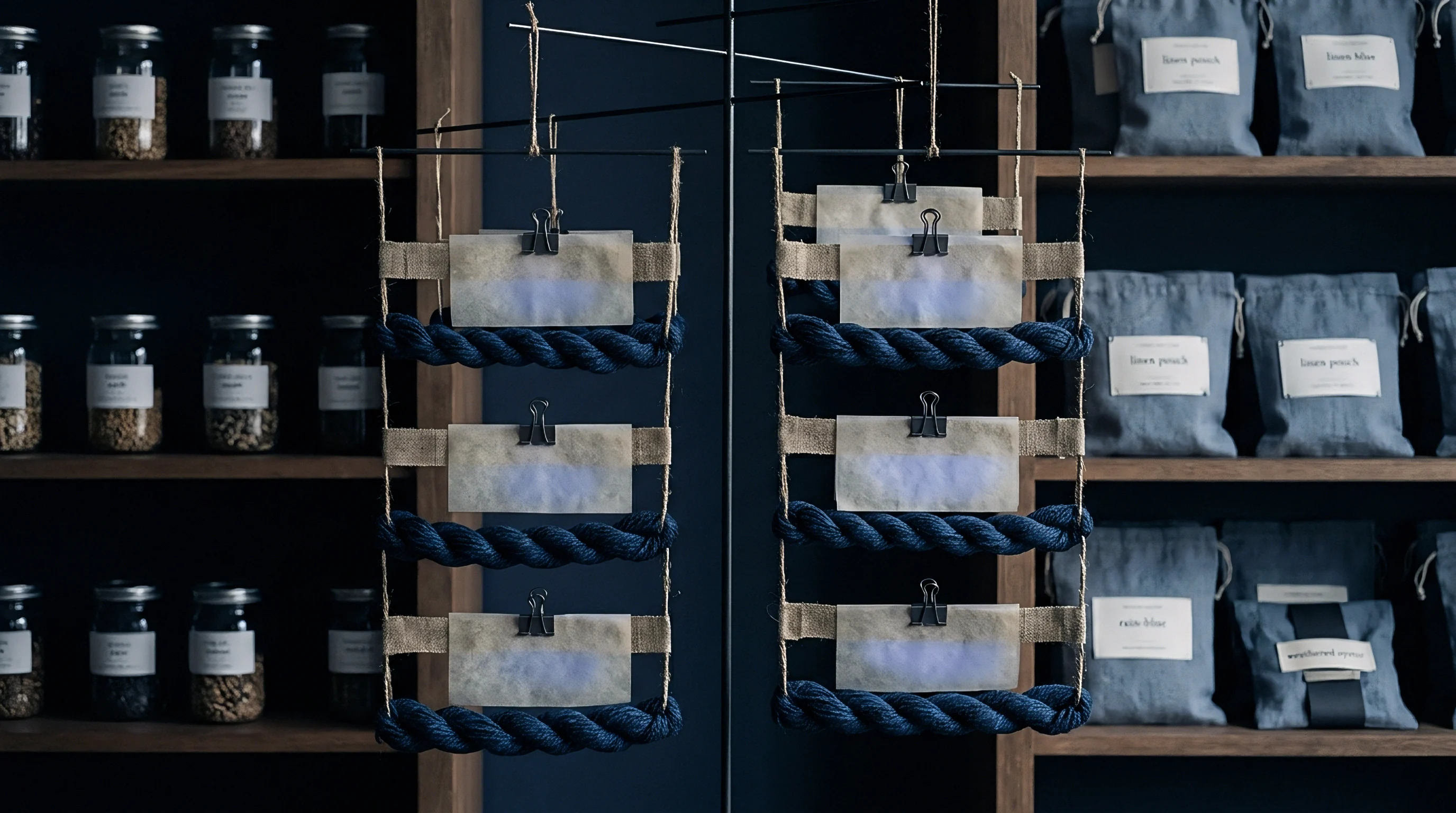
Retting
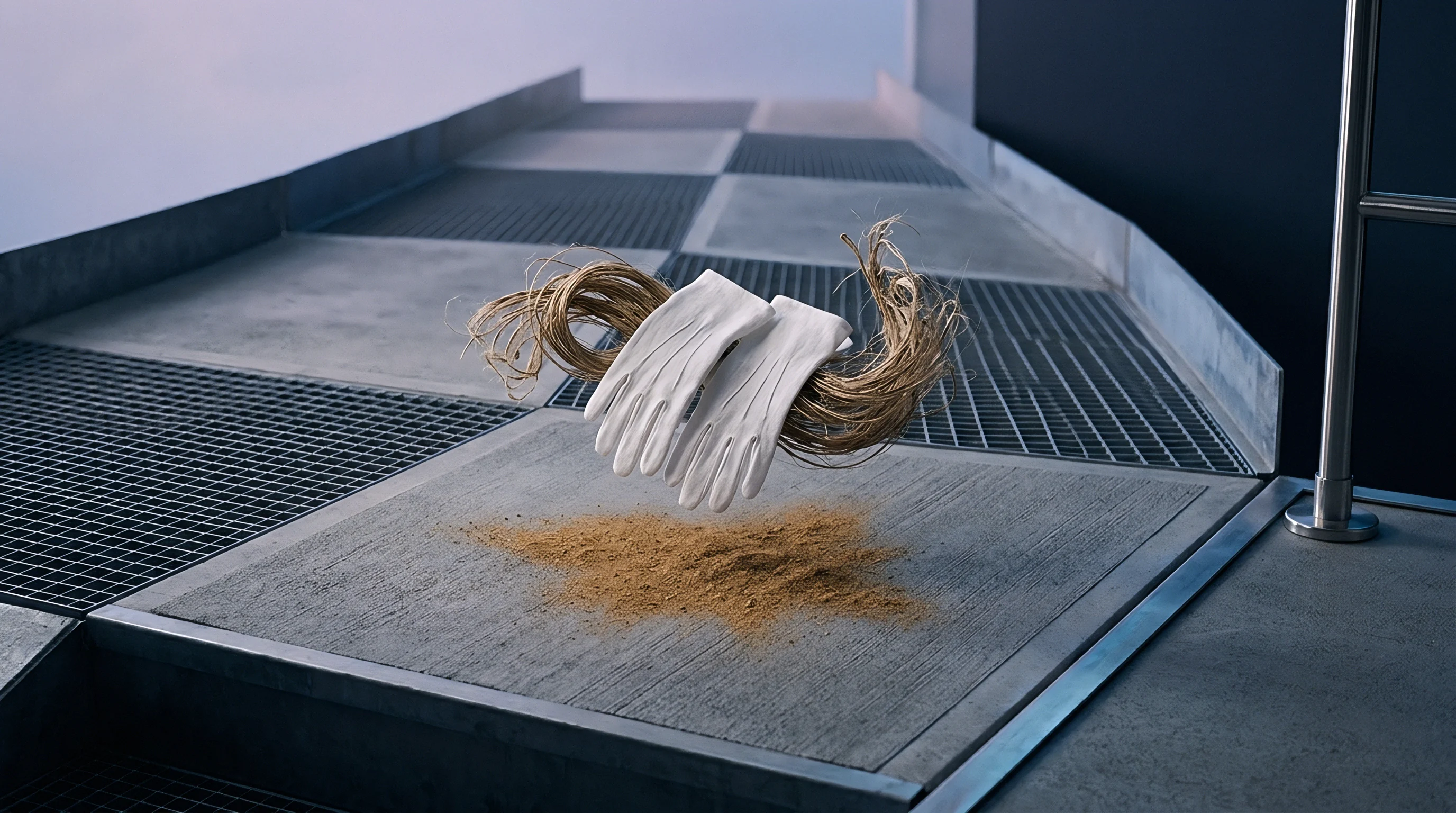
Fungal Colonization and Enzymatic Pectin Breakdown
Dew-retting relies on indigenous saprophytic fungi to digest the middle lamella cementing bast fiber bundles to the woody core. Fungi such as Cladosporium herbarum and Aureobasidium pullulans secrete polygalacturonase enzymes that degrade calcium pectinate complexes within stem tissue. Tracking this biological breakdown means monitoring color shifts alongside stem cohesion: raw straw turns from golden yellow to silver-grey as fungal mycelia colonize the outer epidermis.
Under-retted straw retains un-degraded pectin, keeping bast fibers stuck to the shive core. Over-retting happens when fungal activity moves past the middle lamella and starts hydrolyzing cellulose polymers in the primary fiber walls. That cellulolytic action lowers single-fiber tensile strength, causing heavy fiber breakage when beating starts.
Operators use standardized manual and mechanical tests to pinpoint the end of field retting before baling starts.
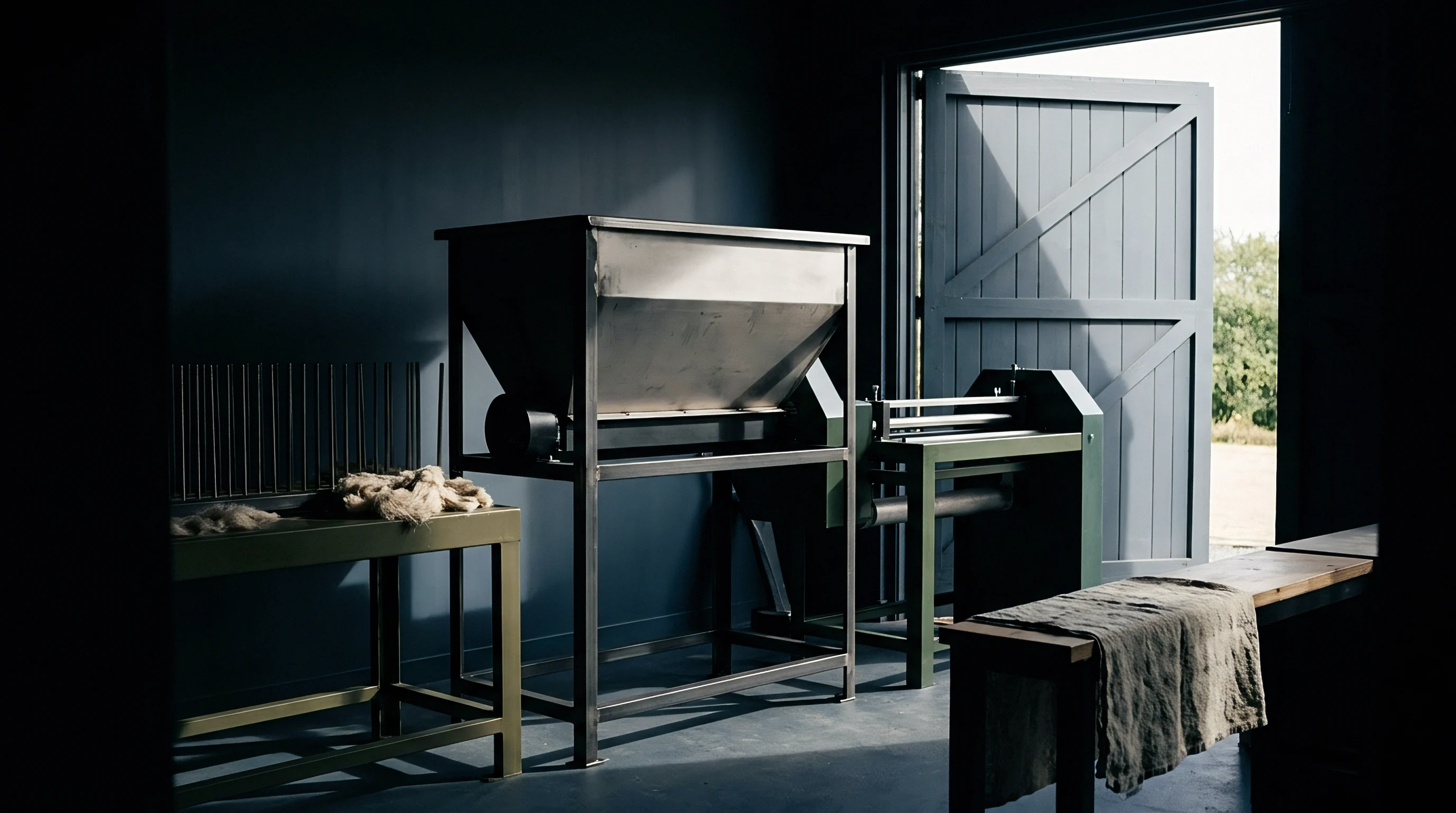
Where Does Field Retting Diverge from Factory Mechanical Scutching?
Field retting depends entirely on ambient humidity, rain, and temperature swings, creating wide variations along a single swath. Scutching turbines, however, rely on fixed mechanical clearances and set beating speeds designed for uniform material. When inconsistent straw hits a high-speed line, under-retted stem sections hold onto shive while over-retted portions crumble into waste tow.
- Fried Test Scoring measures fiber release by manually stripping bast ribbons from five random straw samples soaked in distilled water at 20 degrees Celsius.
- Colorimetric Spectrophotometry reads CIE L a b coordinates across straw stem surfaces, setting a threshold where an L value below 42 signals advanced over-retting.
- Bark Release Force Index measures the peak load in Newtons required to peel a 50 millimeter phloem strip from the woody stem using a calibrated benchtop tensile analyzer.
- Stem Flexural Rigidity measures the force needed to deflect ten parallel stalks across a fixed span, linking stem stiffness directly to remaining pectin concentration.
Properly retted straw strikes a balance: bark release force drops below 1.2 Newtons while fiber bundle tensile strength stays above 45 Centinewtons per tex. Reaching that window requires close monitoring of field conditions right up to baling.
Raw straw contracts specifying European Flax compliance reject batches exhibiting an average bark release force exceeding 2.0 Newtons due to excessive shive retention.
Field retting has to stop as soon as stem pectins dissolve enough to free the fiber bundle, before fungal hyphae penetrate the secondary cell wall.


Moisture

Equilibrium Windows and Mechanical Fiber Damage
Water content in raw straw determines how stem tissue handles impact inside the scutching turbine. Below 11 percent moisture, stems turn brittle and both bast fibers and woody core snap under the breaker rolls. That breakage ruins long-fiber length while producing dense clouds of fine dust that clog plant filtration systems.
Dry straw also generates static along transport belts, causing fibers to tangle.
Above 16 percent moisture, straw becomes too elastic to allow the crisp core fracturing needed for clean shive removal. Damp shive fragments flatten under roller pressure instead of shattering, clinging to the fiber bundles. Processing wet straw yields heavy, dirty long fiber that fails purity standards and risks molding inside dense storage bales.
| Straw Moisture Content Range | Physical State of Stem Tissues | Scutching Processing Result | Commercial Weight Adjustment |
|---|---|---|---|
| Below 10.5 Percent | Severely brittle phloem and core | Excessive fiber snapping; low long-fiber yield | Invoiced mass scaled up to 12 percent baseline |
| 11.0 to 14.5 Percent | Optimal viscoelastic response | Clean core fracture; maximum long-fiber extraction | Standard invoice billing weight (12 percent commercial regain) |
| 15.0 to 17.0 Percent | High elasticity, tough shive adhesion | Incomplete shive separation; high residual trash | Invoiced mass discounted down to 12 percent baseline |
| Above 17.5 Percent | Saturated stem; high mold risk | Severe turbine clogging; fiber tearing | Automatic lot rejection at intake weighbridge |

Intake Sampling and Commercial Weight Corrections
Receiving inspections rely on dielectric core probes driven into multiple points on each incoming bale. Measuring electrical capacitance across the bale profile reveals hidden wet spots from uneven field drying. Because flax straw readily absorbs and releases atmospheric water vapor, trade transactions convert all mass to a standard moisture regain baseline of 12 percent of dry mass.
When intake testing shows moisture between 14 percent and 17 percent, plants accept the shipment only after applying an immediate mass deduction to the weighbridge total. Loads carrying wet spots above 18 percent are turned away at the dock. High internal moisture triggers rapid microbial heating, pushing core temperatures in stacked bales above 55 degrees Celsius within 48 hours and degrading cellulose before processing even starts.
Standard scutching delivery terms mandate that delivered weights be adjusted mathematically to a 12.0 percent moisture baseline using calibrated dielectric probe averages across ten core points per bale.
Contracts specify that any lot delivered above 16 percent moisture allows the buyer to apply a 2.5 percent processing surcharge per extra moisture percentage point alongside the dry-weight deduction.


Grades
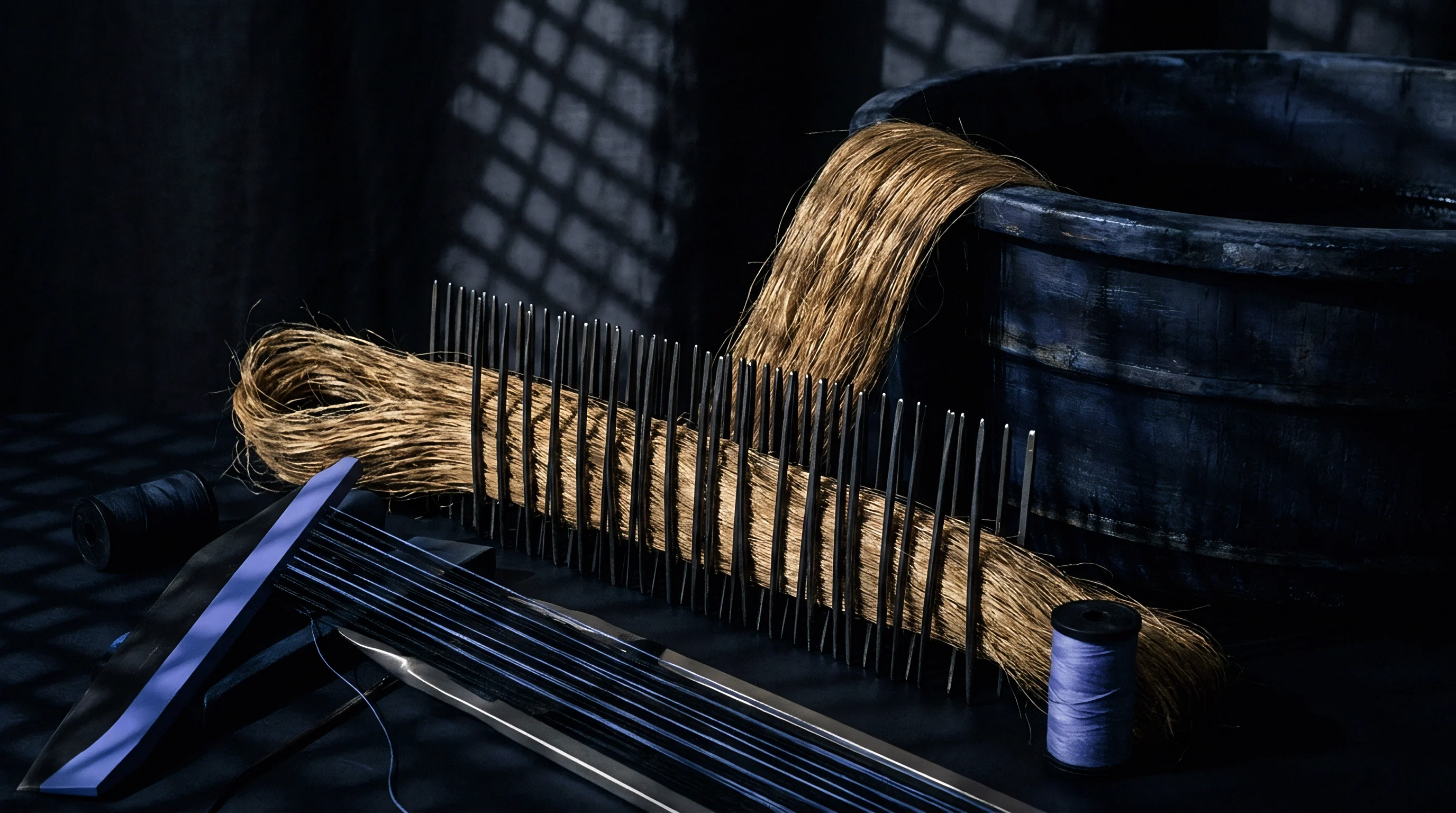
Visual Scoring and Laboratory Teillage Targets
Raw flax classification separates incoming material into distinct quality bands that determine purchase price and processing parameters. Initial visual inspection checks stem consistency, color uniformity, retting quality, and weed content. French and Belgian standards define formal grading tiers based on projected long-fiber yield, known as laboratory teillage percentage.
Evaluators pull samples from harvested swaths and run them through standardized mini-turbine tests before commercial scutching begins.
Assessing straw quality relies on structural markers evaluated under controlled laboratory conditions. Standard laboratory teillage follows a set sequence to determine incoming quality tiers:
- Extract a 2.5 kilogram straw sample from five points across the delivered batch, keeping root ends manually aligned.
- Condition the sample at 20 degrees Celsius and 65 percent relative humidity for 24 hours to stabilize moisture at 12 percent.
- Pass the conditioned sample through a calibrated five-pair breaker roll assembly at a constant feed rate of 0.5 meters per second.
- Run fractured stems through a mini-scutching turbine operating at 220 revolutions per minute with a blade-to-apron clearance of 1.8 millimeters.
- Weigh the recovered long fiber on an analytical balance to calculate long-fiber yield as a mass percentage of initial dry straw mass.
- Inspect recovered long fiber under magnified light to score residual shive against reference photo standards.
Grade 1 straw yields over 26 percent long fiber in laboratory testing with minimal remaining shive. Grade 2 straw yields between 21 percent and 25 percent long fiber, representing standard commercial stock for apparel yarns. Grade 3 yields under 20 percent long fiber or shows severe discoloration, steering material to short-fiber lines for technical textiles or non-woven industrial mats.
Field retting variations across a single farm parcel can shift long-fiber extraction potential by up to six percentage points between top and bottom swath layers.
High shive content often stems from early harvesting forced by rain before field retting finishes.

Bale
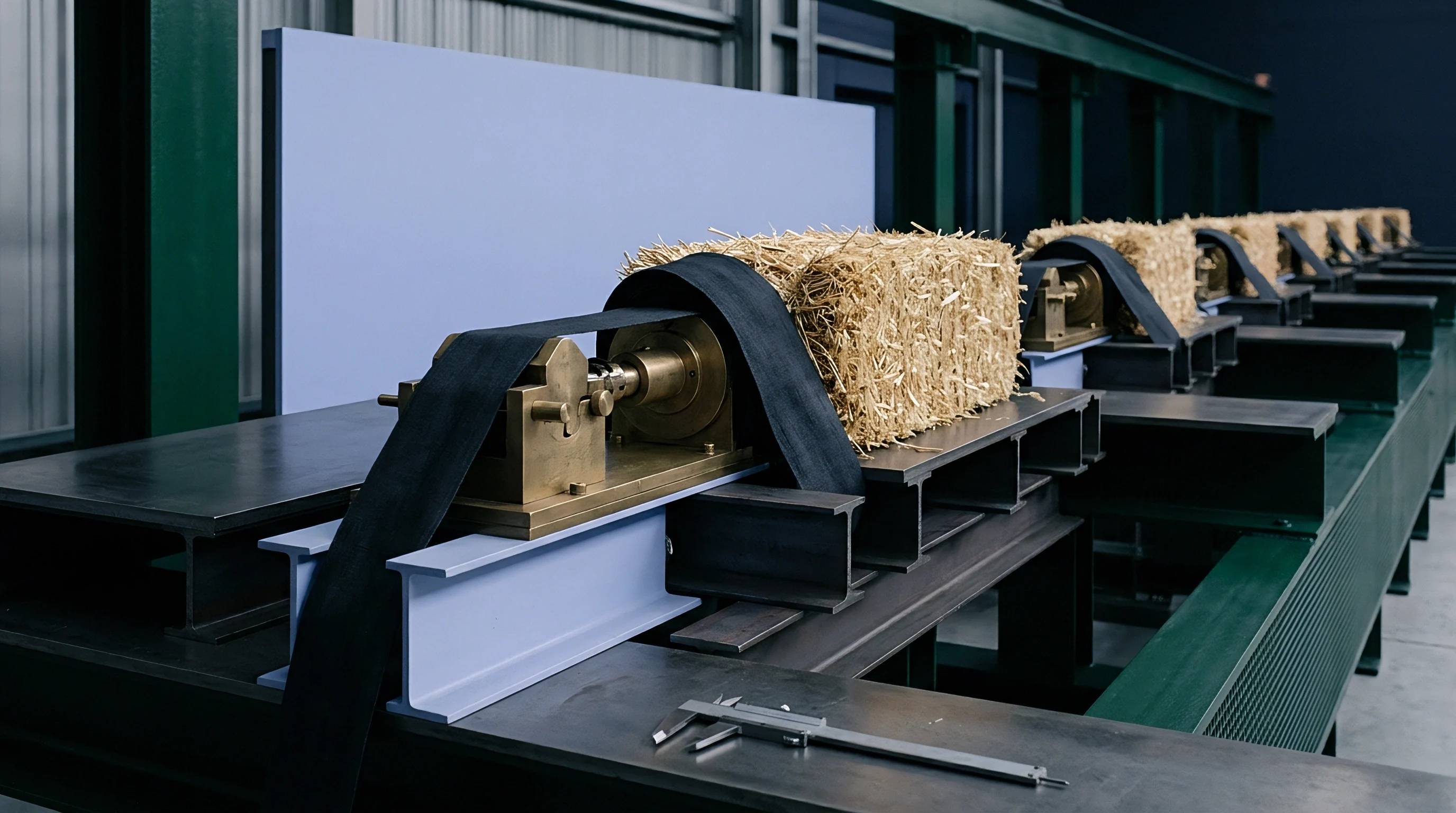
Compaction Mechanics and Straw Integrity
Baling packages loose field swaths into dense units for transport, storage, and automated feeding. Round and rectangular high-density bales behave differently on unrolling lines. Rectangular bales packed between 180 kilogram per cubic meter and 220 kilogram per cubic meter preserve stem alignment much better than round bales.
Going above 240 kilogram per cubic meter crushes stems, creating micro-fractures in the phloem and weakening fiber bundles.
Twine tension must maintain bale shape without cutting into outer straw. Synthetic polypropylene twines create serious contamination risks: stray plastic fibers pass through scutching into carding and spinning, causing thread breaks and dyeing defects downstream. Processing plants increasingly require natural sisal or flax twines, or install automated de-twining systems at the line intake to strip bindings cleanly before de-baling.

Intake Inspection Protocols for Scutcher Feed Tables
Intake quality assurance uses a strict inspection sequence before accepting bales into warehouse storage. Inspectors check every lot to keep damaged or contaminated straw off production lines.
- Core Moisture Verification inserts dual-needle conductivity probes 400 millimeters into four core vectors per bale to detect hidden wet pockets.
- Visual Foreign Matter Audit checks bale exteriors for dirt, plastic fragments, weed seeds, or tramp metal from field machinery.
- Stem Length Uniformity Sampling pulls 50 stalks from three internal layers to verify length distribution against turbine clamp settings.
- Fungal Mold Radius Inspection examines internal core surfaces for white or black fungal mats indicating active decay and heating.
Failing a single test sends the lot to an exterior quarantine bay for secondary laboratory analysis. Moisture variation remains the main reason for intake rejections across European scutching plants.
Compaction differences between mixed round and square bales directly alter the feed speeds required to keep turbine loading uniform.

Valuation

Commercial Price Adjustment Formulas and Yield Arithmetic
Landed straw pricing ties directly to lab-verified long-fiber yield, moisture adjustments, and foreign matter deductions. Contracts typically set a benchmark yield of 24 percent long fiber at 12 percent moisture regain. Deviations from these reference figures adjust the final invoice price per metric ton using a standard formula.
Take a 30-metric-ton delivery arriving at a scutching plant. The contract sets a base price of 450 Euros per metric ton for Grade 2 straw, tied to a baseline yield of 24.0 percent long fiber and 12.0 percent moisture. Intake testing reveals 14.2 percent moisture, a laboratory teillage yield of 21.5 percent, and 2.8 percent foreign matter against an allowable 1.0 percent limit.
The moisture factor converts gross mass to dry equivalent weight: 30 tons multiplied by (100 minus 14.2) divided by (100 minus 12.0) gives a corrected weight of 29.25 metric tons. The yield penalty reduces the base price: at 21.5 percent, yield falls 2.5 percentage points short of the 24.0 percent baseline. A contractual penalty of 2.0 percent per 1.0 percent yield deficit reduces the base price by 5.0 percent, lowering payable value from 450 Euros to 427.50 Euros per ton.
Foreign matter exceeding tolerance by 1.8 percent triggers a direct mass deduction of 0.526 metric tons. Payable mass drops to 28.724 metric tons at 427.50 Euros per ton, settling at 12,279.51 Euros against the baseline valuation of 13,500.00 Euros.
Traceability programs like European Flax require every incoming bale to carry a weatherproof field tag linking material to its farm parcel, harvest date, and variety code. Plants verify these physical tags against digital manifests before processing, keeping untagged or non-compliant straw out of certified supply chains. Intake classification data feeds straight into trade settlement, establishing the baseline yield and quality metrics that govern yarn pricing and fabric guarantees across the linen market.