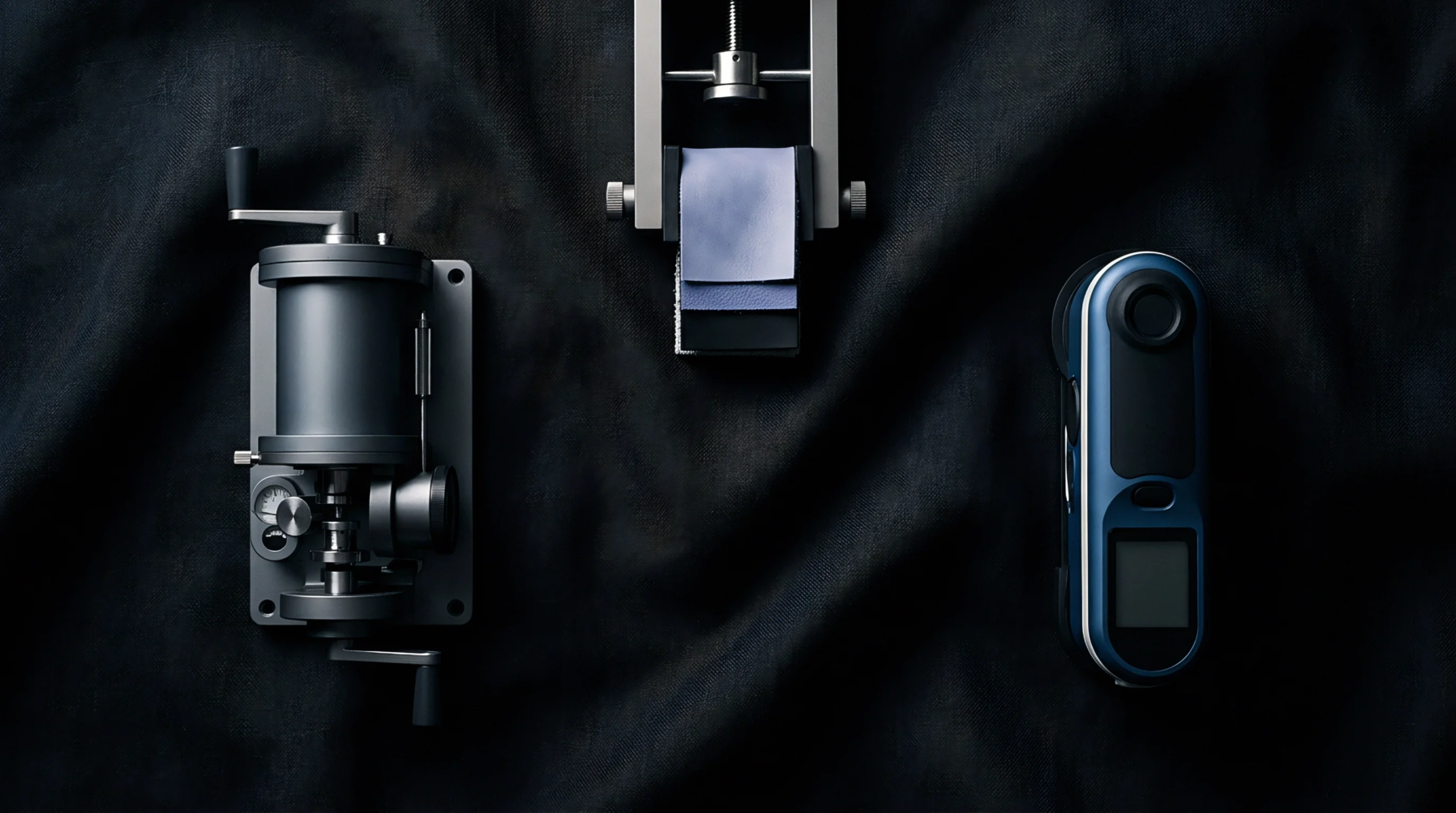
Mechanical Tension
Wet spinning drafting operates inside Chinese flax preparation mills during the wet spinning stage, where mechanical drawing rollers exert positive speed differentials upon continuous linen slivers to align cellulose microfibrils before yarn formation. Mill operators regulate this fiber attenuation precisely within the fluid bath to prevent filament rupture while achieving required linear mass reduction. Buyer acceptance criteria govern the resulting strand regularity and tensile strength, separating acceptable intermediate rovings from rejected material before final packaging.
Production managers consult standard mill quality logs to verify that operational speeds match specified linear density targets.
Fiber Attenuation
Roller pairs rotate at progressively higher peripheral velocities along the processing line, stretching the softened plant material as it emerges from warm water immersion tanks. Raw flax stock contains natural pectins that soften during thermal conditioning, permitting the sliver to extend under controlled pulling forces without sustaining structural damage. Subsequent drying phases stabilize the attenuated strand geometry prior to bobbin winding, ensuring consistent physical characteristics across commercial export consignments.
Mill laboratories record these mechanical stretch ratios alongside ambient bath temperatures to maintain strict production traceability.
Yarn Classification
Final product inspection separates individual fiber grades from finished fabric specifications by measuring linear density deviations and hairiness indices on sampled bobbins. Mill standards establish internal tolerances for breaking length and twist uniformity, whereas commercial purchase contracts define the broader limits permitted for international shipment. Quality inspectors document these classification parameters inside official technical dossiers accompanying every outgoing container of linen yarn.
Continuous monitoring of attenuation parameters prevents localized thinning defects that would otherwise compromise downstream weaving operations.