Shed Mechanics
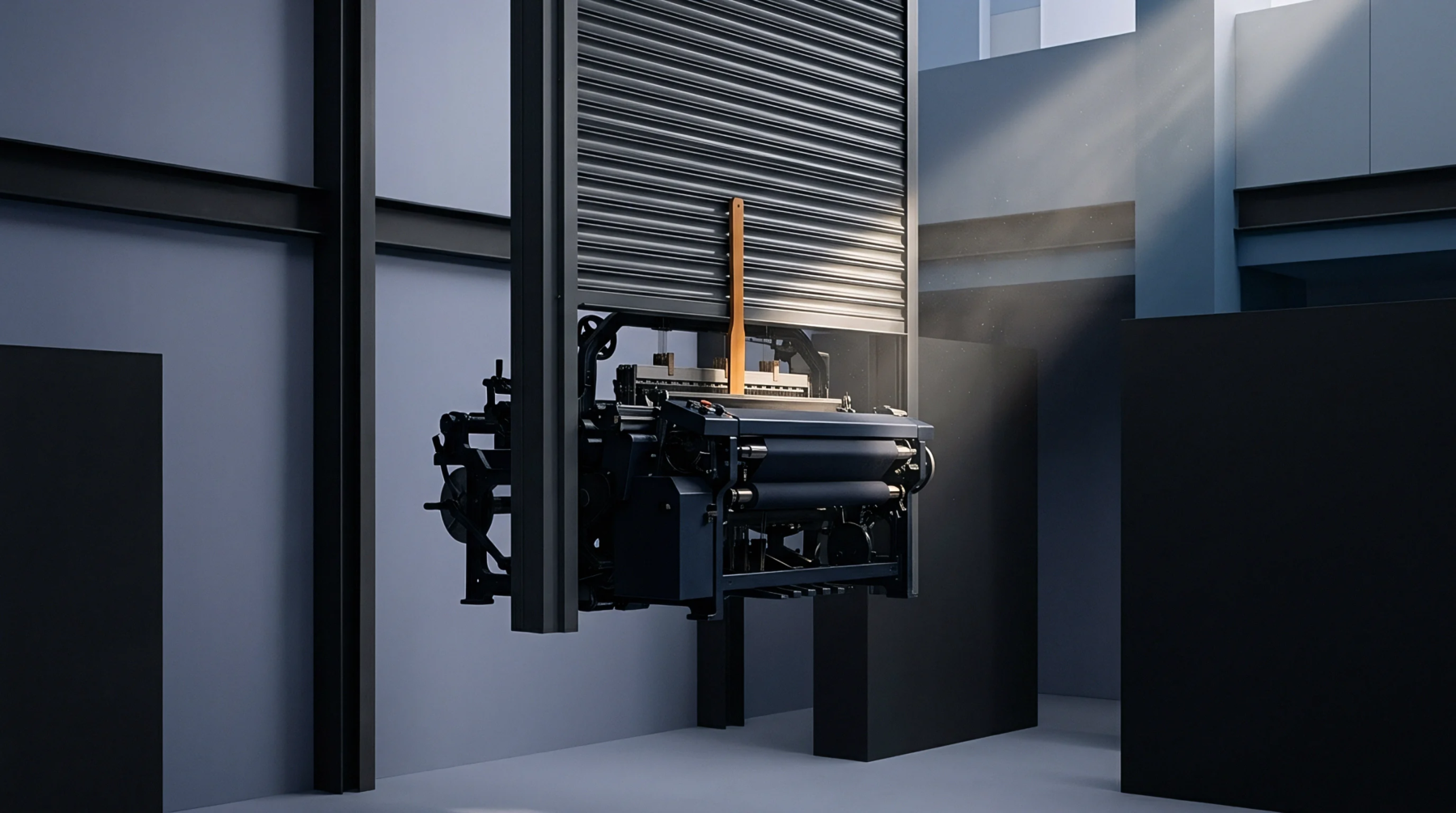
Mechanical drop wires act as miniature fault detectors inside the high speed harness motion during flax yarn fabrication. Warp break detector drop wires suspend individually upon each parallel end within the loom frame, where gravity holds the conductive lamellae pendant above an isolated electrical contact bar. Tensile resistance of the running yarn keeps the individual element elevated during normal shedding cycles, preventing circuit closure until a strand snaps or slacks past acceptable tolerances.
Low humidity inside regional weaving sheds can cause electrostatic charges that impede the free fall of suspended laminations, resulting in false loom stoppages during fine linen production runs.
Circuit Integration
Electrical continuity through the fallen lamella completes a low voltage control loop that halts the loom motor before the broken filament tangles into the adjacent warp lines. Control panels register the specific drop wire position across the reed width, allowing operators to locate the faulty yarn end quickly within the dense reed dent distribution.
Operational Boundaries
Production inspectors verify circuit sensitivity during pre loom setup audits to ensure that heavy yarn counts do not cause premature wire drop or light counts fail to trigger actuation. Calibration standards require steady contact pressure across the entire harness matrix, distinguishing genuine yarn fractures from harmless harmonic vibrations generated by the mechanical drive shaft. Factory supervisors record daily stoppage counts in the production log to evaluate raw material consistency against export grade cloth requirements.