Fibre Classification
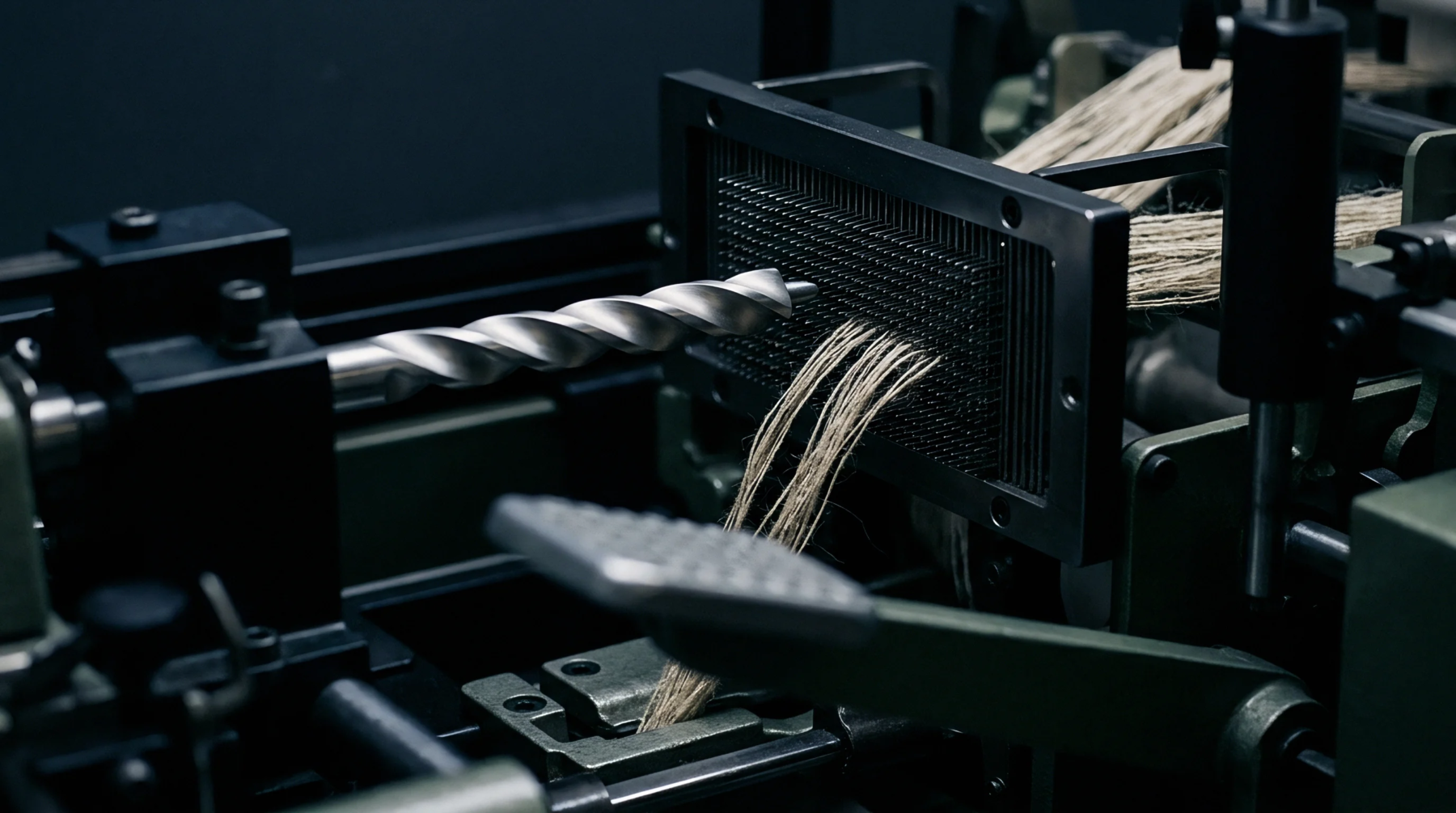
Short flax residues discarded during the initial mechanical separation of long line linen represent the raw state of unhackled tow. This material consists of a tangled mass of woody shives and short fibre bundles that lack the uniform orientation required for high grade spinning. Producers identify the substance by a distinct lack of combing, which distinguishes the product from line fibre prepared for fine yarn production.
Technical specifications for the material focus on the ratio of vegetable matter to usable cellulose.
Processing Mechanics
Machines perform the primary sorting at the scutching stage to separate loose fibres from the stem of the flax plant. The mechanical action leaves this material as a byproduct that accumulates beneath the beating blades. Mill operators collect the mass to determine the feasibility of secondary processing or lower grade carding.
Workers monitor the accumulation rates to assess the efficiency of the primary scutching line. Variability in the thickness of the initial flax crop directly alters the percentage of recovery found at this point in the facility.
Quality Verification
Acceptance parameters for the material rely upon visual inspection protocols that evaluate color and contamination levels. Buyers verify the cleanliness of the batch before authorizing shipment for heavy twine or coarse cordage manufacturing. Mills assign different internal codes based on the amount of embedded woody particles found within the bulk mass.
Standardized testing for tensile strength provides a baseline for comparing different batches acquired from various scutching operations. Uniformity of the fibre length determines the final valuation of the lot in the global market.