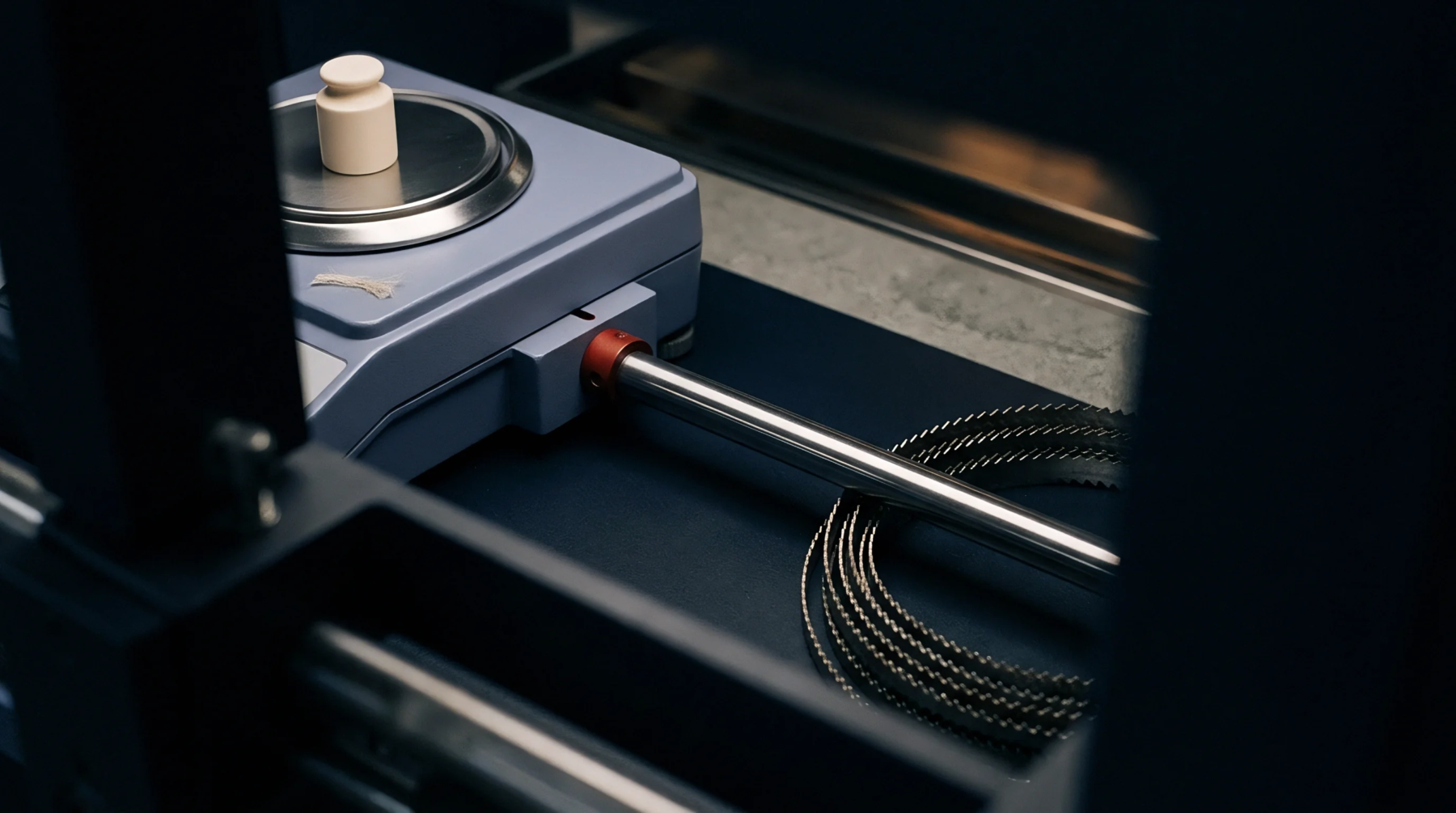
Fixture Tensioning
Mechanical holding devices secure flax fiber rovings during wet spinning operations in Chinese linen mills. The tungsten carbide clamp applies uniform pressure along the drafting zone to prevent slippage while high friction coefficients withstand abrasive wet processing conditions. Hardened jaws maintain consistent clamping forces despite constant moisture exposure from water baths.
Production quality sheets record these mechanical tolerances in daily equipment logs.
Hardness Specification
Material composition requirements dictate tungsten carbide clamp performance standards across high speed textile machinery. Cobalt binders hold the tungsten carbide particles together to form wear resistant tool tips that resist chemical degradation from acidic retting residues. Microstructure analyses verify that binder volume fractions remain within specified limits to avoid premature cracking under cyclic loads.
Mill engineers measure Vickers hardness values against international metallurgical benchmarks before approving replacement components for active spinning frames.
Operational Wear
Maintenance technicians evaluate surface degradation on tungsten carbide clamp profiles during scheduled mill shutdowns. Abrasive flax fibers gradually erode clamping surfaces over thousands of operating hours, which alters the grip geometry and causes roving breakage. Technicians replace worn components when dimensional tolerances exceed maximum allowable wear thresholds defined in internal mill standards.
Buyer acceptance audits check finished linen yarns for defects caused by inconsistent drafting tension originating from degraded hardware.