Roller Compression
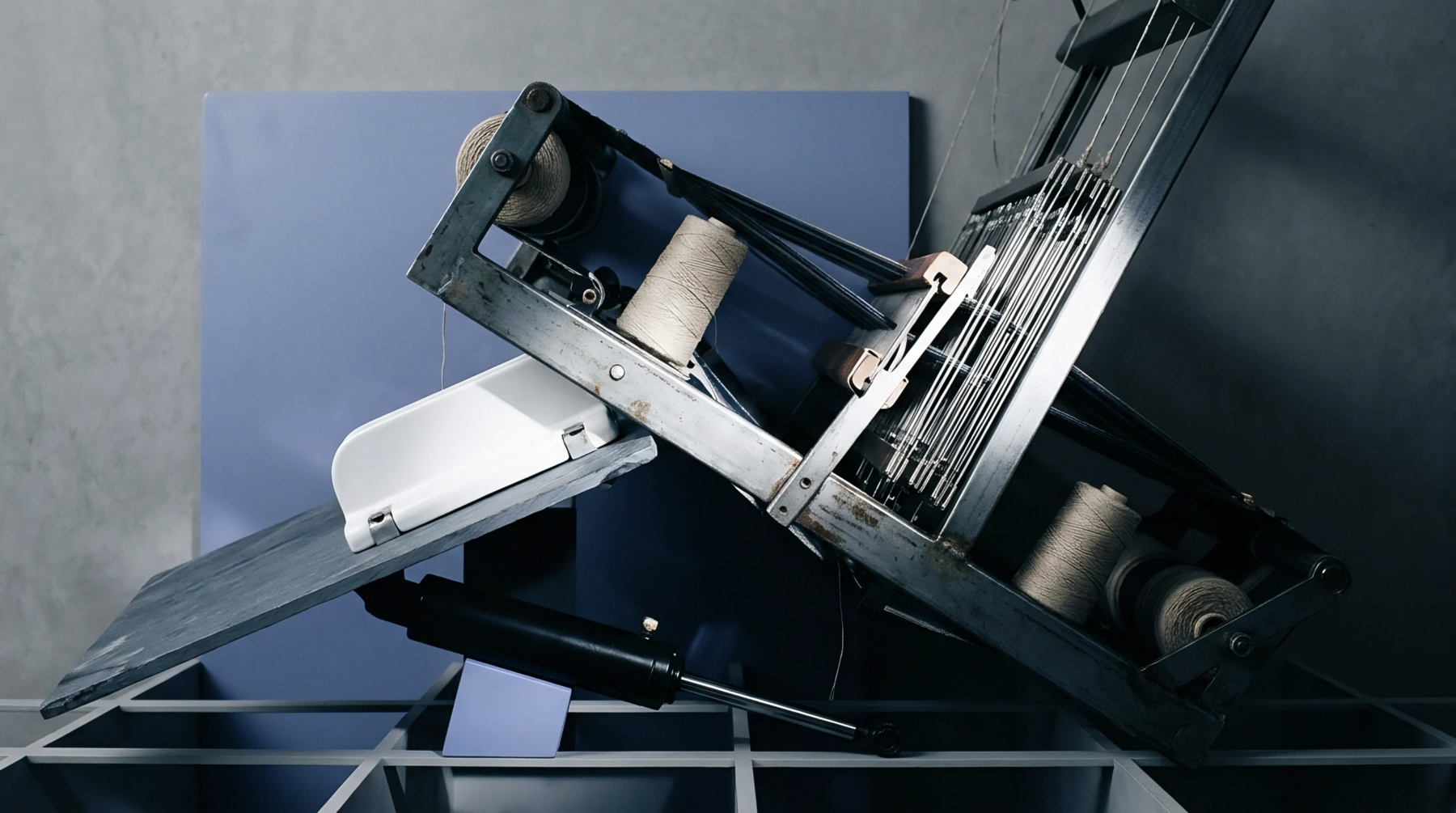
Liquid drainage during wet processing of linen fabrics depends heavily on squeeze nip pressure. Heavy cast iron cylinders press against elastomer covered rolls to force excess water out of the material matrix immediately after washing basins. Mechanical force overcomes capillary attraction within the damp flax yarn structure.
Hydraulic rams or pneumatic bellows apply force across the entire width of the machine frame. Operators monitor gauges calibrated in kilograms per linear centimeter to ensure uniform moisture extraction before the cloth enters the drying cylinders.
Moisture Gradient
Uneven force distribution across the heavy rolls produces moisture variations from margin to margin in finished linen sheeting. Excessive downward thrust crushes fragile cellulose fibers, while insufficient load leaves moisture pockets that cause uneven dye uptake during subsequent finishing stages. Technicians measure residual moisture content by weighing conditioned samples extracted from different positions along the fabric width.
Production logs record these measurements to verify that water retention remains below specific limits specified in export contracts.
Quality Threshold
Strict compliance with buyer requirements demands precise calibration of mechanical loading devices before processing high grade flax textiles. Mill supervisors verify hydraulic pressures against baseline standards established by international inspection bodies. Variations beyond acceptable tolerances trigger automatic shutdowns to prevent permanent fabric distortion or uneven resin penetration during permanent press treatments.
Final inspection certificates reference these pressure logs as primary evidence of manufacturing consistency.