Liquor Ratio
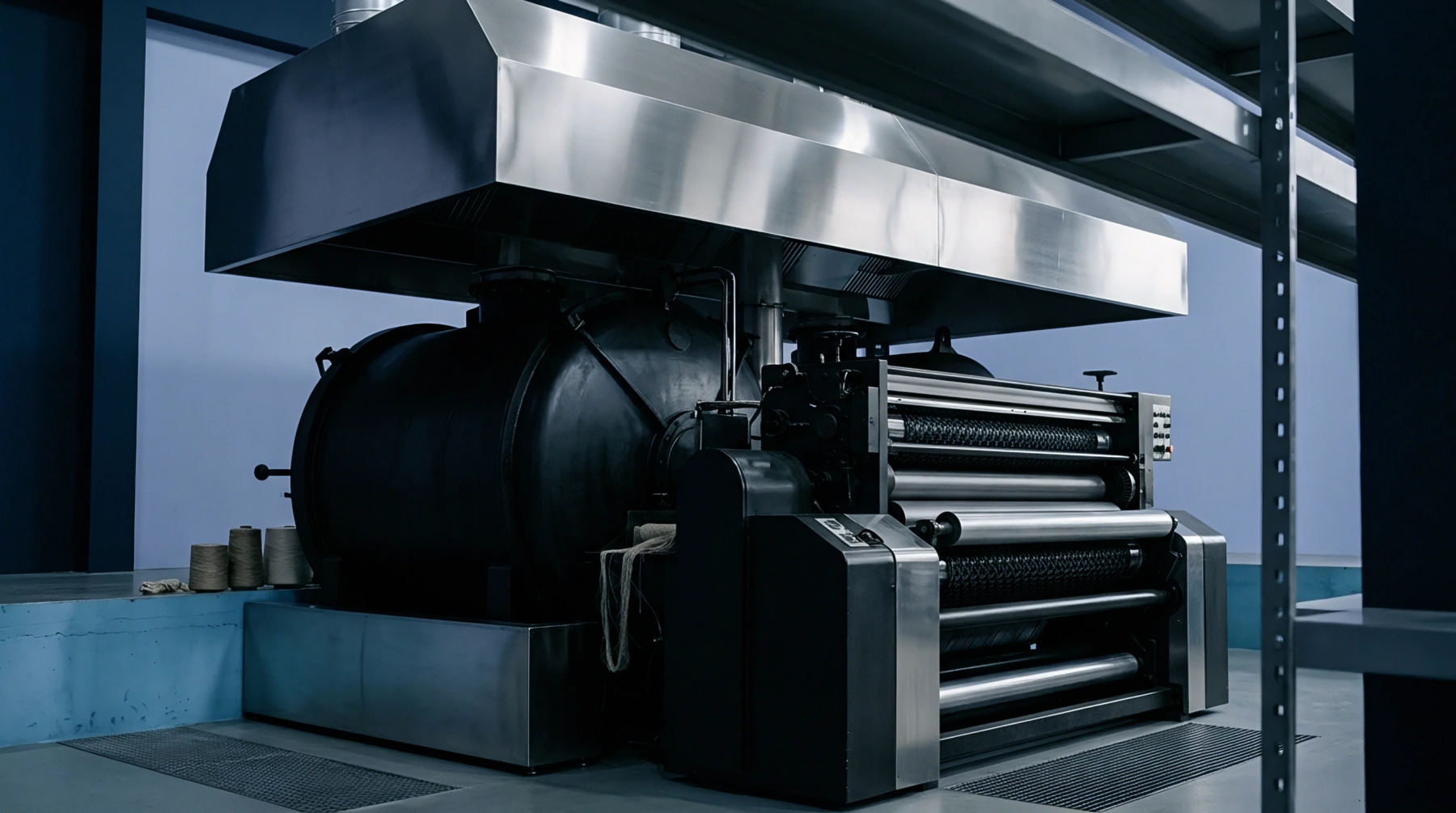
Chemical dissolution of non cellulosic impurities inside bast fibres proceeds during sodium hydroxide extraction inside pressurized vessels at elevated temperatures. Strong alkaline liquor removes hemicellulose and pectin fractions from technical flax bundles while leaving cellulose chains intact. Operators monitor active alkali concentration hourly via titration to prevent cellulose degradation within the kier.
Production supervisors record these chemical parameters on batch sheet form seven. Residual liquor drains into recovery systems before mechanical washing steps commence.
Cellulose Purity
Bast fibre preparation relies on alkaline treatment severity to determine subsequent spinning performance on ring frames. Unprocessed line flax contains substantial lignin and hemicellulose percentages that restrict inter fibre slippage during drafting. Mill quality control laboratories measure residual gum content gravimetrically after sodium hydroxide extraction concludes.
Buyer acceptance criteria demand lower impurity limits for fine yarn spinning than coarse weaving applications. Laboratory technicians log analytical outcomes inside the central mill database daily.
Alkali Recovery
Chemical management efficiency during sodium hydroxide extraction determines operating margins across wet processing divisions. Spent liquors pass through multi effect evaporators to concentrate dissolved organic solids prior to combustion. Environmental auditors inspect chemical oxygen demand levels within plant discharge streams weekly.
Mill managers utilize evaporator condensate recycling circuits to reduce freshwater consumption figures. Regulatory compliance certificates validate wastewater treatment efficacy before final effluent release.