Moisture Extraction
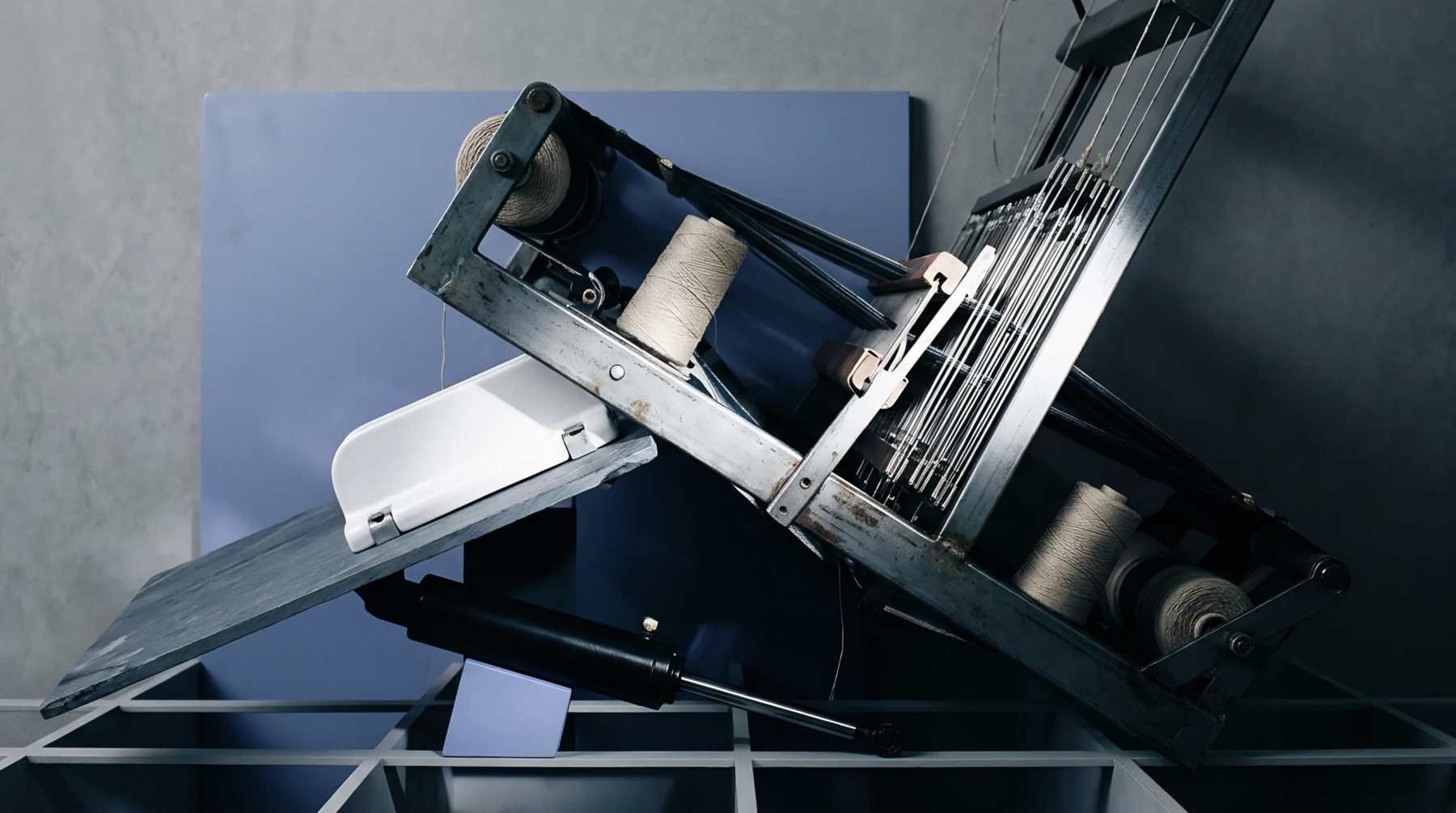
Thermal evaporation removes residual water from continuous flax rovings after wet spinning operations before yarn packages enter the high speed winding room. Steam heated drying cylinders apply direct contact heat to eliminate excess moisture from the parallel cellulose strands. This slasher drying technique prevents premature mildew formation within tightly wound bobbins during prolonged storage in humid mill warehouses across Jiangsu province.
Excessive heat application causes hemicellulose degradation inside the elementary fibres, which reduces breaking tenacity during subsequent pneumatic weaving on air jet looms. Mill technicians monitor surface temperature gradients across the cast iron cylinder bank to prevent uneven shrinkage along the ribbon edges.
Evaporation Kinetics
Heat transfer mechanics govern the rate of moisture migration from the inner core of the flax ribbon toward the heated metal perimeter. Water molecules absorb latent heat during phase change, creating vapor pressure differentials that drive moisture outward through the porous capillary structure of the linen yarn. Air velocity across the drying zone removes saturated vapor boundary layers to maintain continuous mass transfer rates.
Production supervisors adjust cylinder steam pressures according to ambient humidity readings recorded inside the wet processing hall. Condensate removal traps prevent thermal flooding inside the internal chambers, ensuring uniform drying efficiency across every operating shift.
Thermal Regulation
Temperature thresholds determine whether flax cellulose retains sufficient natural wax content for optimal lubricity during high tension mechanical handling. Overheating desiccates the pectin matrix surrounding the ultimate cells, leading to brittle fibers that snap frequently during automated bobbin creeling. Quality inspectors verify residual moisture percentages against contractual mill standards using calibrated electronic conductance meters before issuing clearance certificates for export consignment.
Strict adherence to specified cylinder surface temperatures prevents thermal discoloration of natural grey flax yarns destined for bleached damask production.