Edge Resistance
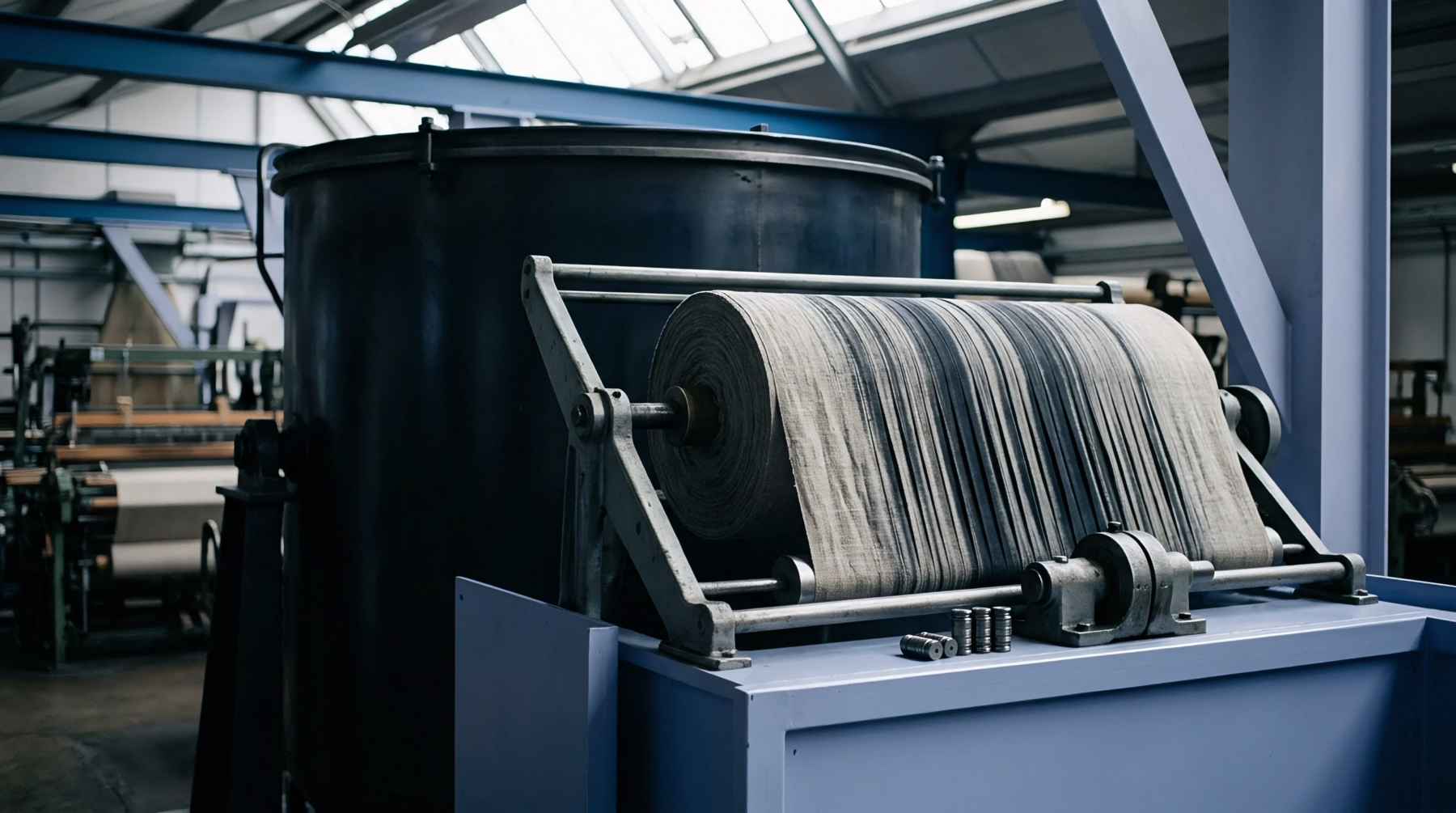
Mechanical force applied to the lateral boundary threads during fabric formation determines how uniformly individual flax yarns align across the loom. Selvage end tension controls the lateral pull exerted on outer warp yarns during shuttle passage on air-jet and rapier looms operating in provincial mills. Excessive drawing stress breaks brittle bast fibers along the outer border, while insufficient tension produces bowed edges and irregular cloth width.
Quality controllers inspect these marginal zones on raw grey goods before alkaline boiling and bleaching. Production floor inspectors record boundary stability measurements daily on the standard mill weaving log.
Border Calibration
Operating parameters require precise adjustment when transitioning from coarse handspun yarns to fine machine-prepared linen threads. Technicians regulate weights on the creel brake drums to maintain uniform draw throughout extended warping runs. Fluctuations in ambient atmospheric moisture alter relative humidity inside the shed, causing bast fibers to swell or contract unexpectedly.
Mechanical compensators automatically alter take-up speeds to neutralize environmental shifts before edge distortion occurs. Weaving supervisors verify calibration settings against buyer acceptance criteria before releasing rolls to finishing departments.
Acceptance Protocol
Final inspection protocols separate mill production standards from strict commercial purchasing tolerances defined in export contracts. Evaluators measure border warp density against certified master samples kept in temperature controlled archival vaults. Cloth exhibiting warped edges or loose lateral threads fails export categorization and remains within domestic distribution channels.
Laboratory technicians test random specimen swatches for tensile strength retention after scouring and sulfur dyeing. Border uniformity verification ensures structural integrity survives industrial garment manufacturing without premature seam failure.