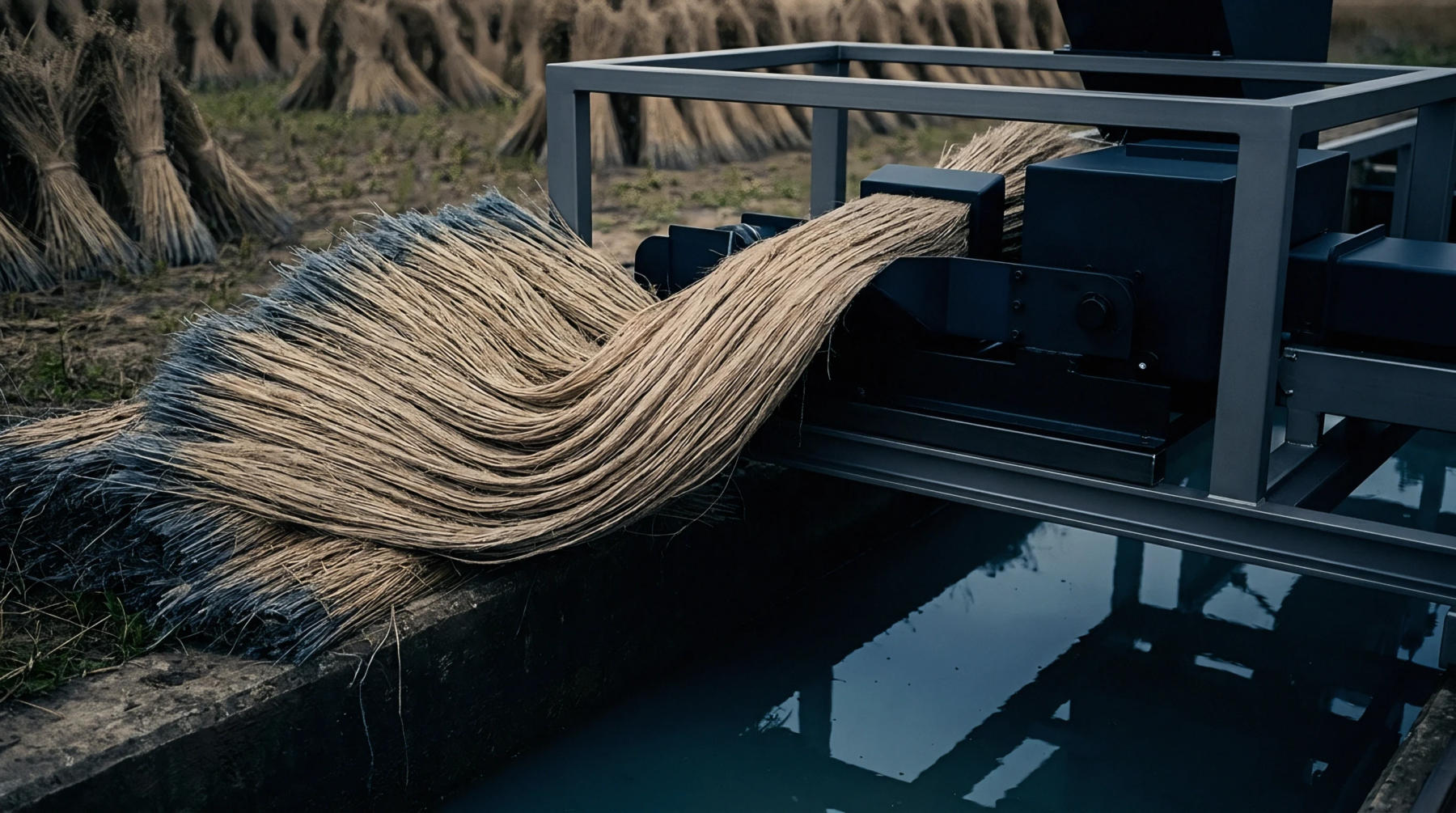
Spinning Equipment
Production machinery standards specify draft limits, spindle speed ranges, and traveller ring dimensions for mechanical yarn formation devices in textile plants. A ring spinning frame drafts roving strands to target linear density before imparting real twist to wind finished yarn onto bobbins. Continuous mechanical rotation of the spindle drives the traveller along a circular steel ring, inserting twist for every revolution around the package.
Roller drafting aprons attenuate the incoming flax roving before twist insertion stabilizes the fibre strand structure. The machine design stops short of open-end rotor spinning, as flax long staple requires continuous filament integrity and mechanical twisting rings.
Traveller Friction
Friction between the steel traveller ring and circulating traveller clip generates the winding tension required to build uniform yarn packages. High speed sliding generates heat and wear, requiring precision ring lubrication during wet long-staple flax spinning operations.
Bobbin Formation
Regulated ring rail movement builds structured cylindrical yarn packages with uniform density and unwinding tension. Fluctuations in ring spinning frame speed or traveller weight induce yarn tension spikes that cause end breaks and spindle idling. Mill maintenance teams monitor traveller wear and spindle alignment, whereas buyers test yarn twist liveliness and tenacity on laboratory strength testers.