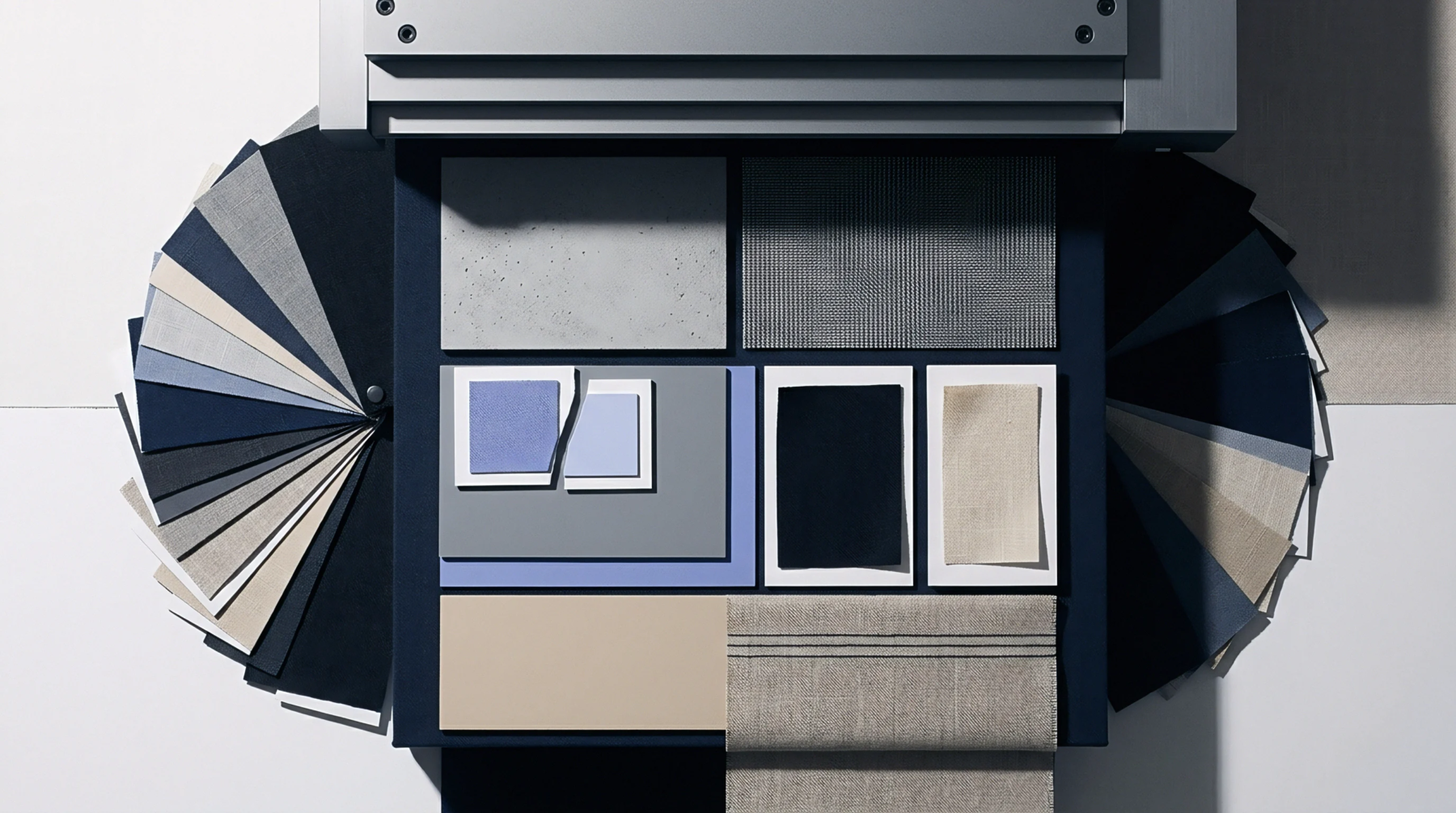
Dimensional Adjustment
Release of internal mechanical tensions accumulated during weaving and finishing causes a permanent reduction in fabric dimensions. This occurrence of relaxation shrinkage is particularly common in linen fabrics because of the high tensions applied to the warp yarns during the weaving process. This dimensional change occurs during the very first immersion in water, when the fibers return to their unstressed state.
Physical Cause
Stretching of the yarns occurs as the loom pulls the warp tightly to allow the insertion of the weft. Subsequent dry finishing processes like calendering lock these stretched yarns in place temporarily, but they remain unstable. Once moisture penetrates the fibers, the water molecules lubricate the polymer chains, allowing them to contract and relieve the stored mechanical stresses.
Garment Management
Pattern cutters and garment manufacturers must compensate for this dimensional change to ensure that finished apparel fits correctly after being laundered by the consumer. By measuring the relaxation shrinkage of each fabric batch, the manufacturer can adjust the dimensions of the cutting patterns accordingly. Alternatively, mills can perform pre-shrinking treatments on the finished fabric to minimize this behavior before it is delivered to the garment factories, ensuring high dimensional stability and quality.
This step is particularly important for structured garments like blazers and trousers, where even minor dimensional shifts can ruin the fit and appearance of the apparel.