Fibre Connection
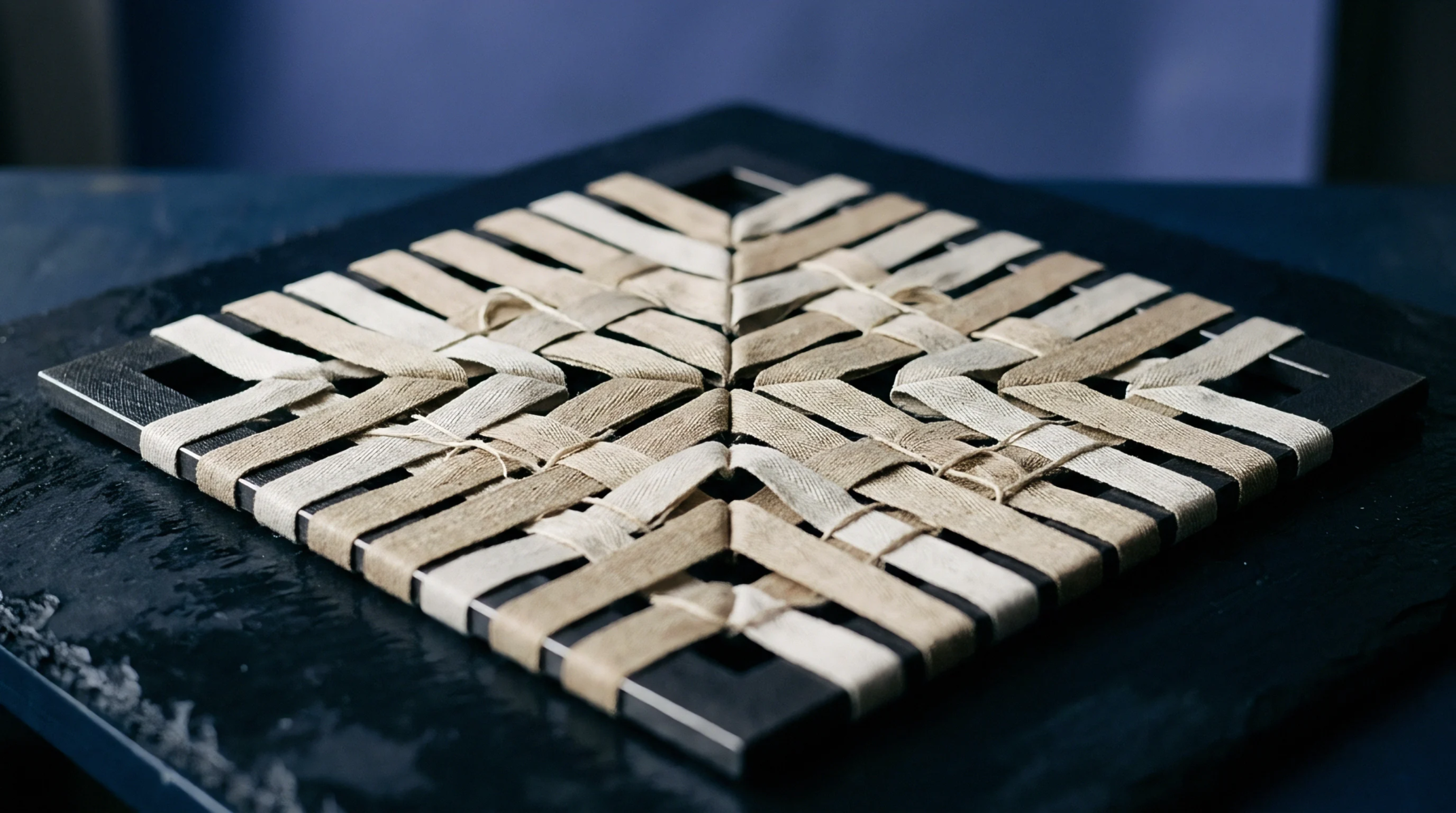
Mechanical bonding joins two ends of flax yarn by using a high-velocity stream of air to interlace the individual fibres within a turbulent chamber. The pneumatic air splicing process replaces traditional knots that create weak points or thickness variations along the length of the linen yarn. This method functions by untwisting the yarn ends, overlapping the loosened fibres, and then subjecting the assembly to a rapid blast of compressed air.
Friction between the straightened components prevents sliding under tension, ensuring that the join maintains a strength ratio consistent with the original yarn diameter. The operation concludes once the air pressure equalizes and the air flow returns to the ambient state.
Process Inspection
Production managers verify the joint integrity through periodic pull tests at the spinning stage before the final packing occurs. Quality control personnel confirm the yarn strength remains above the mill minimum standard for warp yarns, a requirement distinct from the looser tolerances assigned to weft applications. A failed test triggers a machine reset to adjust the nozzle orifice or the air pressure settings based on the fibre fineness measured in tex.
Mill protocols demand that every splicer unit undergoes calibration against the buyer acceptance criteria to minimize yarn breakage during high-speed weaving on air-jet looms. Operators record the results in the digital log to track consistency across different batches of flax. Variations in the fibre moisture content or the wax level on the surface of the linen influence the efficiency of the bond formation within the chamber.
Export Compliance
Shipping manifests document the yarn grade and the splicing quality to ensure that the material meets the export requirements of the destination facility. The final assessment proves that the finished linen fabric preserves a uniform surface texture without the inclusion of protrusions from improper joint formation. Pneumatic air splicing maintains the structural continuity required for industrial textile operations.