Molecular Transformation
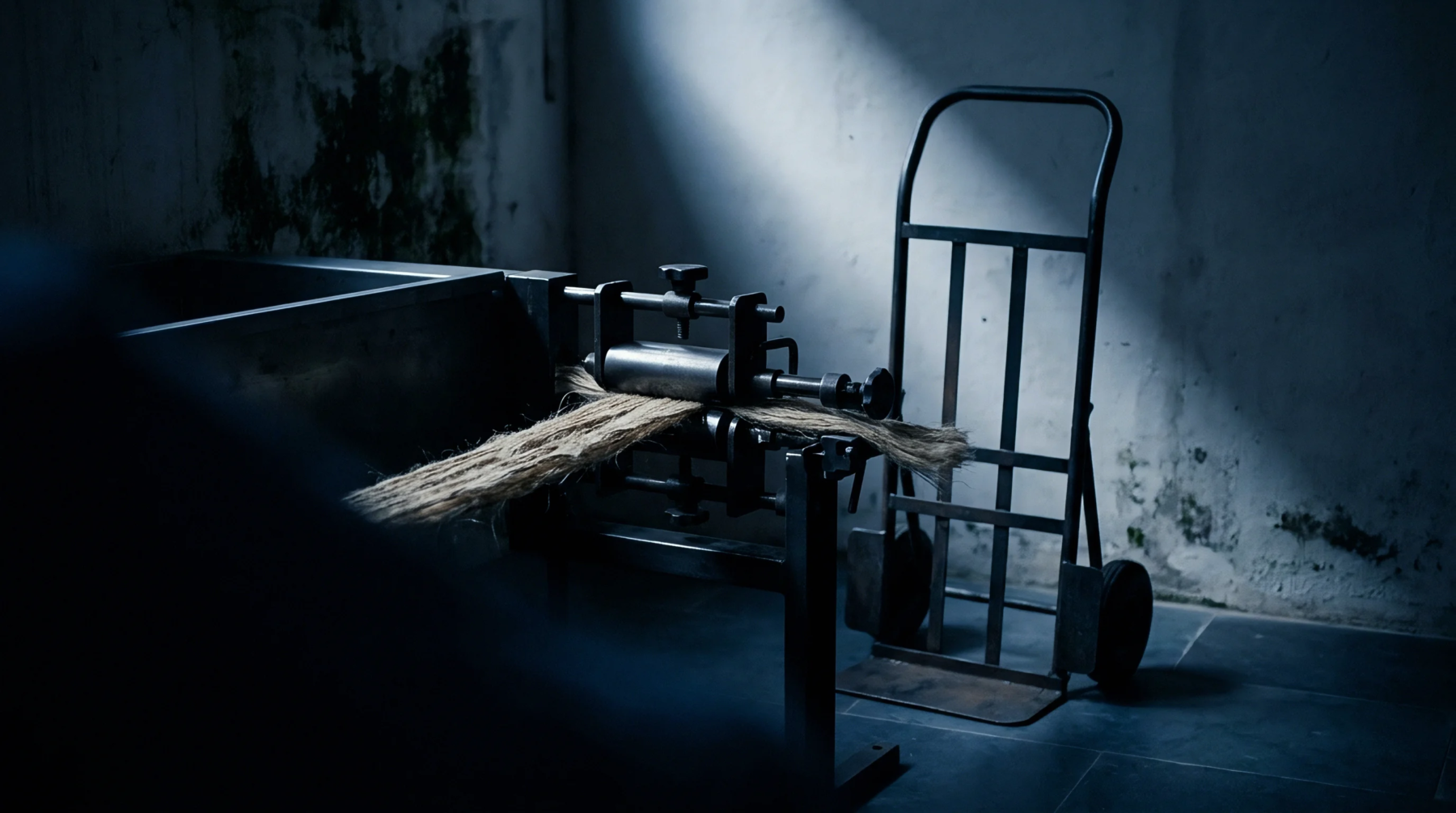
Softening of the hemicellulose and pectin components in the flax fibre occurs when the material is exposed to heat and moisture. Understanding plasticization dynamics is essential for the wet spinning process where the roving is passed through a hot water trough. This temporary transition into a more pliable state allows for the fine drafting of the bundles.
Thermal Conditioning
Water temperature in the spinning trough usually ranges between sixty and eighty degrees Celsius to trigger the necessary molecular changes. Through plasticization dynamics, the natural binders that hold the elementary fibres together become mobile, allowing them to slide past one another without breaking. This state is fleeting, as the material returns to its rigid form once the moisture evaporates and the temperature drops.
Controlling the duration of exposure prevents the total dissolution of the pectins, which would weaken the yarn. Spinners must balance the speed of the machine with the rate of heat transfer to the fibre core.
Shaping Capability
Ability of the linen to take on a specific form or finish relies on this mechanical flexibility. Once the plasticization dynamics are managed correctly, the resulting yarn is smoother and more uniform than dry-spun alternatives. This process defines the high quality of premium linen apparel fabrics.