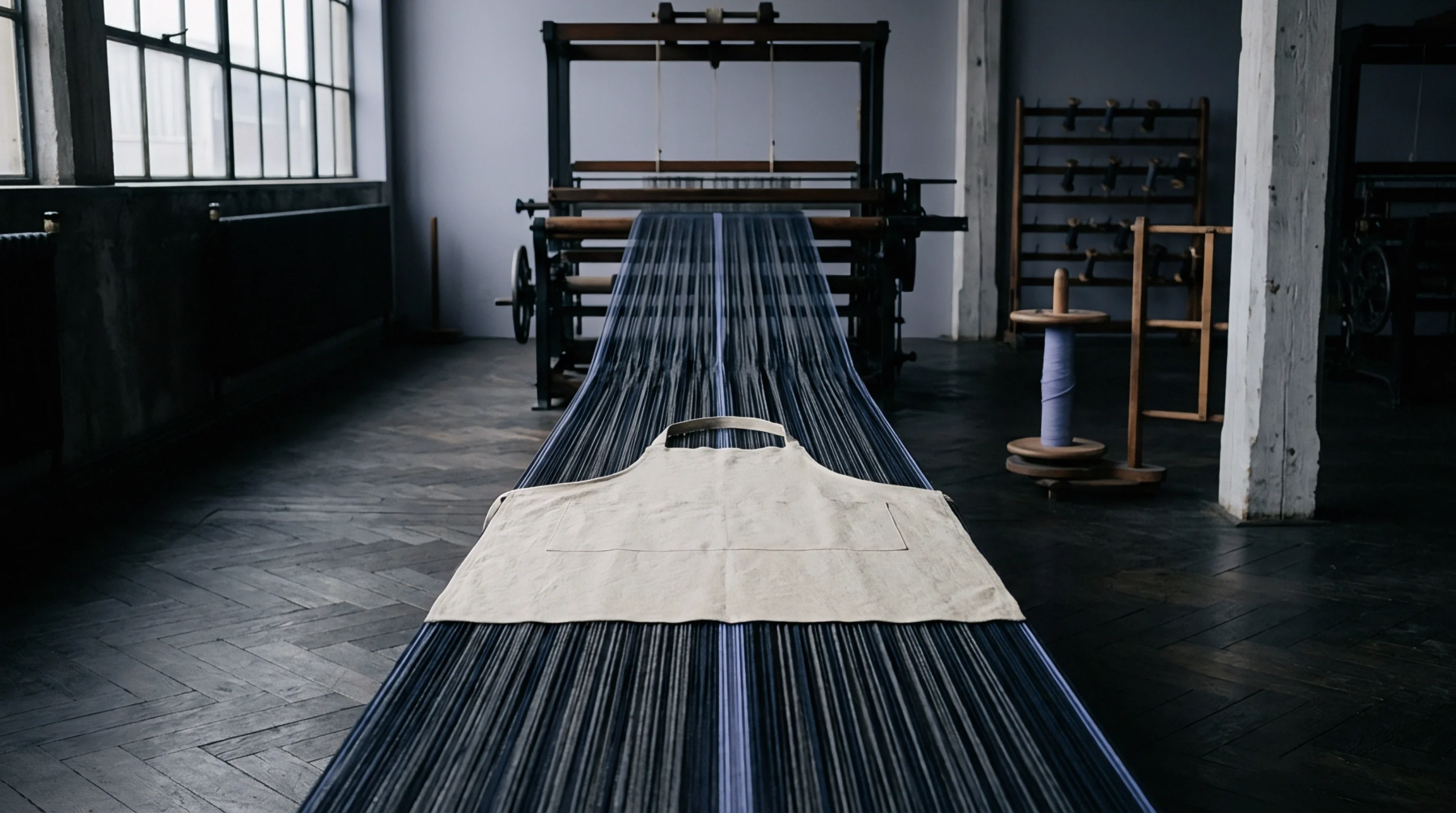
Weft Optimization
Financial efficiency in high-volume weaving contracts is frequently achieved by optimizing the number of weft threads per unit of fabric length within allowed limits. Engaging in pick count arbitrage allows a mill to weave fabric at the lower boundary of a contract’s density tolerance to minimize yarn consumption while charging the standard rate. This approach reduces overall raw material costs without technically violating the buyer’s purchase specifications.
Technical Tolerance
Most commercial purchasing agreements for linen allow a margin of error of two to three picks per inch from the nominal specification. By deliberately calibrating the looms to run at ninety-seven percent of the targeted density, the mill utilizes the pick count arbitrage to save thousands of meters of yarn over a large production run. This practice requires highly consistent warp tension and precise reed adjustments to ensure the fabric does not lose its structural stability or hand.
The mill must balance this yarn saving against the risk of fabric slippage where warp and weft threads slide out of position during laundering.
Fabric Weight
Buyers use laboratory testing of finished fabric weight and thread count to monitor these variations. If the density falls too low, the finished linen will feel thin and fail the minimum weight per square meter test, leading to batch rejection. The strategy must therefore be carefully managed to avoid crossing below the absolute contractual thresholds.