Biological Softening
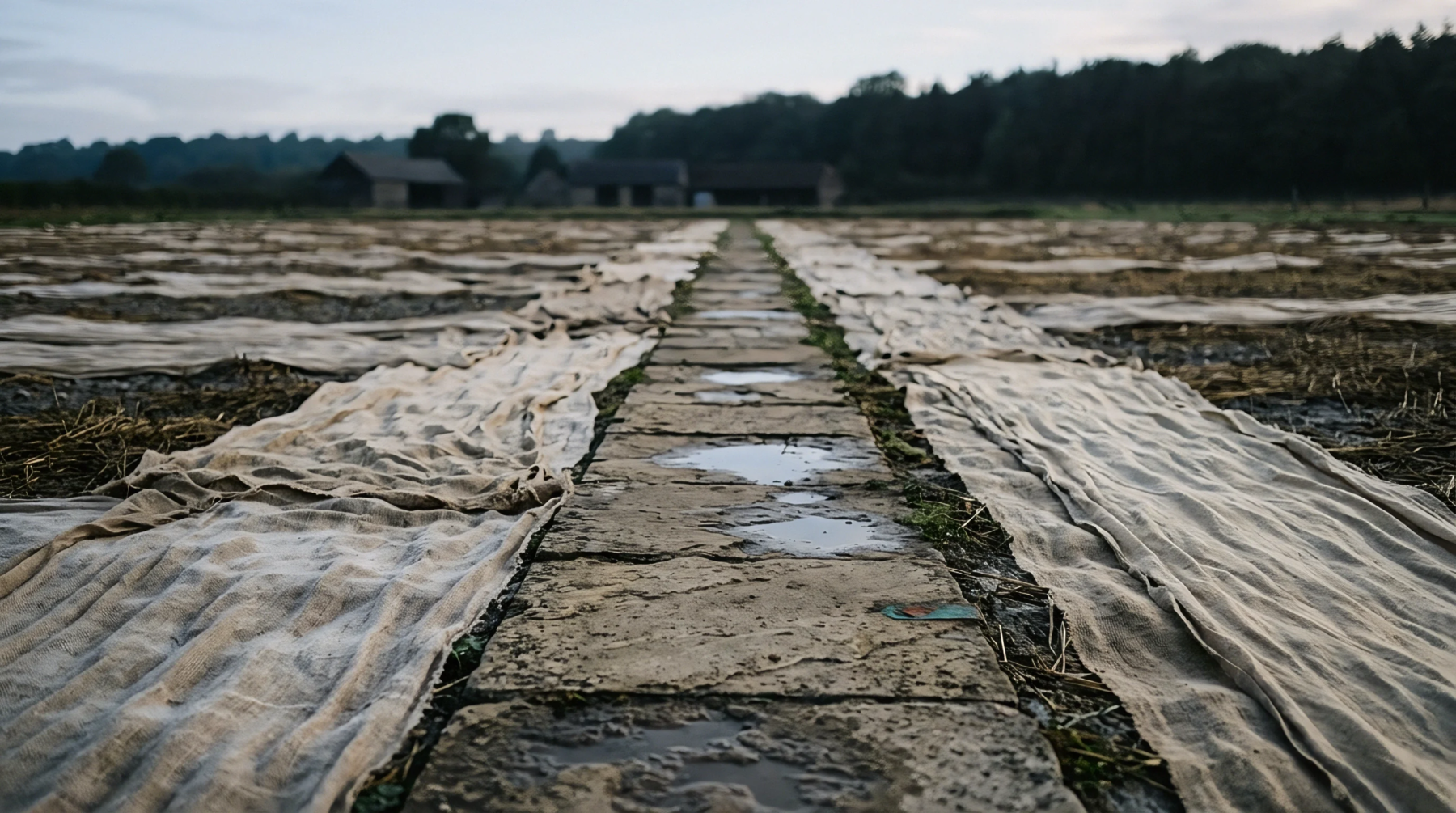
Chemical absorption process occurring during the retting of flax allows the separation of the fibre bundles from the woody core. When water penetrates the stem, pectin hydration increases the volume and solubility of the polysaccharide glues that hold the plant structure together. This stage is a prerequisite for the mechanical extraction of high quality linen fibres.
Chemical Reaction
Water molecules bind to the galacturonic acid chains within the pectin, weakening the intermolecular forces that provide rigidity to the stalk. In a commercial retting tank, the rate of pectin hydration is controlled by water temperature and the presence of specific anaerobic bacteria. If the hydration is insufficient, the fibres remain stuck to the shive and break during scutching.
Over-processing leads to the degradation of the fibre itself as the water begins to break down the cellulose bonds. The process must be halted exactly when the binder has softened enough to release the long fibres without compromising their strength. Monitoring the ph and temperature of the retting water provides a way to manage this reaction.
This biological change transforms the stiff flax straw into a flexible material suitable for spinning.
Separation Boundary
Success in the subsequent scutching process depends entirely on the uniform completion of this moisture absorption. Under-retted flax produces coarse, woody bundles that result in low grade yarn. Correct hydration levels ensure a clean separation that preserves the length and luster of the premium linen fibre.