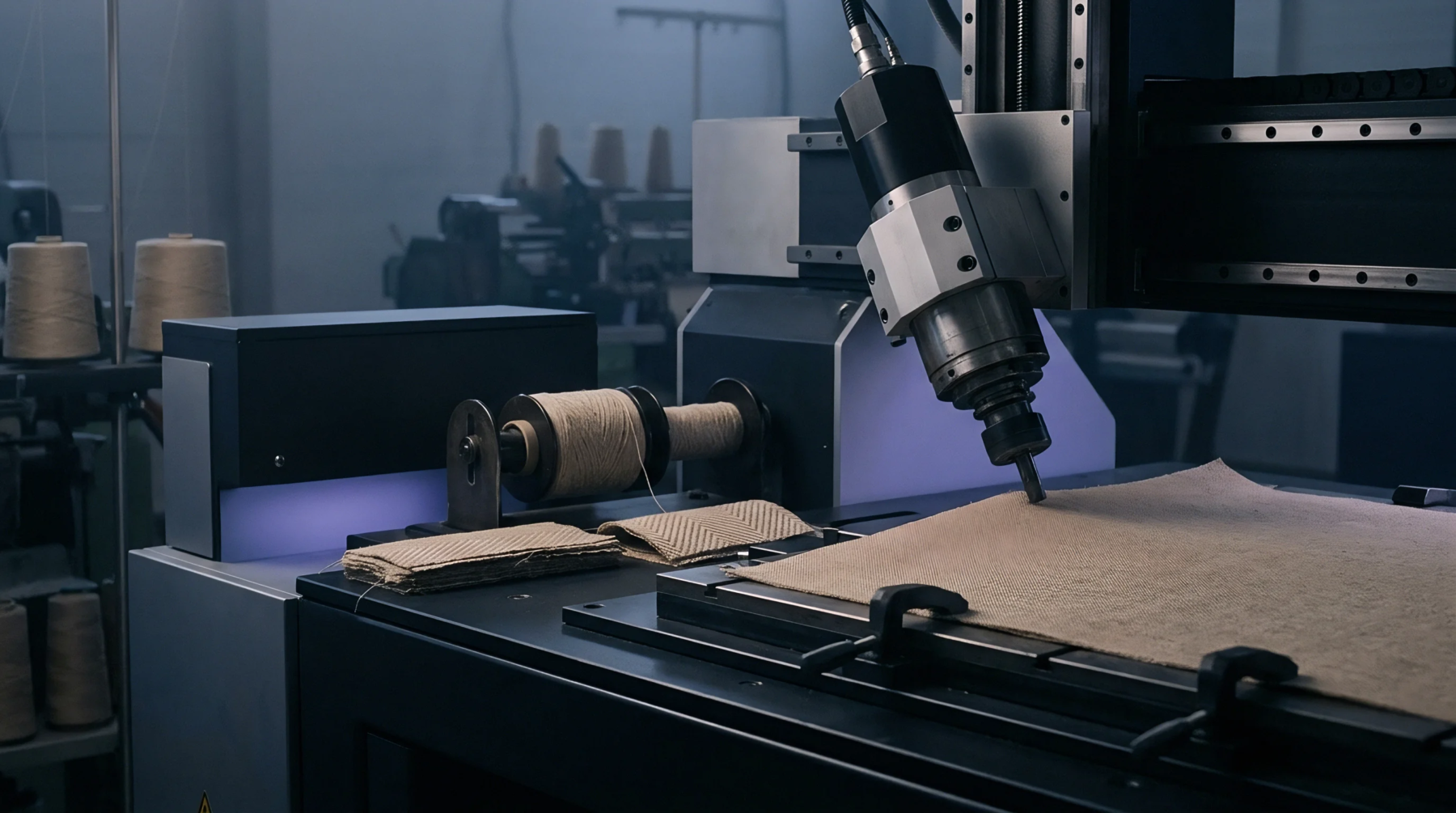
Mill Mechanism
Continuous flax roving fed through drawing frames encounters physical obstructions whenever rogue slubs or tangled impurities exceed the calibrated clearance of the drafting rollers, triggering a mechanical trip wire that halts the machine instantly. Optical stop motion replaces physical contact levers with infrared beam interruption sensors positioned directly across the sliver path. Unbroken filament allows the photoelectric receiver to maintain a constant voltage signal.
Interruption of the light cone by an abnormally thick fibre clump drops the current immediately. Electromechanical solenoids disengage the drive clutch within milliseconds.
Sliver Integrity
Photoelectric monitoring prevents uneven yarn formation by eliminating the variable tension caused by weighted mechanical feelers dragging across delicate wet spun flax strands. Traditional wire feelers apply friction that stretches tender vegetable fibres before twist insertion takes place. Infrared sensors operate without physical drag.
Clean plant material passes uninterrupted through the light path while foreign matter blocks the transmission path. Mill operators calibrate the sensitivity threshold against specific flax fibre grades to accommodate natural variations in plant diameter without generating false rejects.
Export Standard
Finished linen yarn packages undergo final physical testing to verify tensile strength and evenness compliance against international buyer contracts. Optical stop motion reliability data provides documented proof of defect control during the spinning stage. Certified testing laboratories review maintenance logs and sensor calibration records during mill audits.
Buyer acceptance criteria demand absolute freedom from oversized slubs in high grade linen fabrics. Verification of photoelectric sensor operation satisfies stringent quality assurance protocols required for premium export shipments.