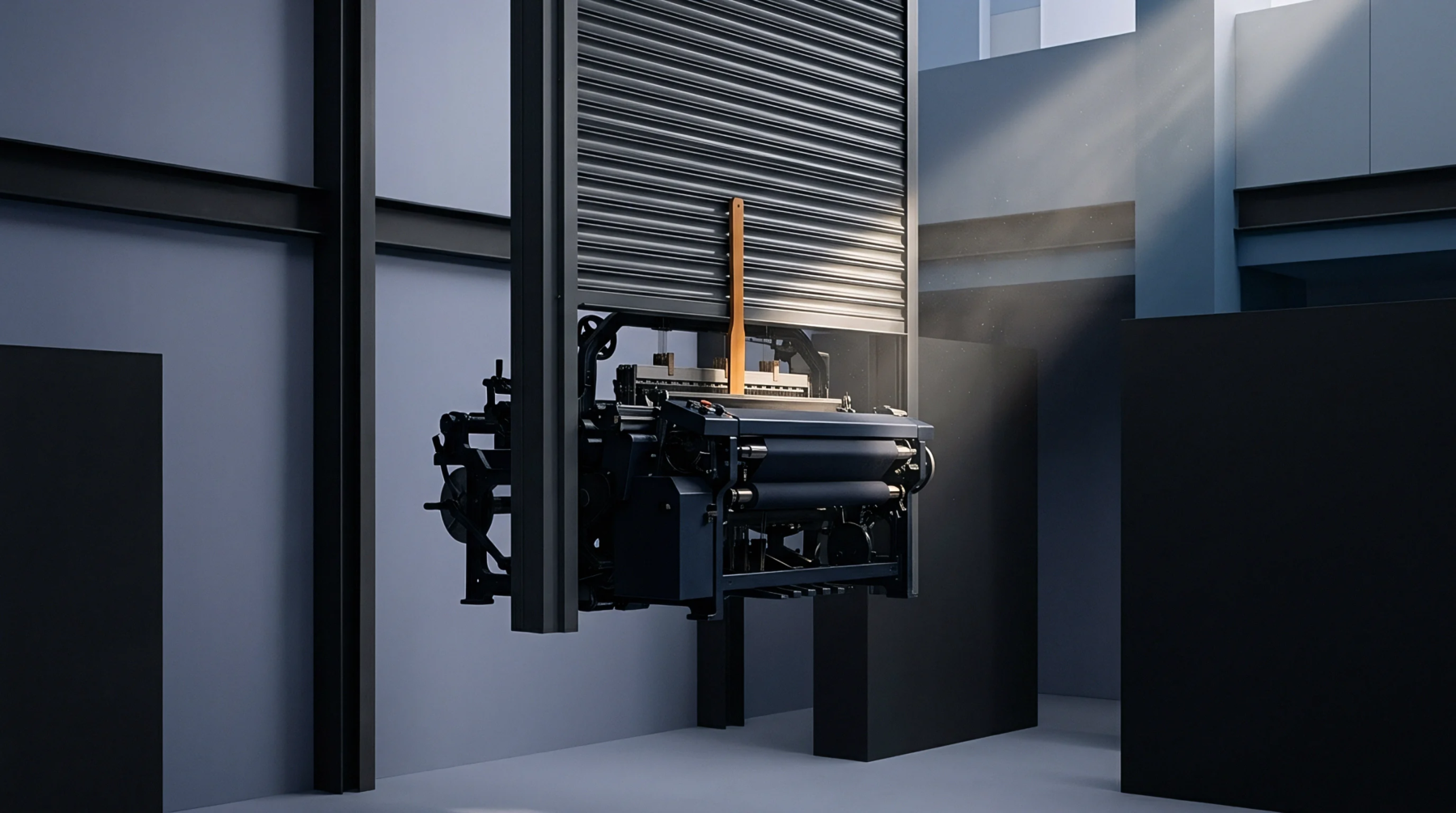
Weave Verification
Post-weaving analysis takes place immediately after the cloth is released from the take-up roll to identify defects before the material is rolled for storage. Through off loom fabric inspection, operators scan the linen for missing picks, oil stains, and tension irregularities that occurred during the mechanical action of the loom. This step ensures that every meter of fabric conforms to the buyer’s structural specifications before the roll is sent to the warehouse.
Defect Detection
The process involves mounting the unfinished linen roll onto an inspection frame where it passes over a light box at a controlled speed. Inspectors mark each defect with plastic tags or recorded digital coordinates to guide subsequent mending or cutting operations. When systemic errors like reed marks or warp stripes are detected early, the supervisor can stop the corresponding loom to prevent further damage.
Since linen is highly prone to structural shifts, detecting these issues immediately after weaving prevents the waste of hundreds of meters of high-grade flax yarn.
Batch Separation
Sorting the inspected rolls by quality grade allows the mill to assign the material to appropriate finishing routes. When off loom fabric inspection is bypassed, defective sections of cloth can enter the dyeing ranges where tension and heat lock the structural flaws permanently into the fibers. This step thus protects the commercial yield of the entire weaving run.