Fibre Measurement
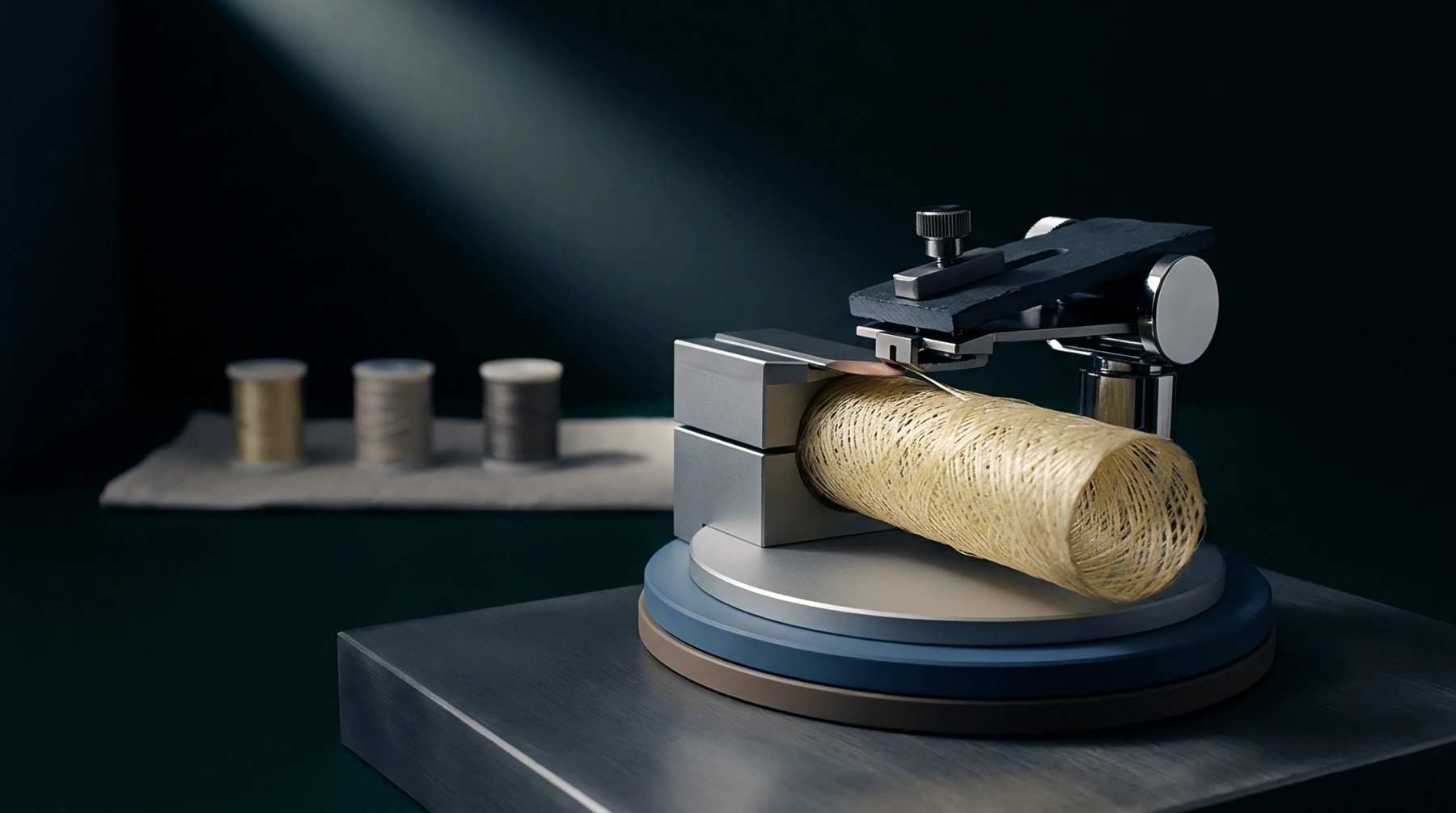
Optical fibre diameter analysis measures the physical dimensions of flax filaments during the combing and drafting stages of linen production. The ofda instrument employs laser scanning technology to record the micron count and distribution across a sample of fibres. Technicians rely on these readings to determine if a raw lot matches the target spinning specifications required for fine yarn output.
This machine automates the traditional projection microscope method by processing thousands of snippets per minute to deliver statistical certainty regarding average diameter and coefficient of variation.
Data Quality
Accurate reporting of these metrics allows mills to identify batches that fail to meet specific textile grade requirements. Spinning operations depend on this precision because diameter variance directly influences the likelihood of yarn breakage during the drafting process. Laboratories document the results in a fibre specification sheet that accompanies every shipment to the warehouse for buyer validation.
Such digital verification removes the subjective errors inherent in manual testing procedures and improves the consistency of the final fabric.
Production Logic
Acceptance criteria for high quality linen often dictate a maximum allowable standard deviation in micron count to ensure uniform fabric density across the bolt. Buyers verify these factory records against their own internal quality control standards before releasing payments for a contract lot. When the measured values deviate from the established parameters, the production line halts to adjust the mechanical settings on the comber or the feed rate of the drafting frame.
A deviation in the diameter profile acts as a predictor for future inconsistencies in the weaving stage.