Fiber Purification
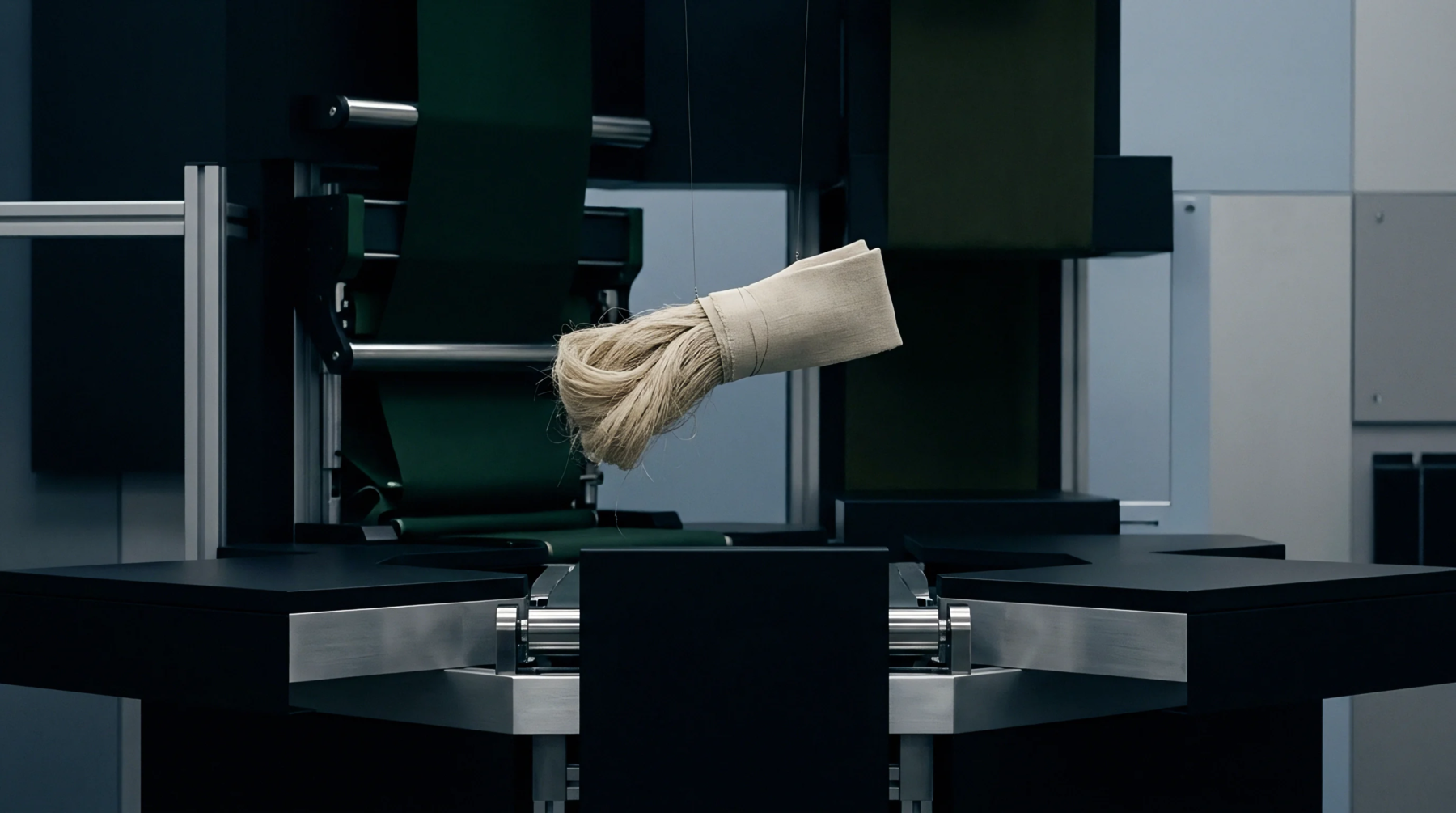
Chemical and mechanical treatments designed to extract pectins, lignins, hemicelluloses, and waxes from raw flax fibers define the boundary between coarse tow and refined textile yarns. The non cellulosic removal occurs during the scouring and bleaching phases of linen yarn preparation. It is necessary to strip away these natural plant adhesives to separate the individual technical fibres into fine, spinable strands.
Without this purification, the yarn remains coarse, stiff, and highly resistant to dye absorption. Mill managers monitor the weight loss of the yarn during this process to ensure the treatment has reached completion without over-processing the underlying cellulose core, which would compromise the strength of the final linen fabric.
Chemical Mechanism
Hot alkaline solutions used during the scouring stage break down the complex carbohydrate matrices holding the fiber bundles together. This process of non cellulosic removal targets the pectin layer that binds flax fibers to each other and to the woody stem material. After the alkaline bath, a rinsing cycle washes away the dissolved organic matter and neutralized chemicals.
Careful control of the bath temperature and alkali concentration prevents the cellulose itself from being damaged and weakened.
Spinning Impact
Stripping away these adhesive compounds increases the flexibility and softness of the resulting yarn. If the process of non cellulosic removal is insufficient, the stiff fibers will not slip past one another during drafting, leading to uneven yarn or frequent yarn breakages on the spinning frame. This chemical treatment is therefore adjusted based on the initial wax and pectin content of the harvested flax crop.