Separation Protocol
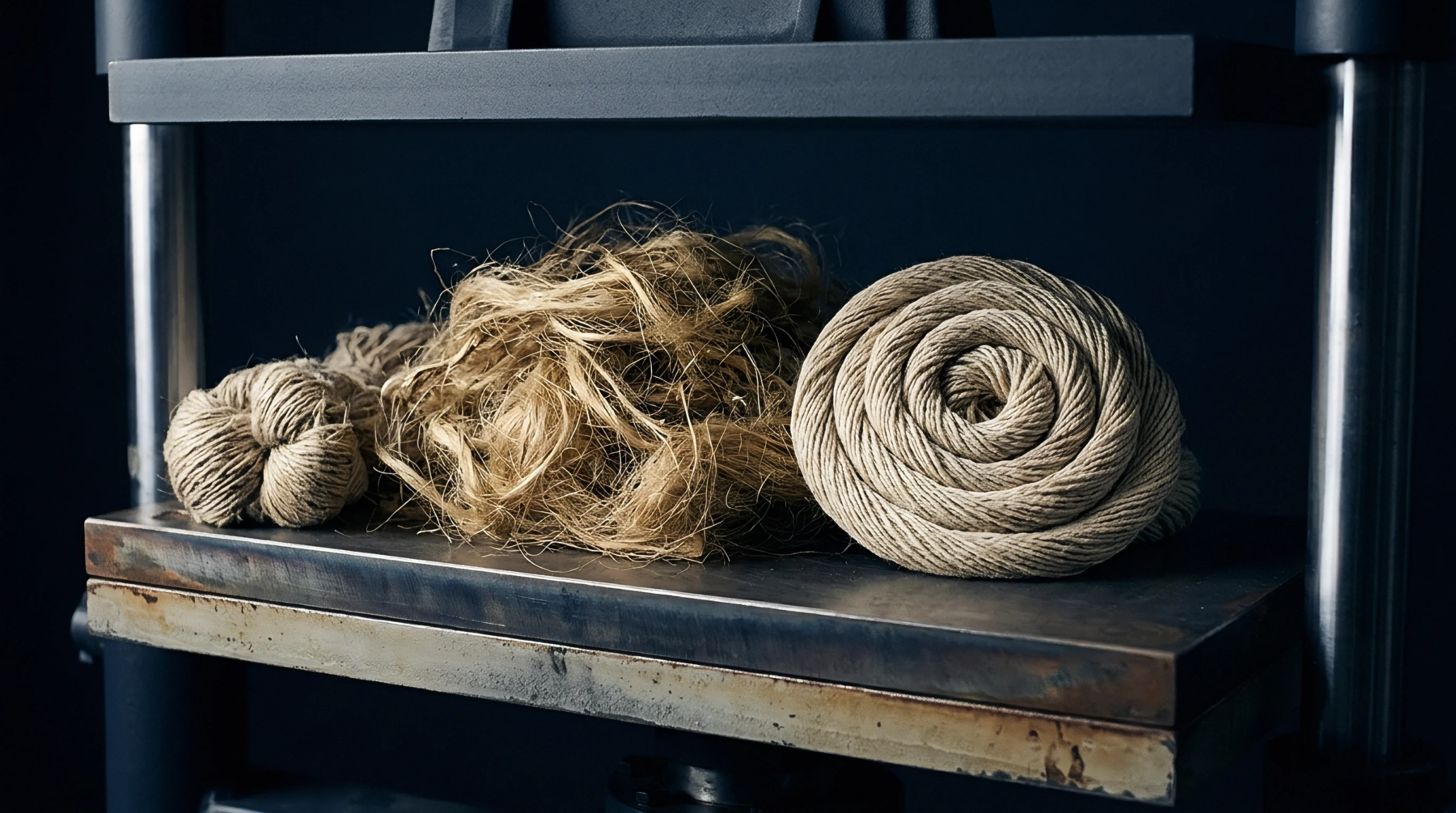
Quality management systems prevent the mixing of different batches of raw material during industrial manufacturing processes. Employing lot segregation ensures that flax fibres of varying grades or origins are stored and handled in distinct batches. This practice prevents the accidental blending of high-quality long-line flax with lower-grade tow.
By maintaining clear separation, spinning mills can guarantee the specific characteristics of each yarn run.
Traceability Mechanism
Industrial traceability requires that each batch of fibre remains identifiable from the intake gate to the final spinning stage. If a defect is discovered in a finished linen fabric, lot segregation enables the mill to trace the issue back to the specific batch of raw flax and the day it was processed. This containment strategy prevents the need to recall or discard large volumes of unaffected yarn.
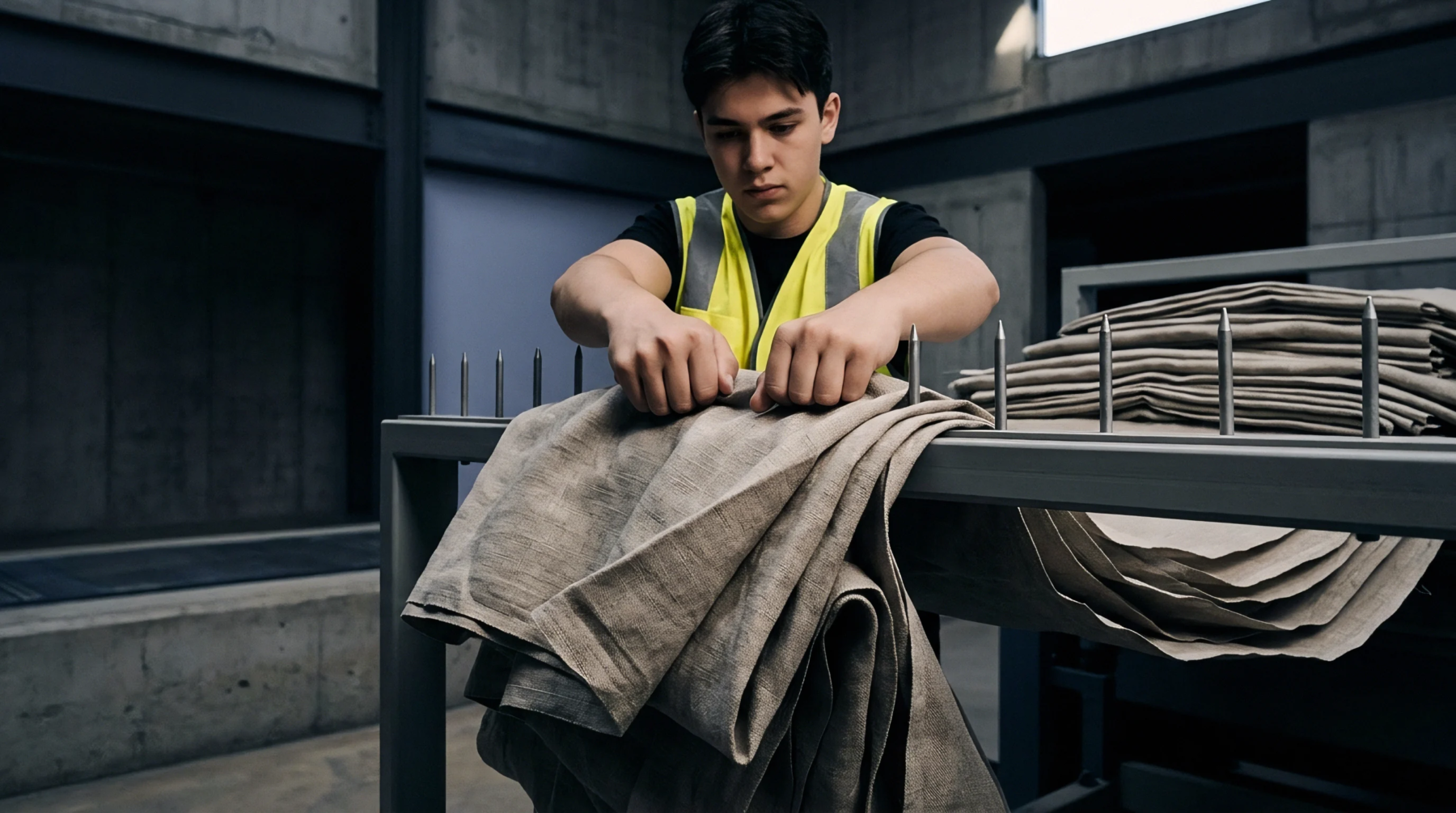
Workers use colored tags and designated storage bays to maintain the physical separation of each batch.
Production Control
Woven cloth manufacturers require uniform raw materials to prevent variations in dye absorption and tensile strength. Effective lot segregation allows the weaving department to select yarns that come from the same spinning batch, ensuring a consistent texture and color in the finished fabric. This control is particularly important when processing organic or certified sustainable flax, where the mixing of materials would void the certification.
The discipline of keeping batches separate is therefore a fundamental part of high-end textile manufacturing. It also simplifies the auditing process when buyers conduct on-site inspections to verify the authenticity of premium product lines.