Capital Expenditure
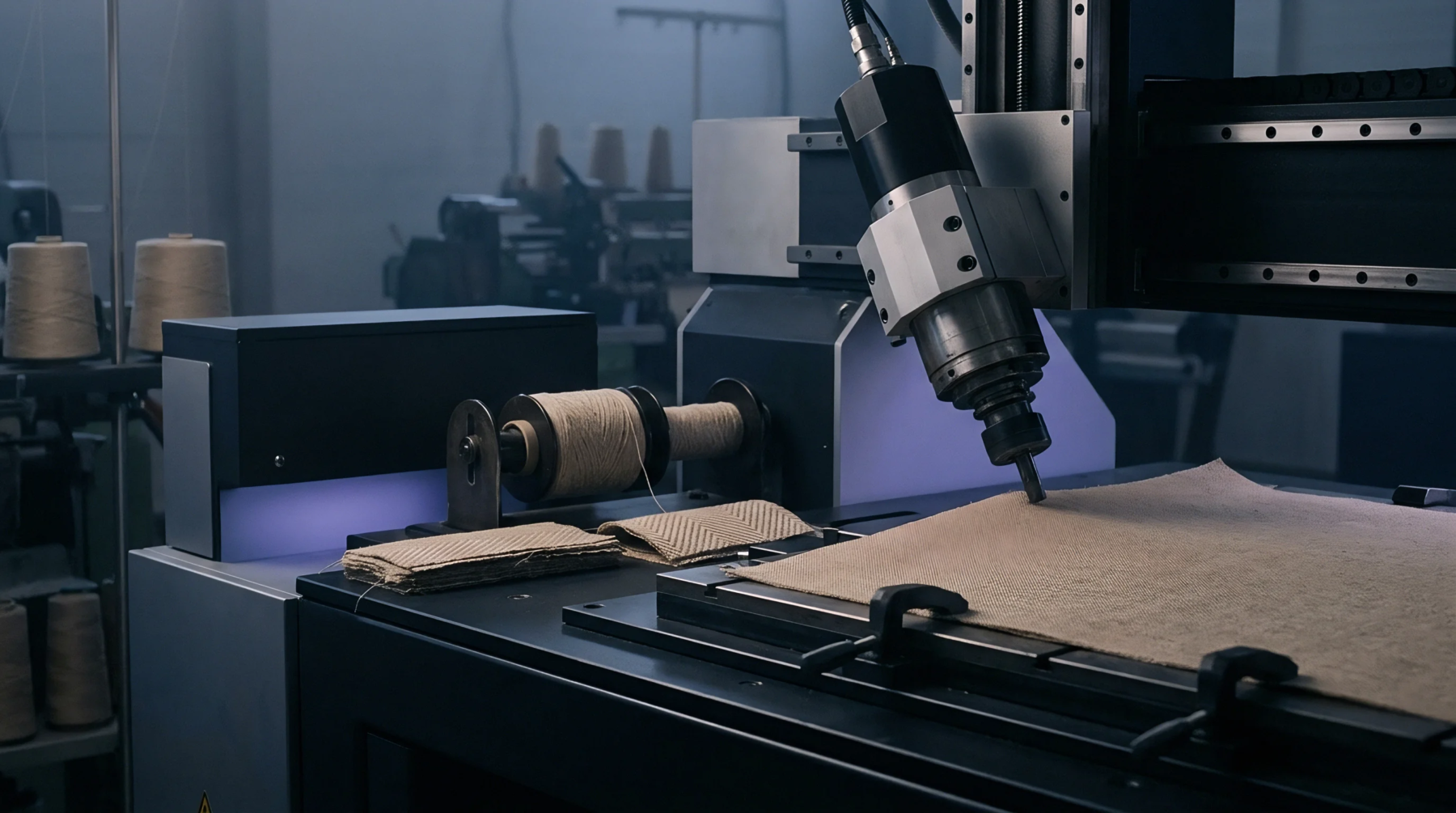
Financial accounting totals track all direct machinery modifications, auxiliary hardware additions and labor expenses required to adapt a weaving machine for an alternate yarn type. Mills transitioning from standard cotton or synthetic weaving calculate loom conversion cost to assess project feasibility for rough flax handling. The expenditure covers mechanical refits, electrical reprogramming and structural reinforcements necessary to weave high-tension, low-elongation linen warps.
The boundary excludes normal running operating expenses, periodic lubricant servicing and regular yarn procurement costs.
Mechanical Modification
Heavy linen production requires specialized adaptations to withstand elevated shedding tensions and significant size shedding. Weaving technicians install high-torque warp letoff motors and reinforced backrests equipped with sensitive spring tension sensors. Drop-wire boxes, heald frames and reed holders undergo replacement with heavy-duty steel variants resistant to flexural deflection.
Vacuum dust extraction hoods mount over the shed area to collect airborne flax debris before it clogs mechanical gear trains. Electrical engineers modify loom control software to reprogram beat-up profiles, slow-motion shed positioning and electronic weft insertion parameters. Technicians track every replacement drive component, bracket set and labor hour on conversion shop orders.
Financial Allocation
Mill accountants capitalize modification expenses across projected production yardage or amortize them against specific multi-year export contracts. High loom conversion cost requires justification through higher fabric selling margins on heavyweight upholstery or pure linen apparel markets. Production budgets separate conversion expenses from the standard capital cost of purchasing completely new flax rapier weaving machines.
Plant managers record realized conversion figures on project completion ledgers to audit machine pay-back intervals. Commercial buyers negotiate fabric yardage rates that reflect these tooling investments when commissioning custom linen constructions from non-specialized mills.