Mechanical Attenuation
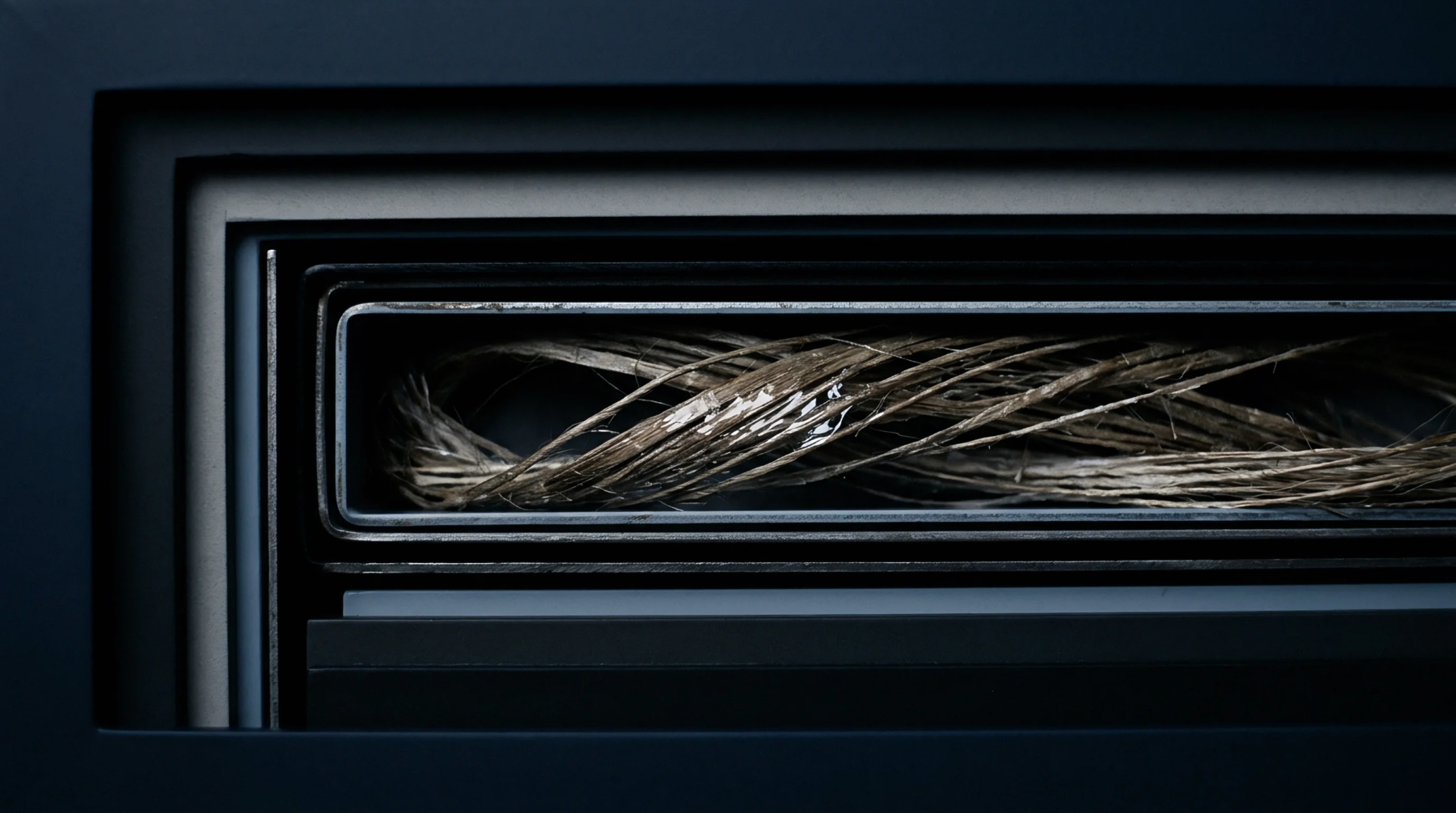
Controlled drawing and parallelization of long bast fibre bundles between differential-speed roller pairs forms the basis of yarn count generation. In industrial spinning facilities, long staple flax drafting processes combed slivers containing fiber bundles exceeding 300 millimeters in length through intersecting gill boxes or screw-driven faller bars. Mechanical pins penetrate the moving fiber mass to control floating bundles and prevent uncontrolled drafting waves within the attenuation zone.
Precise speed ratios between back feed rollers and front delivery rollers reduce sliver mass per unit length while maintaining bundle alignment prior to roving formation.
Drafting Dynamics
High bundle stiffness and wide fiber length distributions necessitate wide ratch settings and aggressive pin control to avoid fiber breakage during attenuation. During long staple flax drafting, faller pins travel through the fiber web at a speed slightly higher than the back roller surface speed, restraining shorter bundles while front rollers draw longer bundles forward. In wet-spinning systems, roving strands pass through heated water baths before final drafting to soften middle lamella pectins, enabling the division of coarse bundles into fine ultimate groups under roller nip pressure.
Draft ratios are calculated based on input sliver weight and required yarn count, with intermediate drafts distributed across multiple drawing passages. Laboratory technicians measure mass variation along drafted slivers using electronic capacitance evenness testers to detect drafting waves or mechanical gear eccentricity.
Yarn Regularity
Uneven fiber attenuation generates periodic mass fluctuations that degrade single-yarn breaking strength and downstream weaving performance. Spinning quality sheets log drawing sliver evenness coefficients, draft gear configurations and pin replacement intervals across active gill box frames. Deviations in long staple flax drafting produce slub faults, thin places and nep accumulations that downgrade finished linen fabrics under visual inspection standards.
Maintenance teams routinely calibrate roller alignments, faller bar timings and pin densities to ensure consistent fiber control across all spinning lines. Export yarn specifications require documented compliance with evenness standards and minimum elongation targets before shipments receive quality release. Proper execution of the drawing process guarantees the structural uniformity required for high-speed weaving of premium linen textiles.