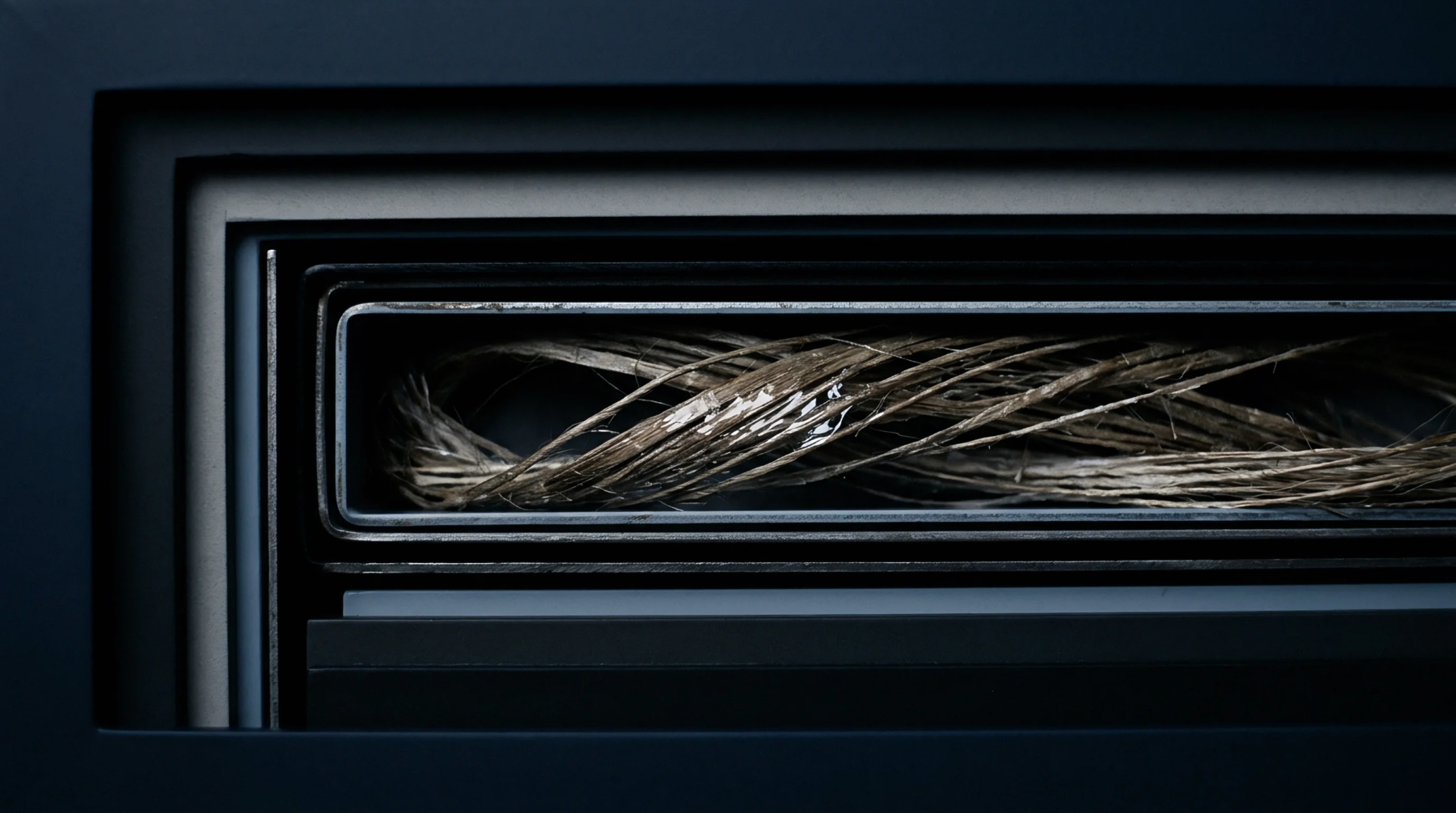
Fiber Dislocation
Microscopic fiber dislocations represent regions of localized structural disorder along the length of flax and hemp fibres. These knee joints occur where the cellulose microfibrils have been bent or fractured during growth or mechanical extraction. They act as mechanical weak points but also as paths for dye and water penetration during processing.
This structural analysis is conducted on yarn samples using polarized light microscopy to assess fibre uniformity.
Structural Weakness
The density of these dislocations along the fiber determines the yarn’s susceptibility to breakages during spinning and weaving. In the context of the fibre structure, knee joints are formed by physical stress on the stem, such as wind action or the crushing action of the scutching rollers. These regions have higher chemical reactivity and absorb dyes faster than the crystalline sections, which can lead to uneven coloration if not managed properly.
Chinese mills optimize their bleaching and mercerization processes to minimize the appearance of these dye spots in the woven cloth.
Processing Outcome
Linen quality managers measure the frequency of these joints to predict how the yarn will behave in finishing treatments. High dislocation counts correlate with reduced tensile strength but increased flexibility. This trade-off is recorded in the laboratory analysis of the yarn to determine its eventual end-use.