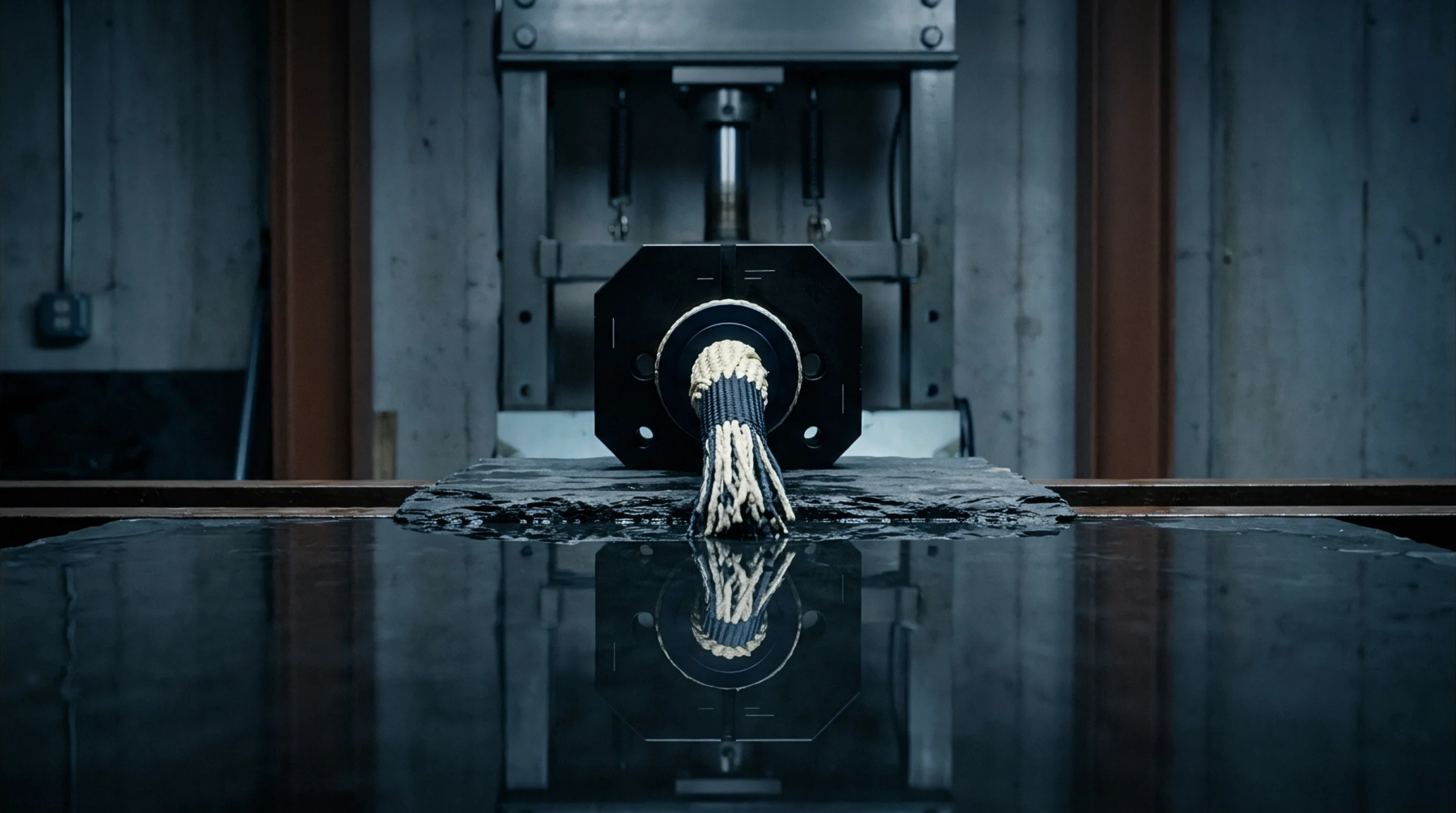
Mechanical Evaluation
Objective measurements of the surface properties and mechanical resistance of textiles allow for the precise grading of fabric hand. The KES-FB4 shear testing protocol, as part of the broader Kawabata system, evaluates the shear stiffness and hysteresis of the material. This analysis is particularly useful for linen because the natural stiffness of the flax fibre greatly influences the final feel of the cloth.
It replaces subjective human assessment with repeatable numerical data.
Shear Rigidity
Resistance to angular deformation determines how the fabric will drape over a curved surface like a human shoulder. In KES-FB4 shear testing, the machine applies a parallel force to the fabric surface and measures the displacement. High rigidity values suggest a firm, crisp linen suitable for formal wear, while lower values indicate a softer material.
Mill engineers use these results to adjust their softening and calendering processes.
Quality Benchmark
Consistency in these mechanical values ensures that every batch of fabric delivered to the client has the same tactile characteristics. Buyers of premium linen often include KES-FB4 shear testing parameters in their quality manuals to maintain brand standards. Sudden changes in the shear results can alert the mill to issues in the yarn spinning or weaving tension.
This data provides a scientific basis for the premium pricing of high-quality flax products.