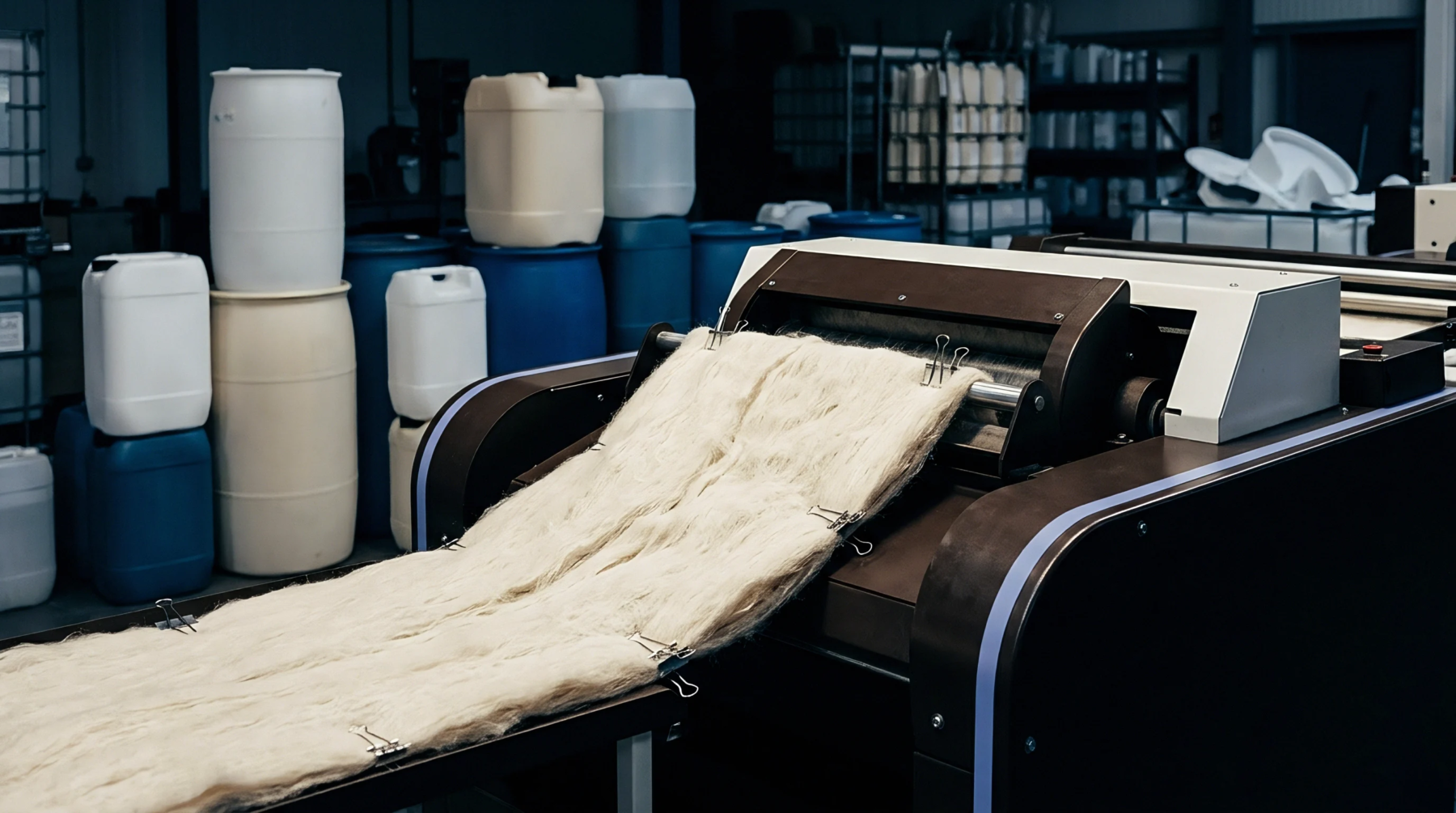
Moisture Adjustment
Flax fibre weight undergoes systematic modification through iso 6741 commercial mass calculations to account for fluctuating water content. This technical procedure enables buyers and sellers to negotiate based on a fixed convention rather than the immediate ambient hydration of a raw material lot. Accurate determination of this weight requires drying a representative sample in a ventilated oven to reach an absolute dry state.
Technicians then add an agreed percentage of water back to the oven dry weight to arrive at the final trade mass.
Acceptance Protocol
Textile mills utilize these resulting figures to establish contract compliance during the intake of imported raw flax. Laboratories document the raw mass alongside the calculated commercial mass on quality certificates to preserve traceability from the initial shipment arrival through later processing stages. Discrepancies between physical weight and the adjusted total often indicate storage issues or excessive humidity exposure during ocean freight.
Purchasing agreements frequently stipulate that final payment depends upon this adjusted figure instead of the gross scale reading recorded upon arrival.
Production Boundary
Spinners apply this standardised mass to calibrate machinery inputs for yarn diameter consistency and tension control during the drafting process. Because natural fibres naturally absorb or release water relative to atmospheric conditions, treating the material as a constant mass prevents errors in volumetric calculations for spinning frames. Factories failing to normalize the moisture content risk producing yarn lots that deviate from weight per unit length specifications.
Uniformity in these adjusted mass records maintains the integrity of output quotas across shifting seasonal production cycles.