Contractual Resolution
Third-party verification of textile properties provides a neutral assessment when a buyer and seller disagree on quality specifications. Engaging in independent lab arbitration allows for the definitive measurement of flax fibre strength, yarn count or fabric density. This process relies on a laboratory that holds no financial interest in the transaction and follows globally recognized testing standards.
The results produced are binding and typically override the internal reports of either the mill or the purchasing office. A major disagreement regarding the presence of impurities often triggers this clause.
Procedural Execution
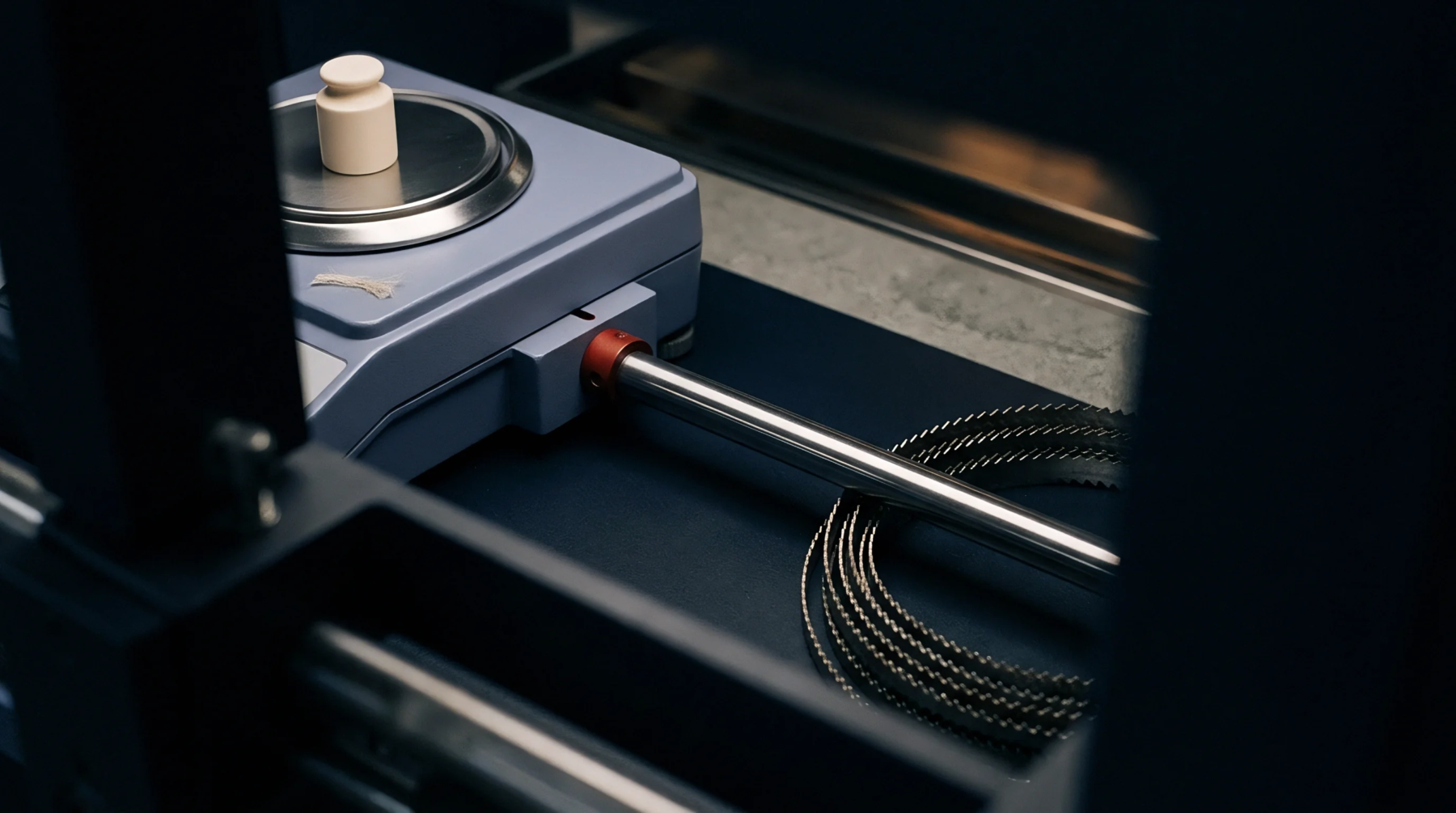
Disputed samples are sent to the neutral facility under a strict chain of custody to prevent tampering. Upon arrival, the facility performs a series of tests specified in the original sales contract, such as the tensile strength of the linen yarn. Technicians at the independent lab arbitration site use calibrated equipment that meets international certification levels.
They issue a formal report detailing the findings and the methods used. Costs for this service are usually borne by the party whose original claim is refuted by the new data. Every step follows an established protocol to ensure the findings are legally defensible in international trade.
Risk Mitigation
Standard trade agreements include clauses that mandate this step before legal action is taken. Using independent lab arbitration settles conflicts quickly without the expense of a full court case. It maintains the professional relationship between the supplier and the client.