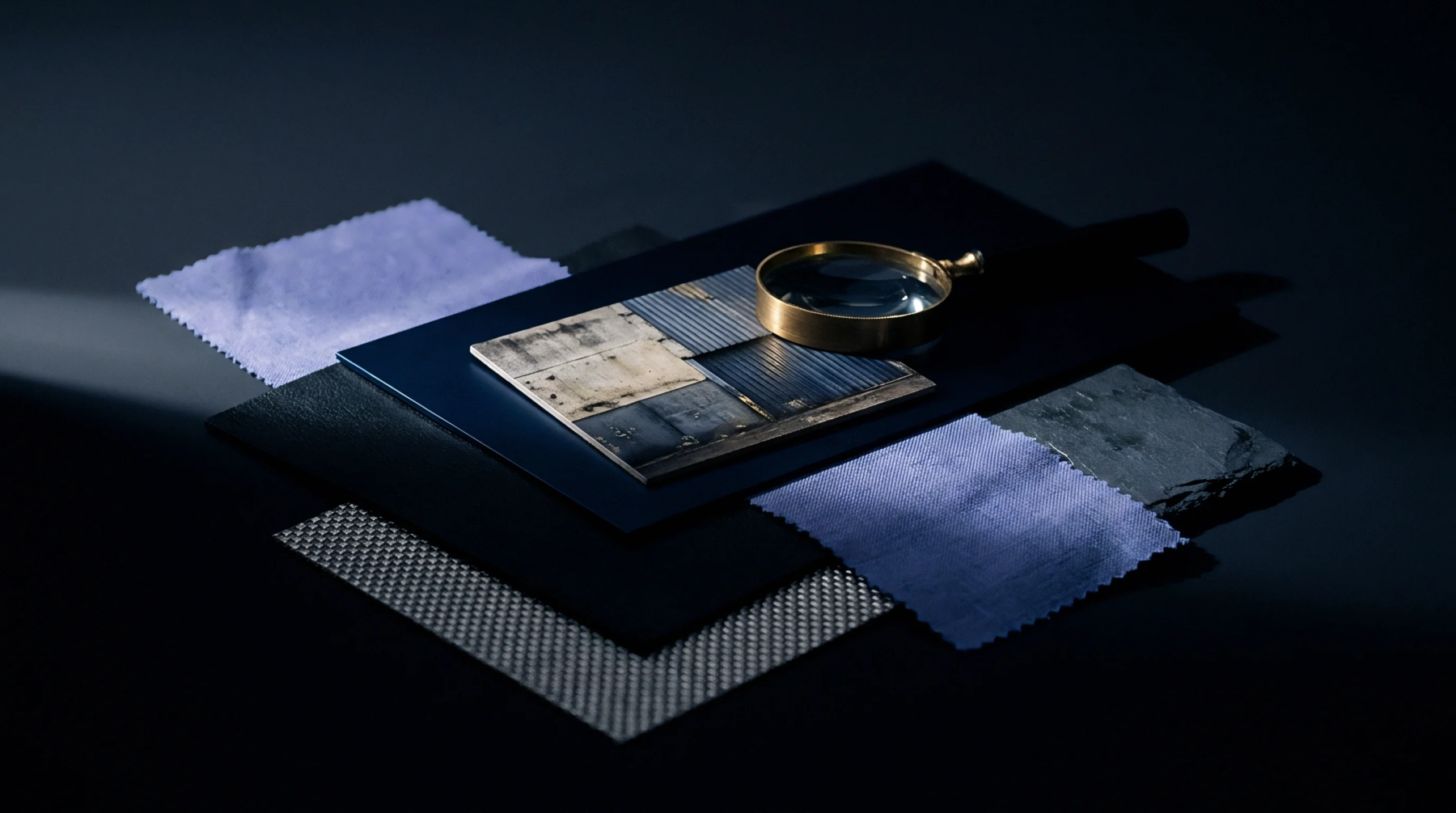
Intensity Standard
Measurement of light density on a working surface defines the visibility threshold required for the accurate inspection of textiles. The application of illumination lux specifies the quantity of luminous flux per unit area on the grading table. This setting ensures that yarn discrepancies and structural flaws are visible to the human eye.
Standards for fabric inspection rooms typically require a high level of light to prevent fatigue among workers.
Visual Inspection
High precision is necessary to detect subtle faults such as fine knots or single broken warp yarns in woven linen. Under a correct setting of illumination lux, inspectors can identify discrepancies that would remain invisible under normal office lighting. The target level is often set between seven hundred and fifty and one thousand units to expose fine yarn details without creating glare.
This intensity allows for the detection of minor variations in yarn thickness and ensures that the finished cloth meets export criteria.
Measurement Method
Verification of the light levels occurs at regular intervals across the inspection surface. A digital meter measures the intensity to confirm that the distribution is uniform. Inadequate levels can lead to missed defects.
These results are recorded in the mill log to maintain quality compliance.