Fibre Deterioration
Hydromechanical Decay describes the progressive loss of tensile strength and elastic recovery in wet flax stems during prolonged water retting tanks. Excessive microbial action combined with internal fluid pressure degrades pectin bonds holding elementary fibres together. Pectinolytic bacteria break down cellular cement faster than hemicellulose resists hydraulic shear forces inside fermentation vats.
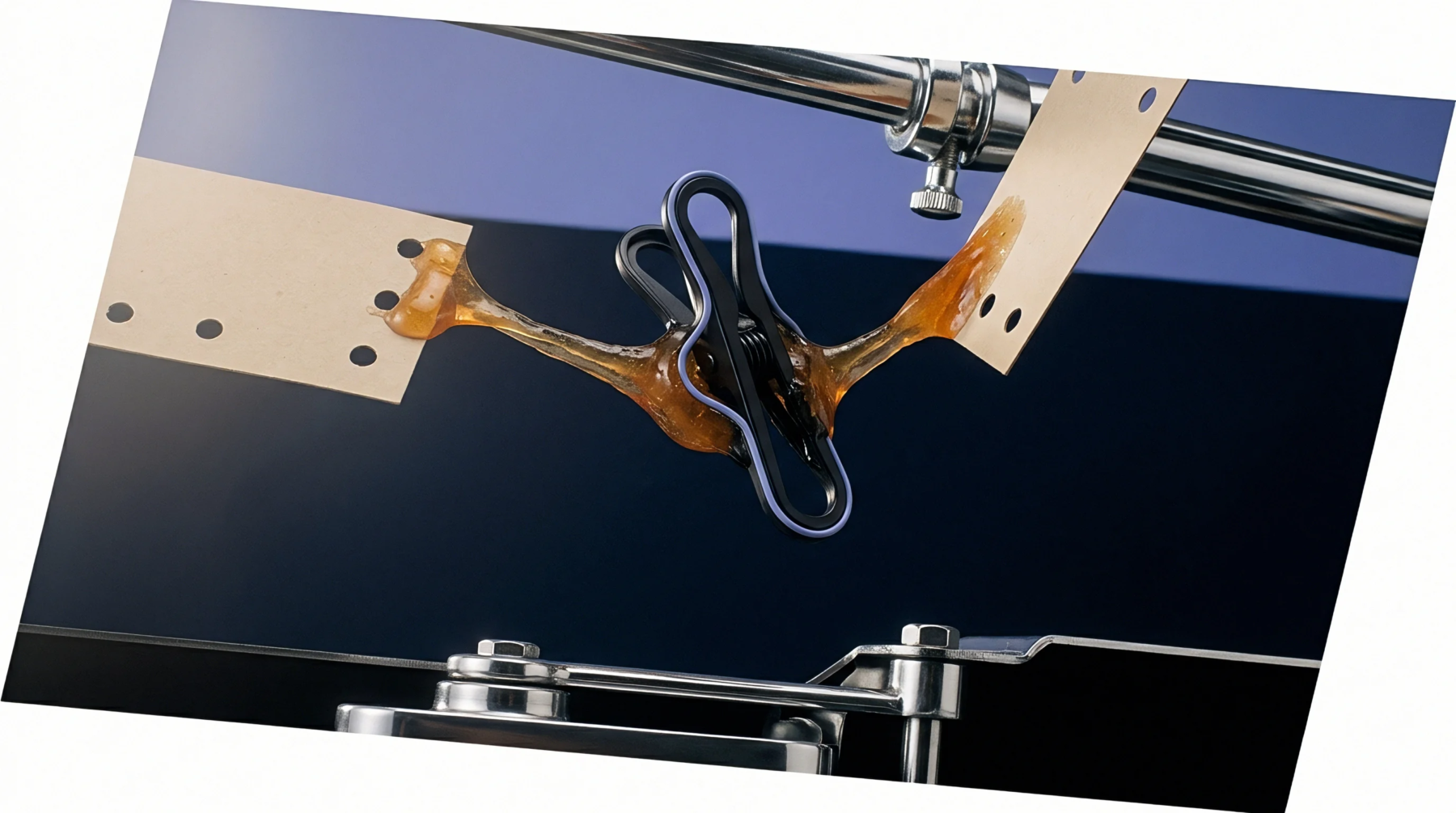
Retted ribbon samples show reduced breaking length when workers pull wet bundles past standard thresholds on a dynamometer.
Enzyme Progression
Chemical pectin breakdown releases organic acids that lower bath pH and accelerate mechanical cell separation. Anaerobic microorganisms consume soluble carbohydrates while generating gas bubbles that rupture fiber bundles under hydrostatic load. Mill supervisors monitor liquor temperature closely because heat spikes increase bacterial metabolism beyond controlled parameters.
Excessive fermentation duration triggers internal fiber splitting before mechanical scutching machinery separates woody core from bast layers.
Export Standard
Finished yarn samples must maintain specific tenacity ratings recorded in the mill inspection certificate before clearing customs for foreign buyers. Buyers reject raw material lots exhibiting uneven degradation because brittle filaments snap during high speed ring spinning frames. Laboratory technicians measure residual gum content using solvent extraction methods to verify retting endpoint consistency across seasonal harvest batches.
Controlled water temperature prevents premature fiber breakdown and guarantees uniform yarn diameter throughout industrial production runs.