
Translating Handloom Fabric Structure into High-Speed Rapier Specifications
Translating handloom weave structures to rapier looms requires increasing yarn twist, sizing cohesion, and thread spacing to survive peak insertion stress.
Translating handloom weave structures to rapier looms requires increasing yarn twist, sizing cohesion, and thread spacing to survive peak insertion stress.
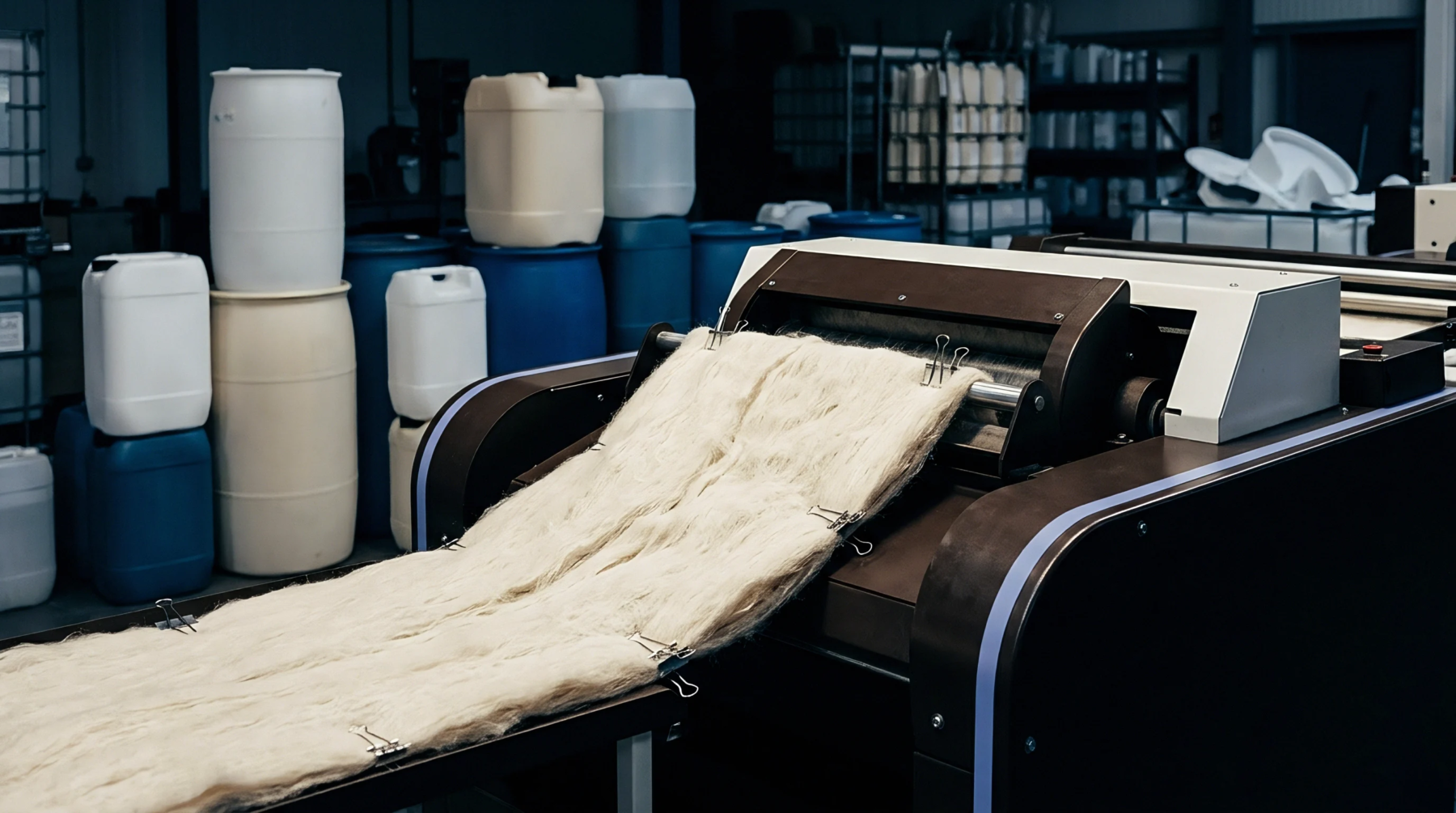
High-density flax weaving contracts require Ashcroft queueing models to adjust loom-hour rates for non-linear machine interference losses.
Fine linen warp break frequencies depend on single-end tenuity, size film flexibility, and shed opening geometry, directly governing loom efficiency and meter cost.

Unplanned linen warp breaks increase loom hour costs through weaver repair delays, reduced speed, and greige set marks that trigger four-point demerit downgrades.
Expertise is a utility, not a secret. sentiention™ publishes its working knowledge as open reference: intelligence layer covering the materials it sources, the markets it enters, and the reference that serves both.