Moisture Kinetics
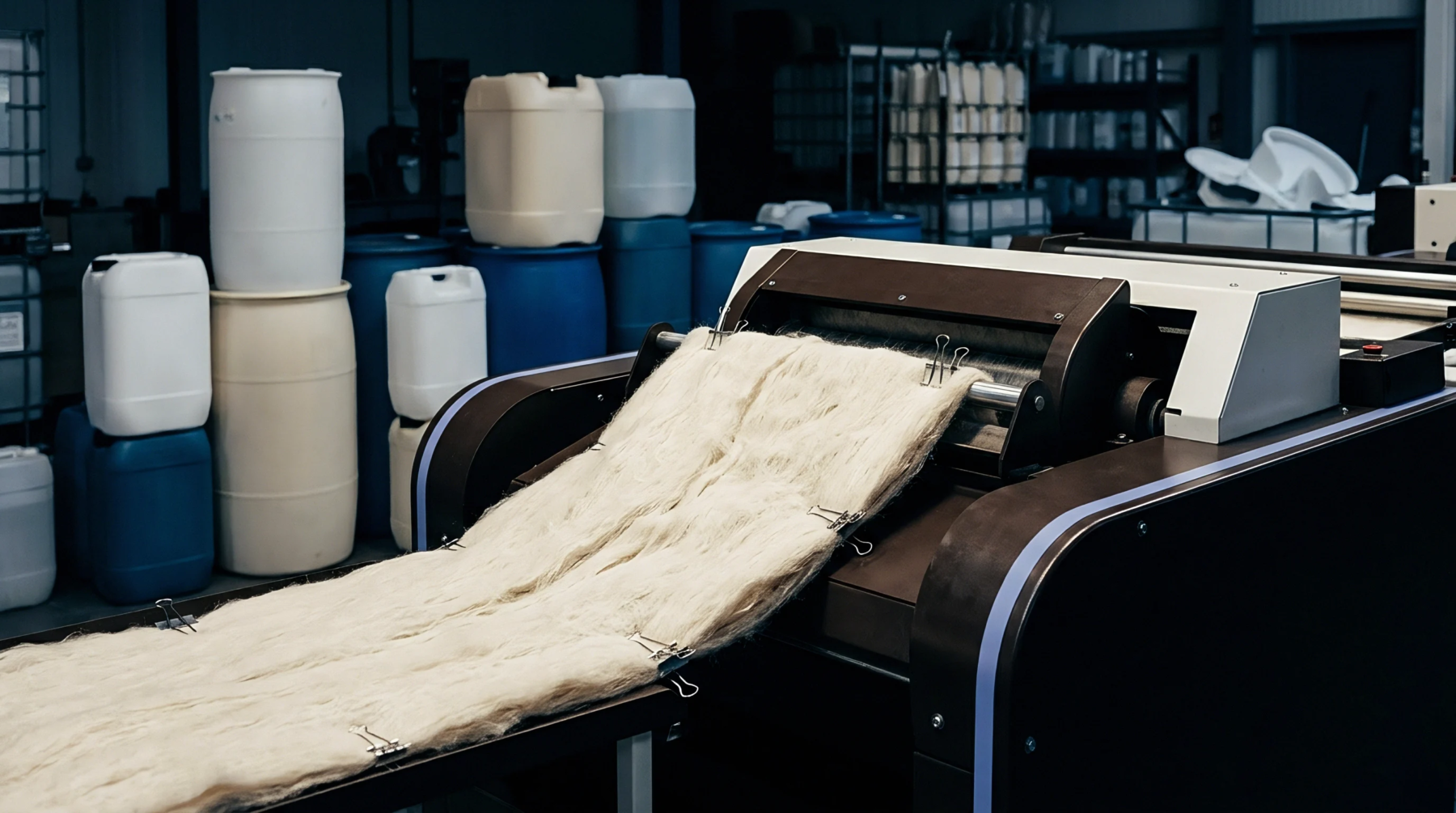
Hygroscopic desorption dynamics govern moisture release from processed flax slivers inside conditioned spinning sheds, regulating fiber flexibility before drafting operations. Ambient relative humidity drops trigger rapid capillary water evacuation from internal cellulose capillaries, altering sliver tensile strength. Chinese mills monitor this drying rate closely through standardized laboratory weight loss logs during pre-spinning conditioning cycles.
Stored moisture content directly influences breaking tenacity, forcing operators to balance ambient vapor pressure against mechanical friction limits.
Thermal Shedding
Evaporative cooling gradients generate localized shrinkage variances along extended linen warp yarns during weaving preparation stages. Infrared heaters accelerate ambient air exchange rates above sizing machines, forcing bound water molecules outward through the cuticle barrier. Loom technicians record these evaporation thresholds inside daily production manifests to prevent uneven yarn elongation.
Excessive heat exposure damages natural pectin bonds, reducing subsequent fabric tear resistance during finishing passes.
Export Stabilization
Equilibrium moisture thresholds dictate final baled linen acceptability under international maritime transport contracts. Consignments undergo standard conditioning chamber tests to verify residual vapor pressure remains below contractual limits before container sealing. Commercial testing certificates document these desorption metrics to prevent mold growth during ocean transit.
Finished cloth grades maintain distinct moisture retention bands that separate domestic retail standards from overseas export specifications.