Mechanical Degradation
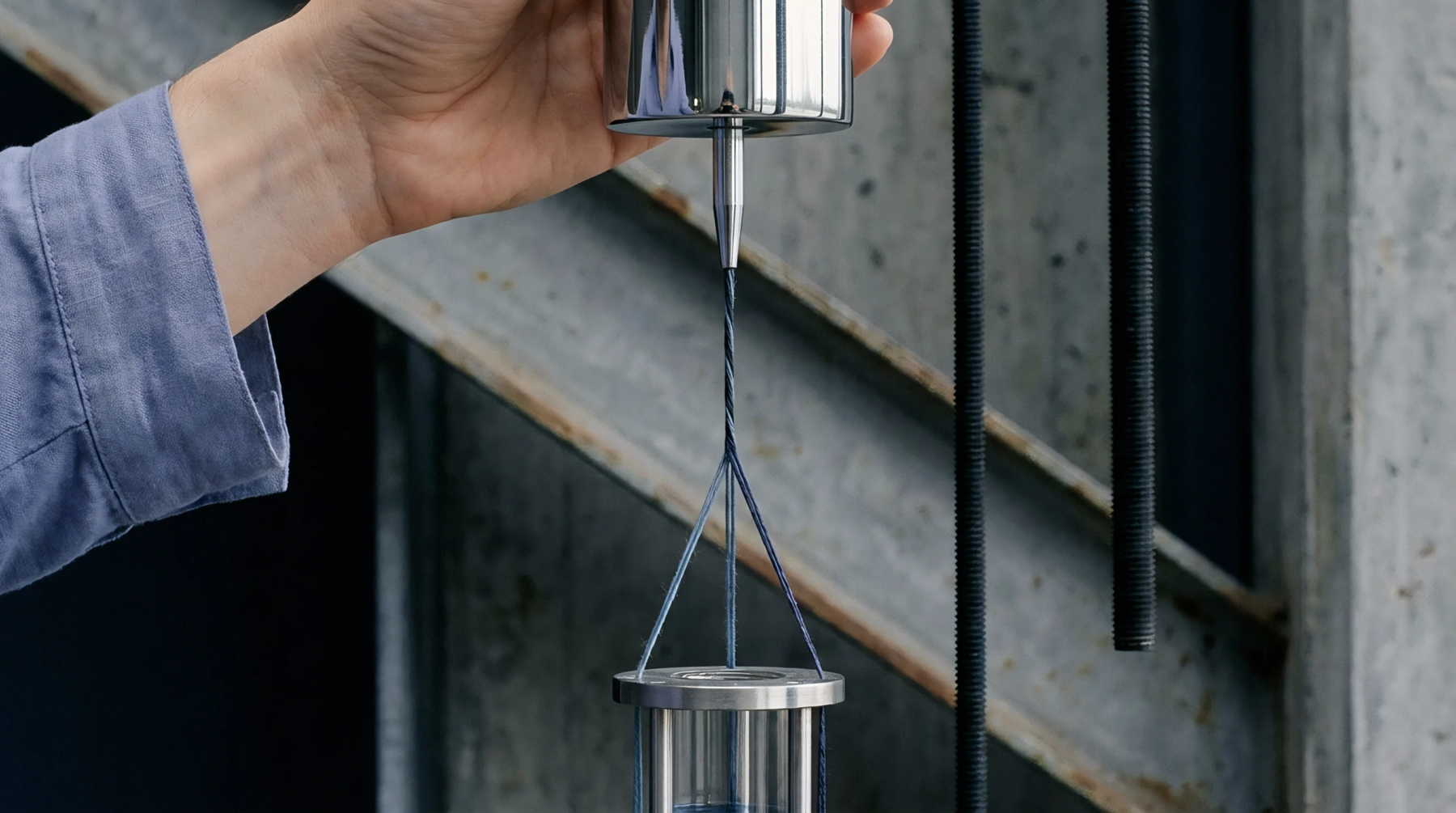
Microscopic damage develops within flax fibres during repeated cyclic loading as internal shear forces fracture the cellular walls. Fiber fatigue failure occurs when these accumulated splits reduce the tensile capacity of the strand below the requirements of high speed industrial spinning frames. This breakdown of the cellulose structure leads to a loss of elasticity and an eventual snapping of the yarn under tension.
Spinning Tolerance
Flax preparation processes include testing for the endurance of raw material before the spinning stage begins. Quality controllers measure the resistance of each lot against standard elongation benchmarks documented in the mill batch records. High levels of fiber fatigue failure in a shipment indicate excessive mechanical stress during prior scutching or hackling operations.
Such compromise prevents the material from maintaining integrity under the sustained strain of automated weaving equipment.
Production Verification
Laboratory analysts monitor the degradation of flax filaments throughout the finishing stage of linen manufacture. Technicians subject sample batches to controlled cyclic cycles that simulate the recurring pressure of mechanical looms to define the upper limit of structural longevity. Acceptance criteria for commercial linen rely on these metrics to predict how a cloth performs during prolonged use.
Excessive breakage rates during the manufacturing sequence suggest that structural weakness results from inadequate moisture control or aggressive processing speeds in the early stages of the supply chain.